



This year marks our 30th anniversary and we are so excited to have a year full of celebrations. Since 1994 we have been supporting anyone affected by pituitary conditions and we will continue to be here for future generations.
We’ve changed a lot in those 30 years, starting from a small group of volunteers and medical professionals. Currently, we have 22 support groups, 2,000 members, and last year alone our helplines have answered over 2,400 phone calls. Today, our cause is still as clear and compelling as ever, to improve care and reduce diagnosis time.
We thank everyone who has supported us during the last 30 years. This is as much a tribute to you as it is to us. We’ve got big ambitions for the next 30 years, and we need your support to reach them.
Some of the actions we will take is starting new support groups, creating more information events for you and visiting 30 endocrine clinics, to raise awareness of our work.
There's lots of ways you can get involved in the celebrations:
- Nominate a Pituitary Hero
- Take on a 30 challenge and raise funds
- Become a member
Please Donate
This year marks our 30th anniversary and we are so excited to have a year full of celebrations. We’ve got big ambitions for the next 30 years, and we need your support to reach them.
We’re asking everyone in our community to get involved with fundraising. You can get involved in any way you like, but we have some ideas already!
Take on a 30 themed challenge to do 30 things to raise money. Maybe you’re going to knit 30 pairs of socks, do 30 acts of kindness, or run 30 miles! It really doesn’t matter what you do as long as you get involved.
We have some ideas of ways to get involved below. Also take a look at our community page, and see how others are raising funds and awareness.
How about getting sponsored to carry out 30 acts of kindness during a month. A great way to spread the love and be as kind as possible – this could really be a great way for children to get involved.
For anyone who enjoys crafty things, why not set yourself a craft challenge. That could be a 24 hour craftathon, knitting 30 items of something, or crafting every day for 30 days. Don’t forget to ask for sponsorship!
Yoga is great for our physical and mental health. You can even make it as easy or challenging as you’d like. How about taking on 30 days of yoga and ask for sponsorship?
Could you refrain from something for 30 days? Maybe stop smoking or drinking alcohol? Give up chocolate, sugar or coffee? If you were to refrain from any of these then it would have a positive impact on your health, and you could ask friends and family to sponsor.
You could even donate the money that you saved!
On the anniversary of your surgery or diagnosis, why not create a Facebook fundraiser to celebrate how far you’ve come in your pituitary journey. It couldn’t be simpler creating Facebook fundraiser. Just select The Pituitary Foundation and share with friends and family.
The perfect opportunity to get together with friends and family. Charge a ticket fee to attend and host a raffle on the evening. If you work for an employer that operates a match funding scheme, then you may even be able to get your fundraising efforts doubled by your company.
Would you have the self-discipline to go an entire 30 hours without talking? It would be quite a challenge, but a great way to fundraise.
Who loves general knowledge? Who’s the music round wizard? Who knows their science facts? You could even add a few unique rounds like a dance off or drawing round. Great fun to host at the local pub, event space or at home. Each team donates to enter.
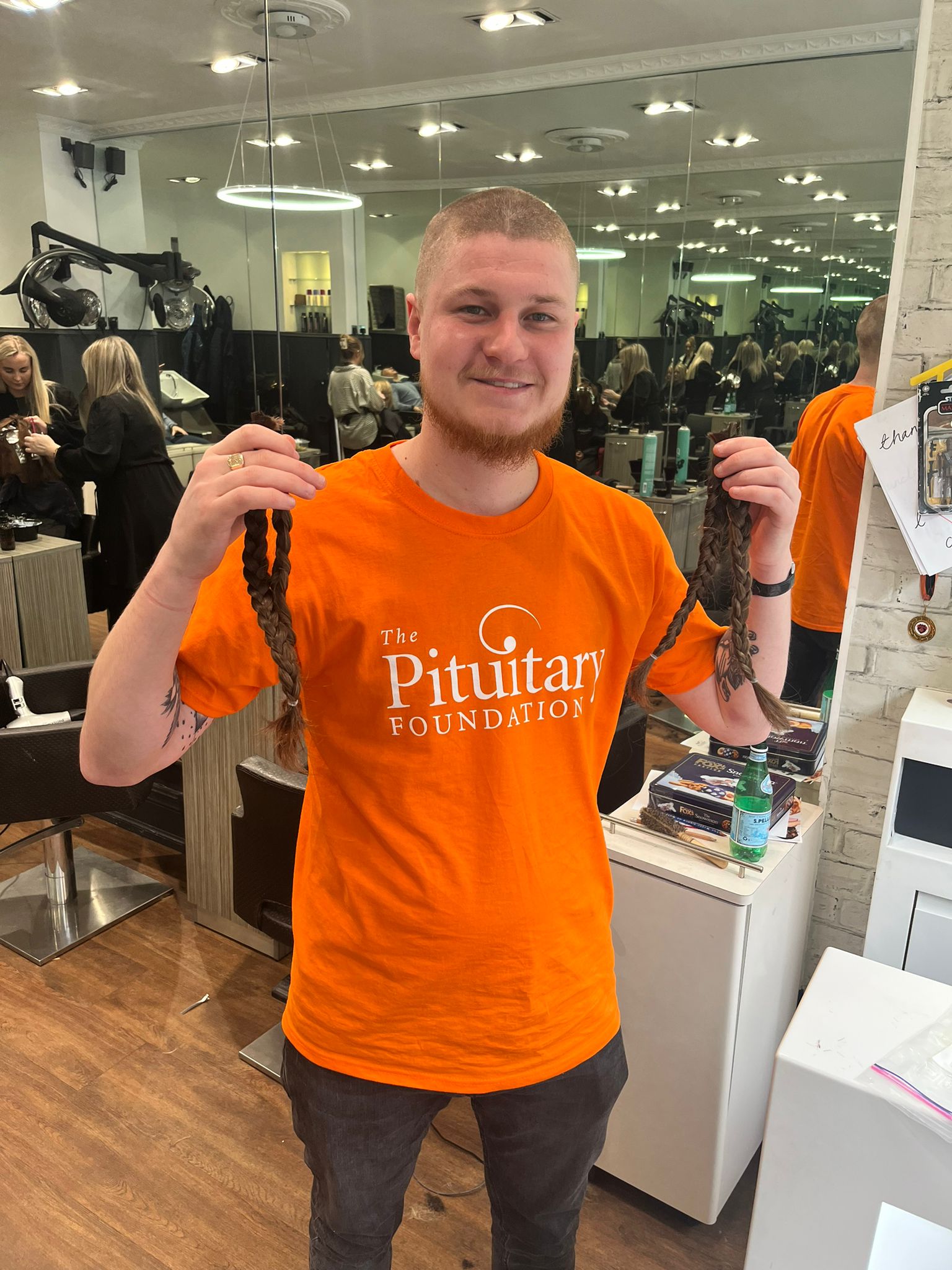
This is a classic and brave fundraising activity: waxing body hair for charity, cutting your hair into a unique hairstyle or maybe shaving it altogether. Ask people to sponsor you for making such a bold decision and maybe record the event too.
Would you be brave enough?
How about 30,000 steps in a week or why not go even bigger by attempting 300,000 steps in a month? This is great one to work into your daily life and get sponsored for.
If you want to work on your swimming ability, why not set yourself a distance challenge? Or you could take 30 cold plunges for a month!
Maybe you are already a runner or want to start, you could take on a running challenge. Just make sure it’s challenging and has a 30 theme!
How about rowing 30,000km at the local gym, this can be done in one go or several attempts. Or you could even do a rowing event where you try to row for 30 hours straight!
Why not go on a 30-mile bike ride, get some friends to join you so that it’s more of a team effort!
If you are taking on a challenge, remember to let us know, as we are always happy to support in any way we can. You can email us [email protected], or give our office a call 0117 370 1333.
Below are the people who are taking part in fundraising for our 30th year! Find out about their achievements, and get inspired to take on your own fundraising. If you would like to be featured on this page, please scroll to the bottom of this page where you can find out more.
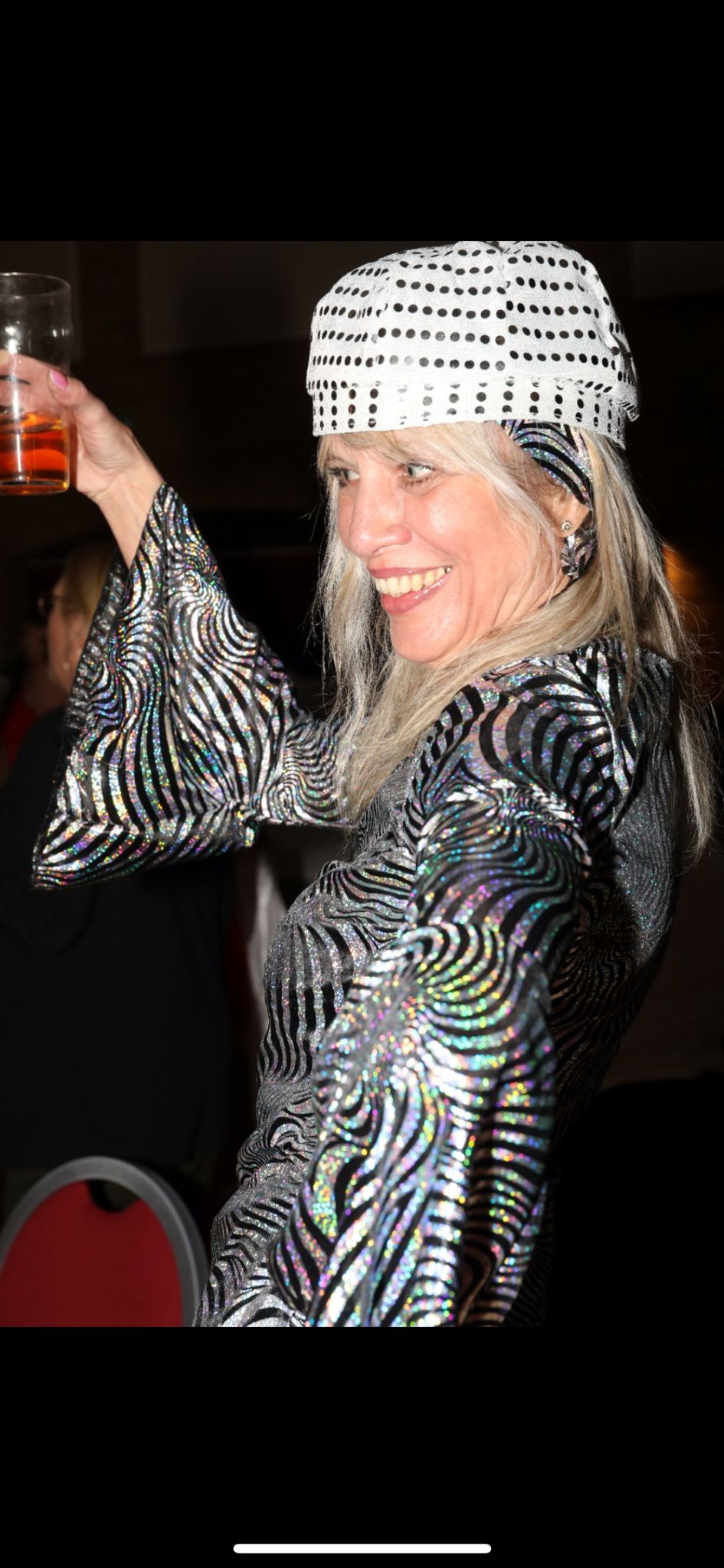
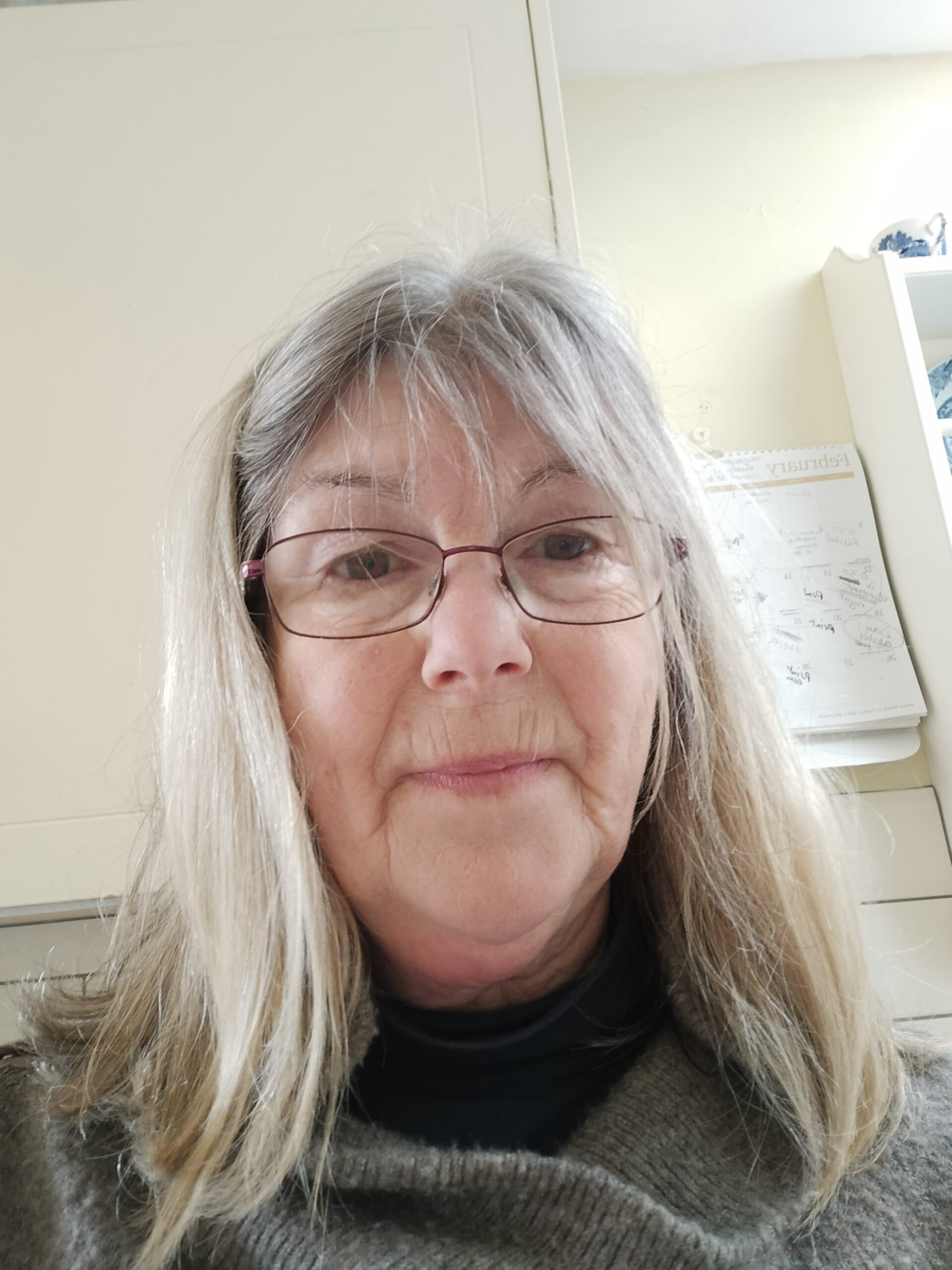
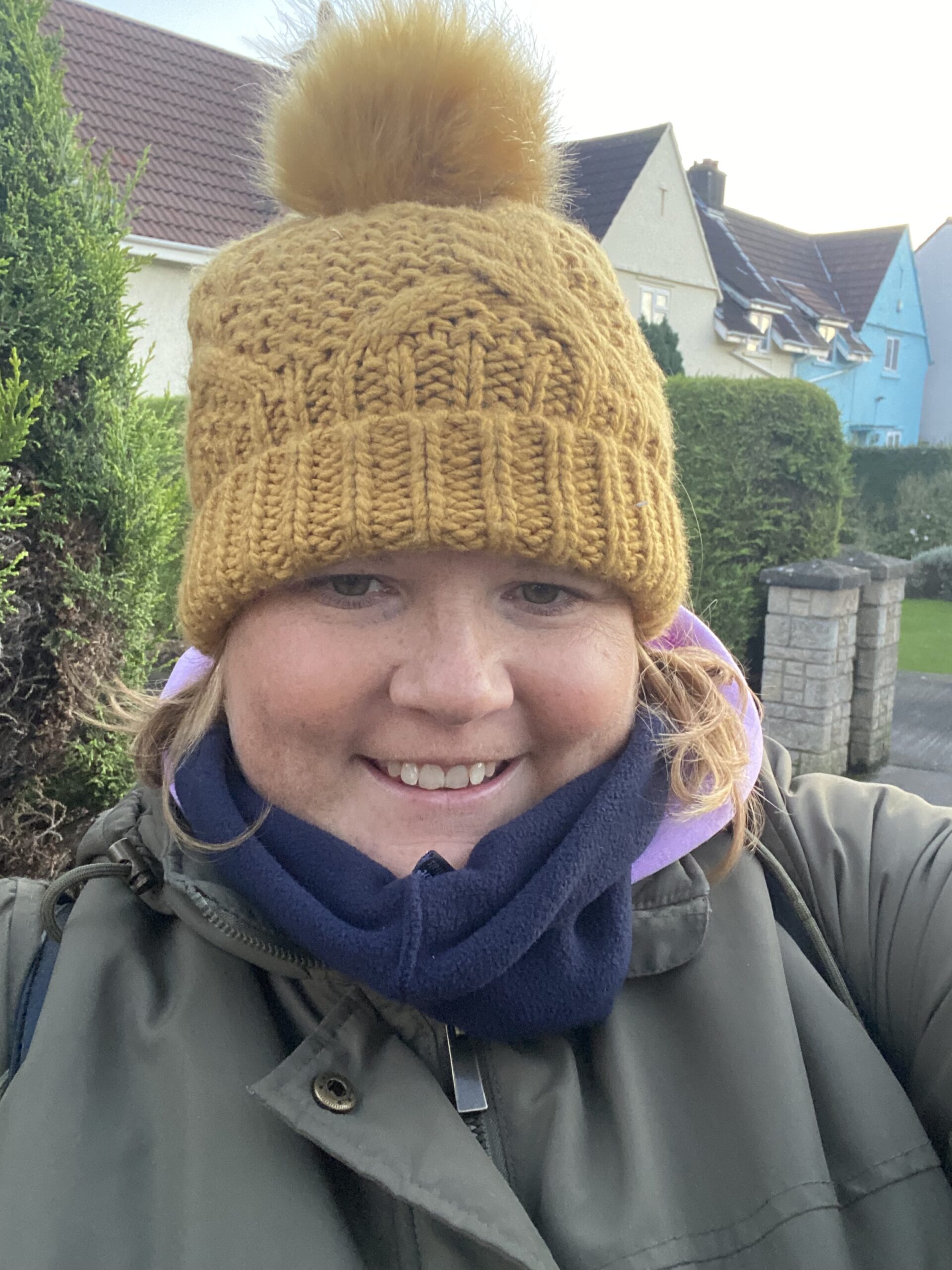
Nicola
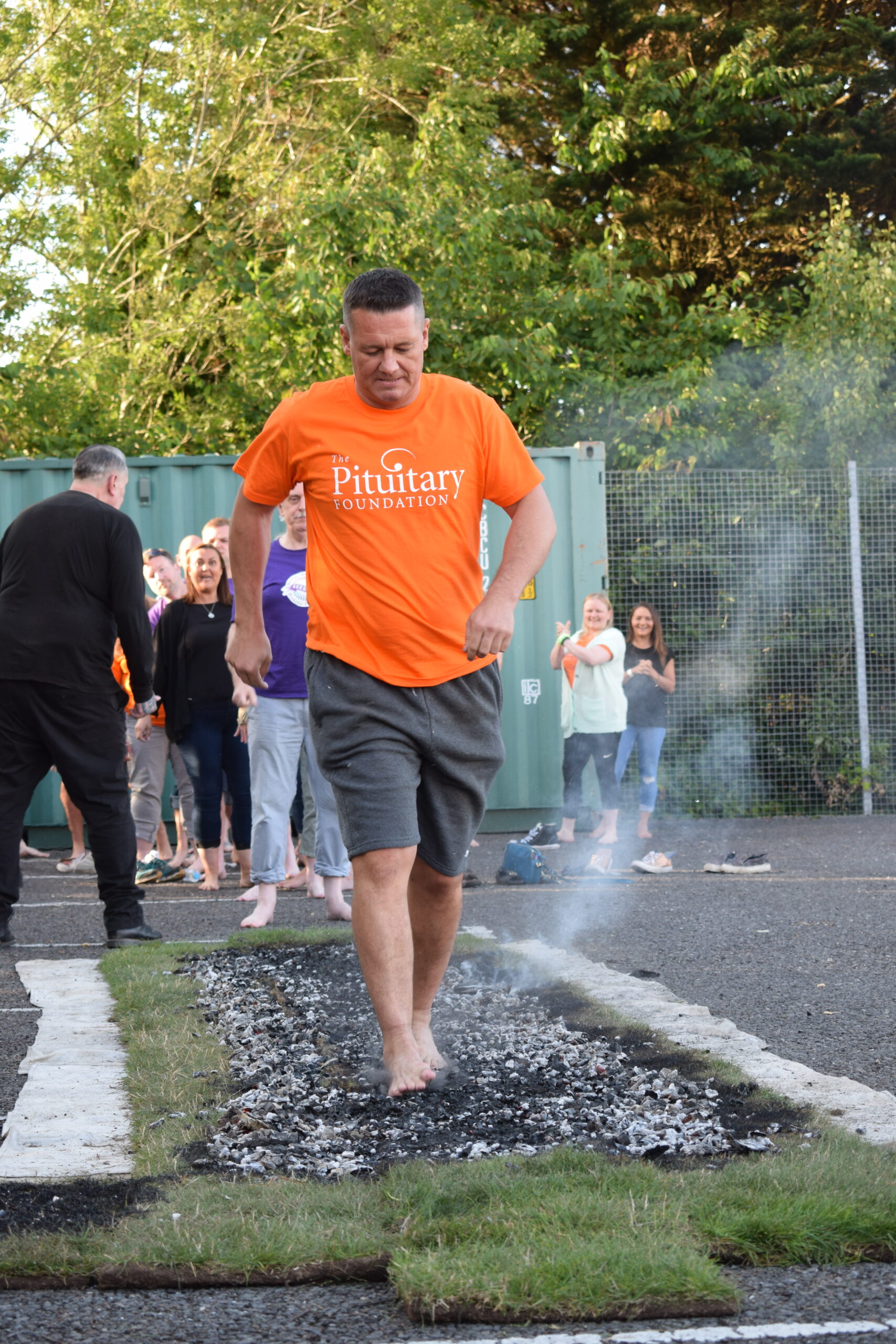
Nicola raised £230 by doing a sponsored walk this past March. She set a goal of 30,000 steps and ended up walking 88,750 steps! She also raised funds by knitting baby outfits.
The following people have kindly donated £30 or more as part of our 30th anniversary appeal: Anna Crown, Deborah Cooper, Alison Milne, Sue Jackson, Phil Rouse, Stafford Lightman, Shirley Davis, Peter Terry, Pamela Shrimpton, Colette Harris, Clive Lingard, Javir Sigh, Vivienne Cox, Jeanette Curran, Ruth Carter, A. J. Wootton, Sharon Smith, Howard Sutton, Andrew Dogherty, Peter Cork, Joanne Megginson, Anne Tombs, Frances Avery, Patricia Bolton, Sheila Hutchinson, Paul Harold Burgan, Michèle Levy, Nich Lake, Tim Greenhill, Michael Crisp, Emma Reilly, Caleb Parker, Simon Hancox, Tony Gamble, Dennis Moxlow, Neale Salt, Ian Warne, Nicholas Jardine, Margaret Matthews, Anne Henderson, David Holmes, Robert Gore, Nicola Davies.
Your anniversaries:
Denise - "This year I'll be celebrating 50 years since my last radiotherapy. I understand my life expectation was just 18 months. Currently I've had 47 years..."
Jordan - "I was diagnosed with a pituitary tumour when I was 11 at the end of July 2002; 3 days before the end of year 5 when i was transferred to great Ormond street for treatment. A particular song that I remember singing and dancing to with the nurses was 'Any One Of Us' by Gareth Gates. It was just after he came second on pop idol and i was in love with him. This song means so much because it reminds me of being in my bed with my walkman on, blasting that tune on repeat and the nurses dancing and singing with me, made me smile and laugh and distracted me from what was actually going on. I am 31 now and am well in the routine of living life with a pituitary condition but this memory still sits in my heart like it was yesterday."
James - "I was told I had a pituitary adenoma on 15 December 2016. After a rollercoaster of emotions, my wife and I went out for a comforting fish and chips dinner at one of our favourite eateries by the harbourside at Eyemouth in the Scottish Borders. We parked on the quay facing the harbour. Upon finishing our meal, we came out to find the tide had started to come in and the boats were now sitting higher – this revealed ‘Fear Not’ was the vessel directly in front of our car. I took this as a reassuring sign…"
Annabel - "My pituitary anniversary is 40 years since I had my operation. Easter 1984 the tumour was removed, just before my o-level exams, so 10 years before the Foundation existed! I became a member early on, although didn't realise at the time how new the charity was. Thanks for all your help over the years."
Paul - "My diagnosis for panhypopituitarism and diabetes insipidus was September 1999. Favourite songs: Morning has broken by Cat Steven (1971) and New York City Boys by Pet Shop Boys (1999)."
Mark - "Music is so personal to me and I can’t remember much with my memory troubles but what song was playing at a particular time really sticks with me. My diagnosis was 3 August 1995 and my operation was 9 August 1995. The song that was playing when I was in hospital that sticks is I'll Be There for You (theme from Friends) by The Rembrandts. I know the lines “When it hasn't been your day, your week, your month, or even your year” and the “I'll be there for you” lines meant a lot with my mother and brother watching over me as much as permissible in Great Ormond Street at the time! And also with The Pituitary Foundation there for me since I was introduced to you in early 1996 by MedicAlert."
Tim - "My pituitary anniversary is 26th March 2000. The music that helped me during this time was Mozart's 'Adagio'. I found it very helpful and calming during that difficult time in my life."
Lisa - "Tumour removed on 15th July 1985. There must be an angel by Eurythmics was my memorable song which I was singing going up in the lift to my op! Live Aid had been on TV the weekend before but I was too nervous to watch it or think about anything! This date reminds me how far I've come, how much I've learnt and how much I've been through medically."
If you would like to feature on this page, then please complete the form below telling us about your fundraising efforts. If you meet our criteria, we will share your name and picture. Alternatively, you can email [email protected].
Feature on this page
As part of our 30th anniversary we asked for nominations from our community to share their pituitary heroes: people who have gone above and beyond for the pituitary community.
We received 70 nominations and our panel of judges then chose our 30 heroes. It was tough to decide as there were many incredible nominees. Our Pituitary Heroes are the people that have given an exceptional contribution to the pituitary community or are working to create a better future. Through this campaign, we want to thank them and celebrate them!
We will be sharing details about each of the 30 heroes throughout the rest of our 30th year. You can read their stories below, or follow us on social media to find out more!
Click on the heroes names to read more about them and their full story.
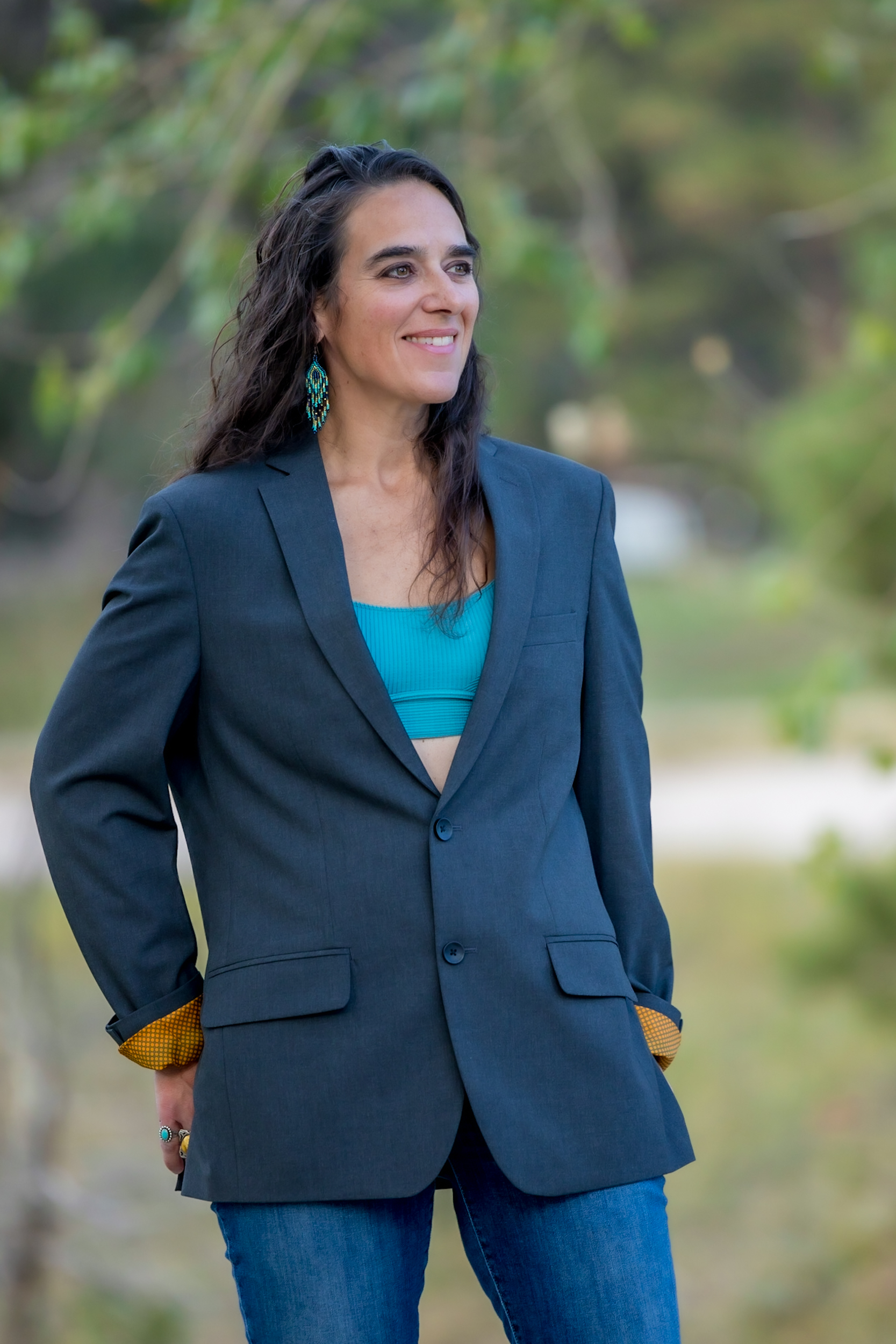
Risa August
Risa published a book, “The Road Unpaved”, sharing her personal journey with acromegaly. Through her book and cycling trail of 1,845 miles down the Pacific coast of the US, she contributed to raise awareness about pituitary tumours and inspired many others affected by pituitary conditions.
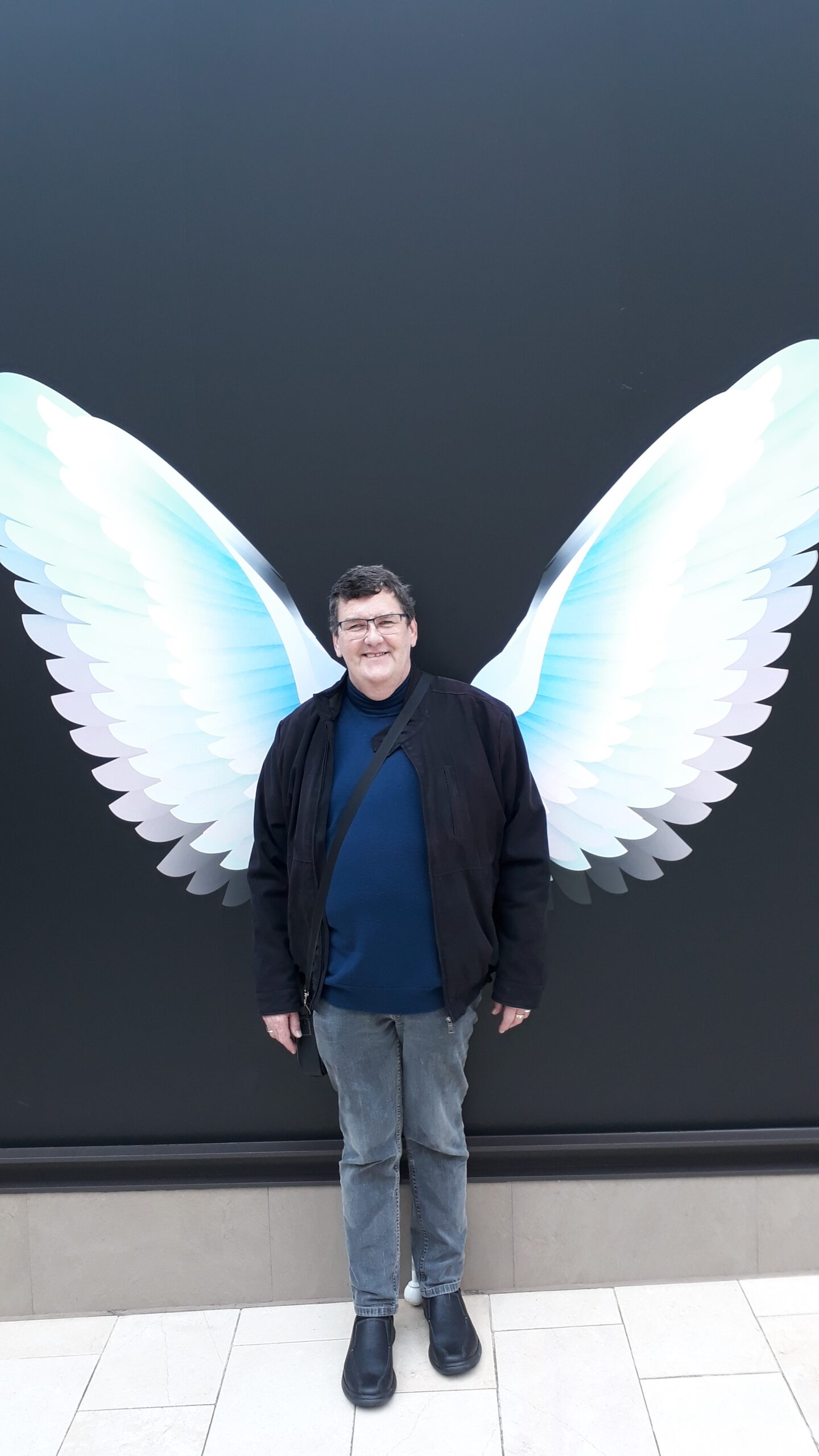
Peter O'Malley
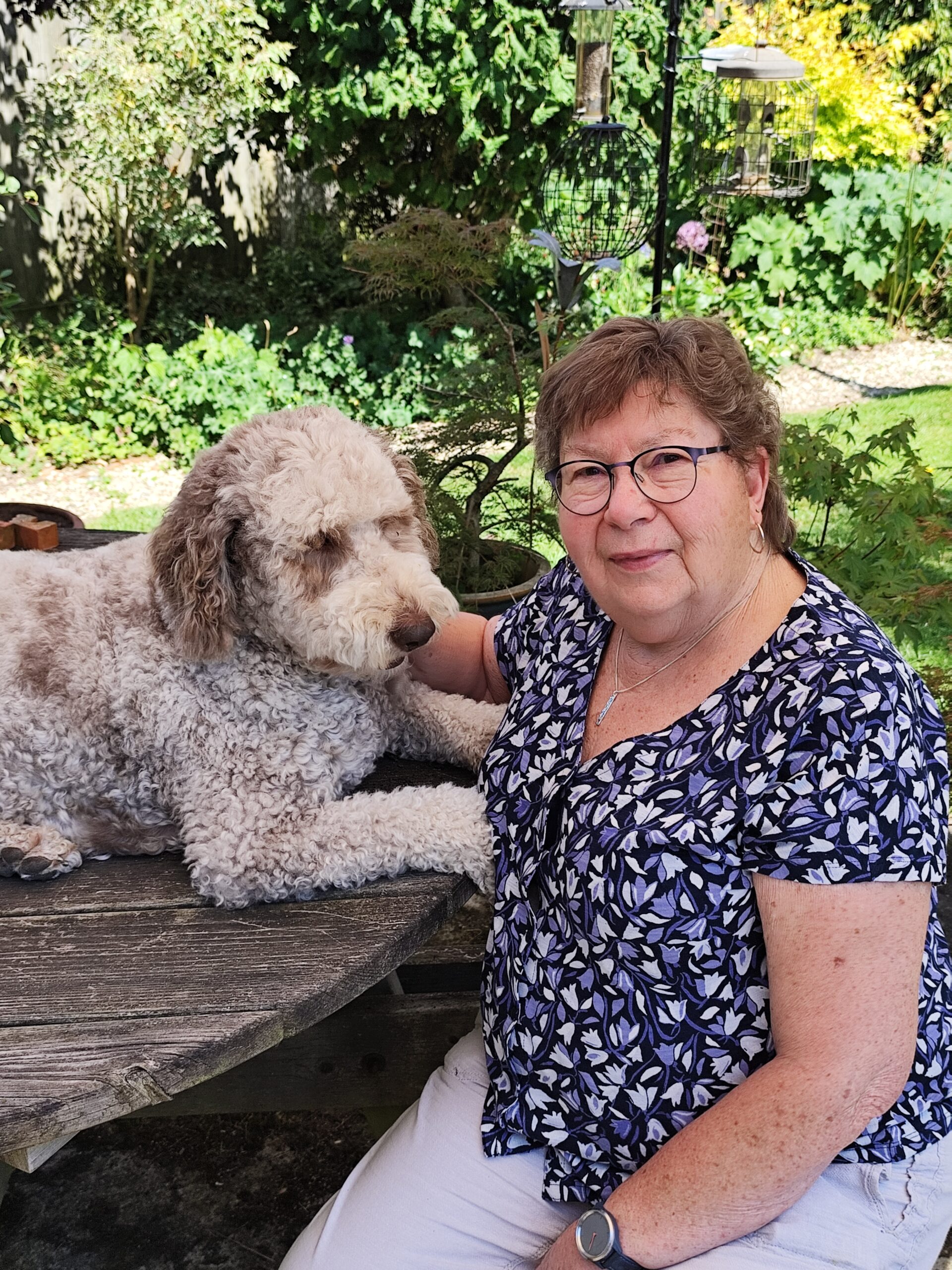
Peter shares his story of being diagnosed with a pituitary tumour at age fourteen and how this has affected his adult life, while learning from his experience not to give up but stay positive and keep going. Peter has been a volunteer for our helpline for many years, being there to listen and support others affected by a pituitary condition.
Robert Brady
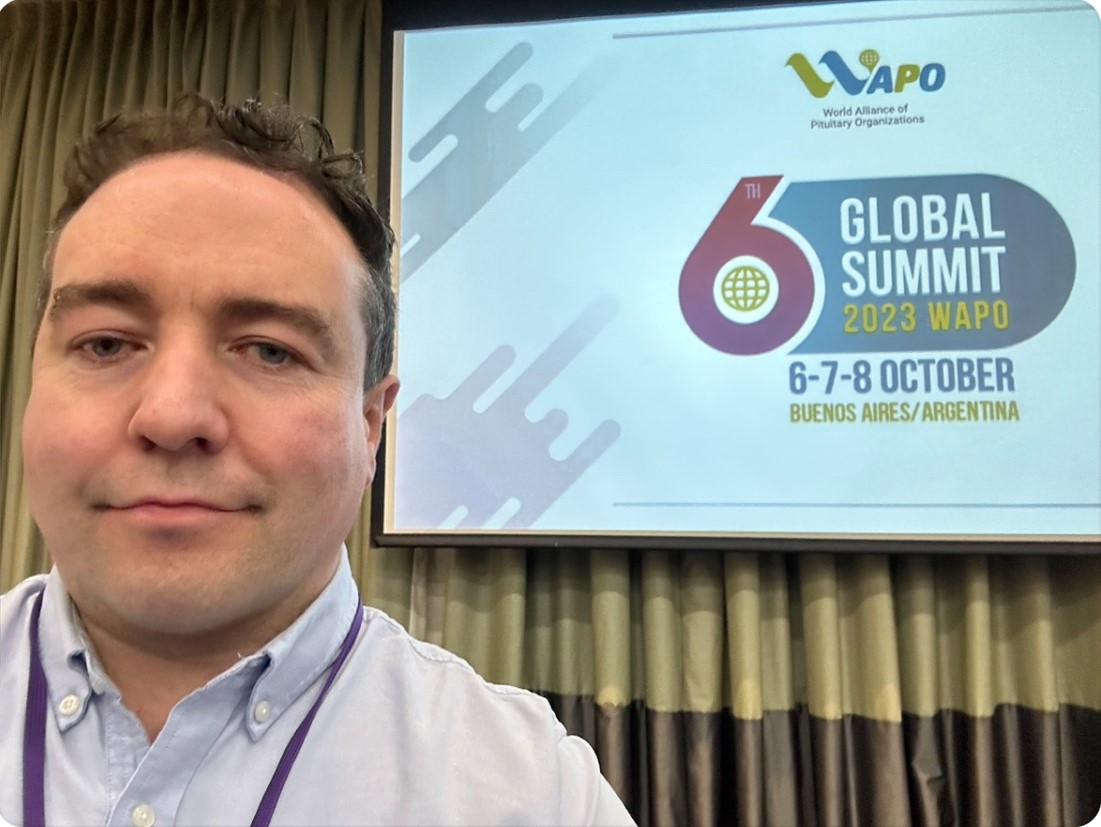
Robert is a Volunteer area coordinator for the Ireland support Group in January 2015. He connects and offers support to all newly diagnosed patients and his work has highly contributed to the awareness and support available to people in Ireland, which was previously not as wide as the UK one.
Hannah Mai
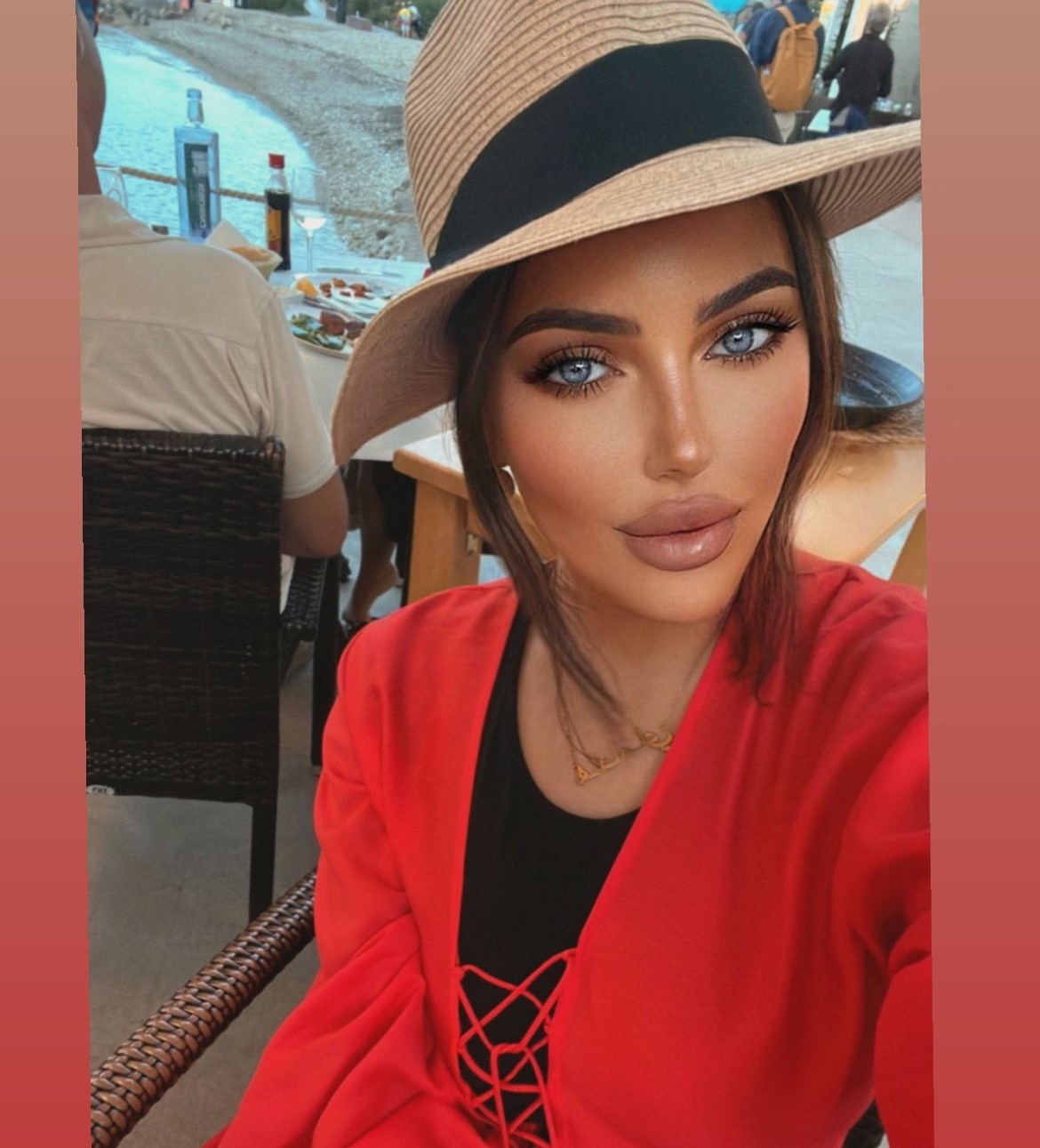
Hannah, while battling with her own health issues, has started the Coventry support group and successfully managed to offer others a safe place to meet, connect and find support. She presented her own story on multiple platforms and events, contributing to raising awareness and inspiring many other people.
Sue Jackson
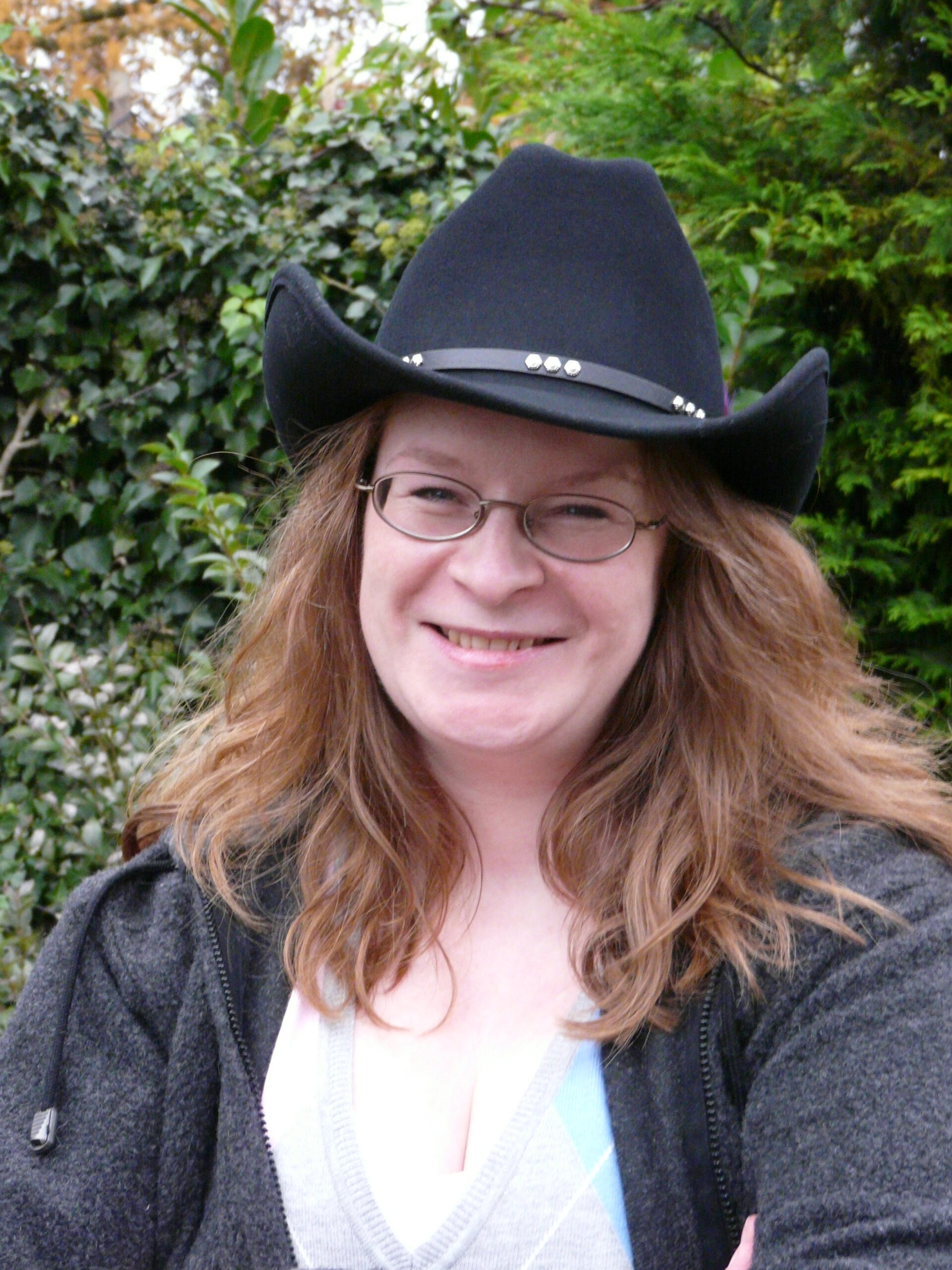
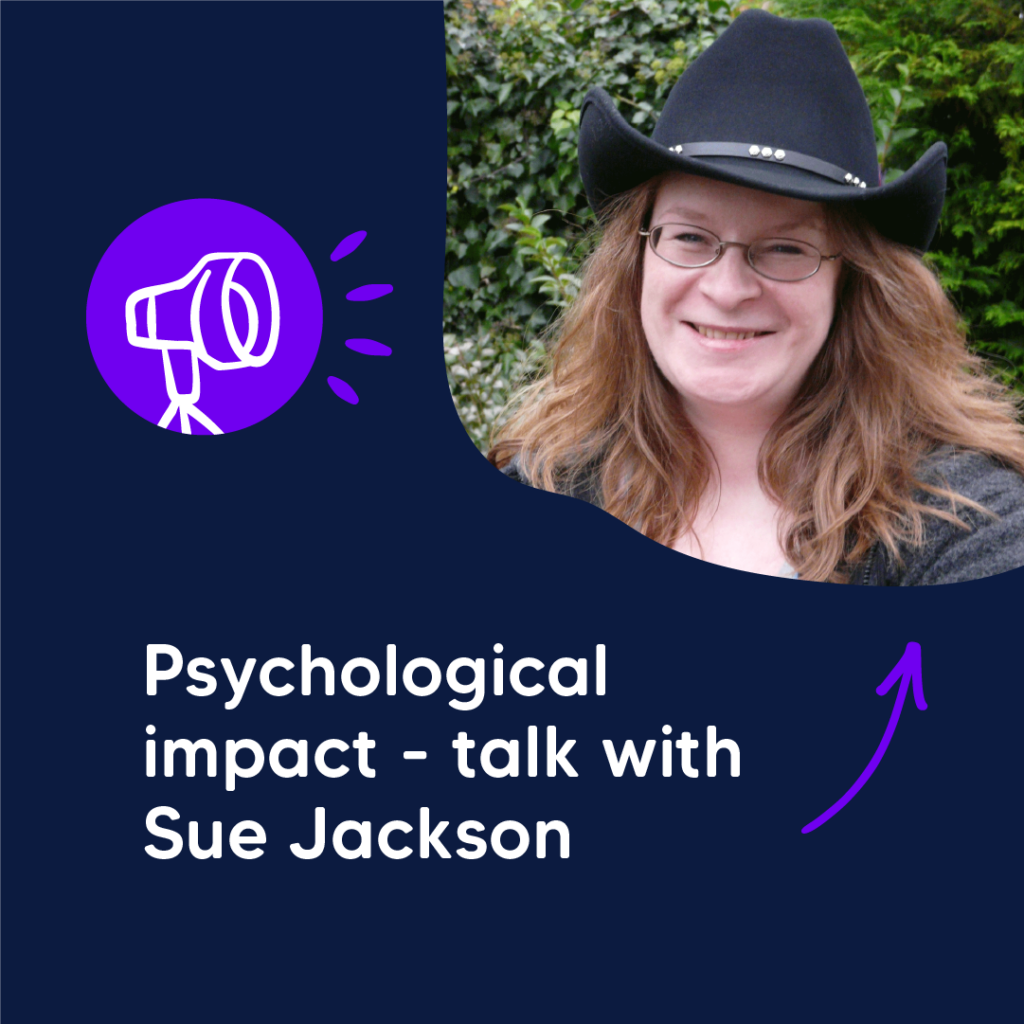
Sue is a chartered psychologist with a special interest in pituitary conditions. She has spoken at multiple online events for our Foundations, she has been heavily involved in research and she has written articles for our magazine, the Pituitary Life, thus contributing to spreading information amongst our community.
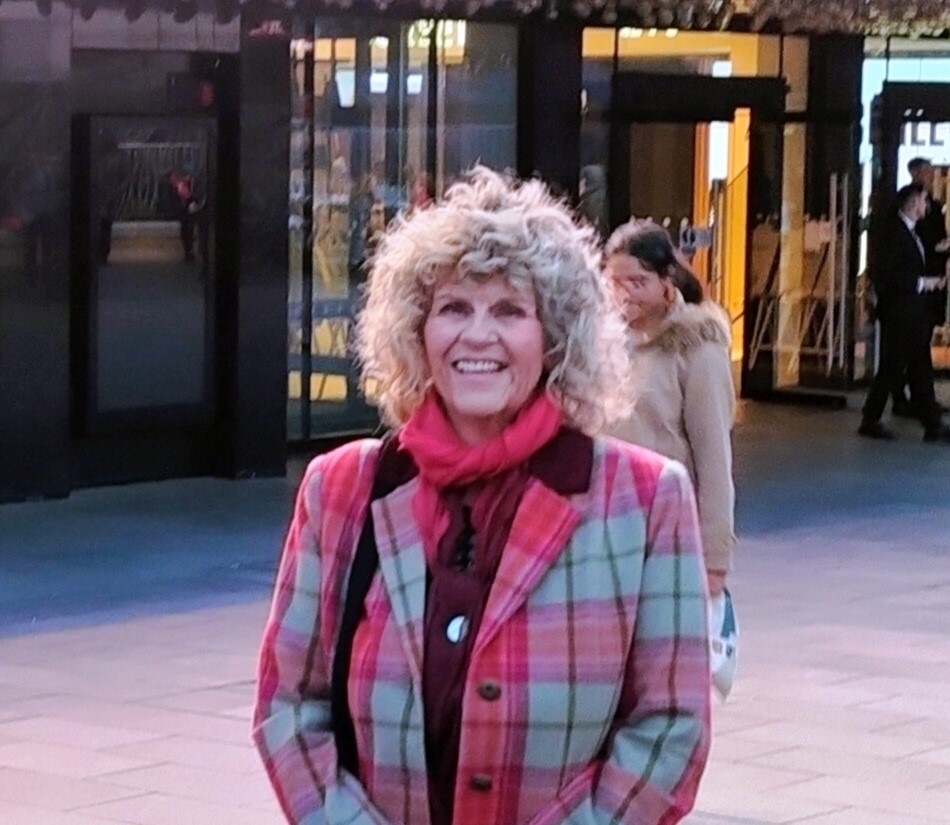
Gail Weingartner
Gail has been involved in our Foundation for over 30 years. She has helped create our support groups as we know them today, and she still volunteers as a local support group co-ordinator. Her passion and constant support have helped many others affected by a pituitary condition who had been recently diagnosed and did not know where to turn to.
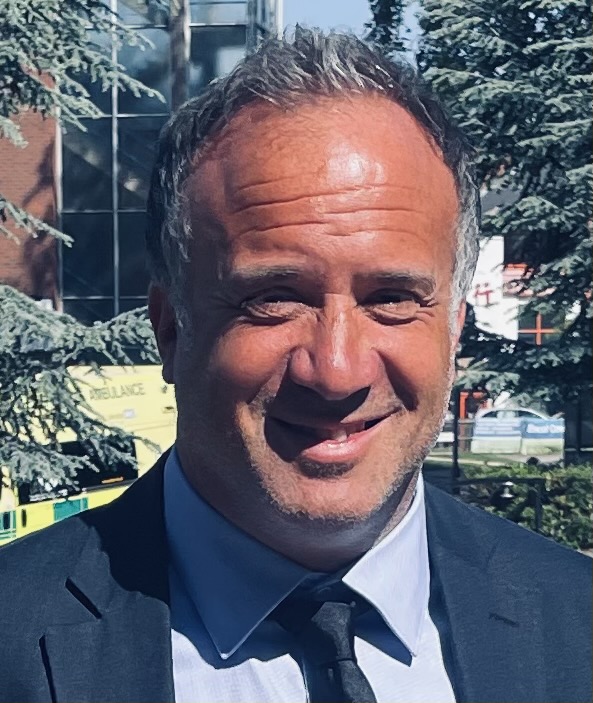
Miles Levy
Miles Levy is a consultant endocrinologist and Honorary Professor of Clinical Endocrinology at the University of Leicester Hospitals NHS Trust. He has led the initiative to change the name of Diabetes Insipidus to AVP-Deficiency around the world. His research interests include the pituitary and adrenal gland, and genetics of endocrine tumours.
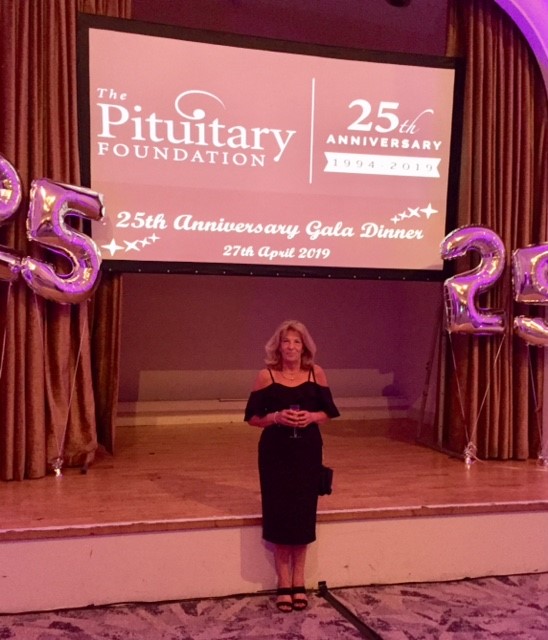
Pat McBride
Pat has been with the Foundation since 1999. While being a patient herself at the same time, she has worked tirelessly at the Foundation, providing information to newly diagnosed members, being on the helpline and running the Liverpool pit pat group. She is known to many, in the field of Endocrinology, volunteers, patients and corporate companies.
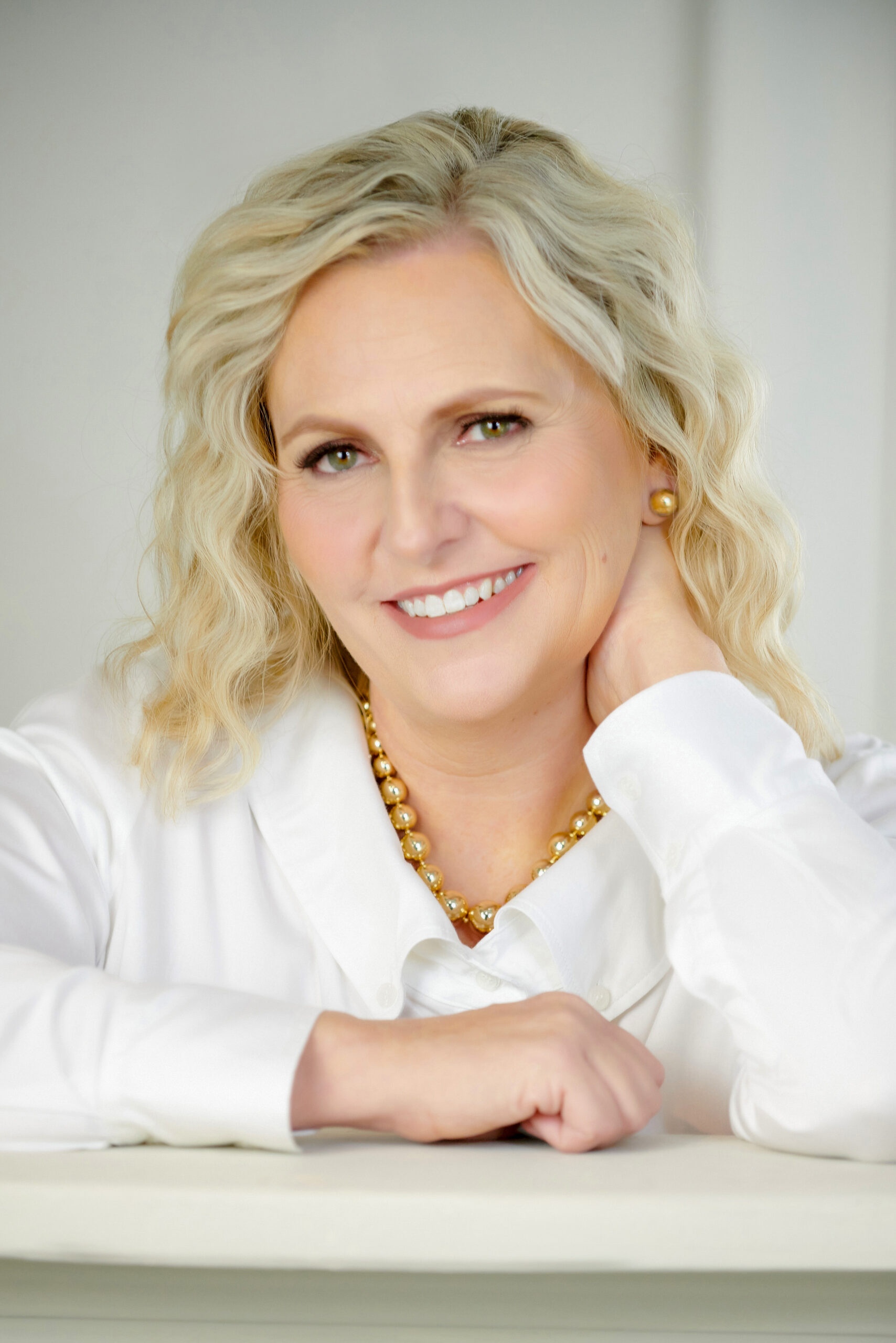
Marie Conley
Marie is the leader of a support group for patients with Cushing’s and s the founder of the Conley Cushing’s fund. She shares her story of Cushing’s Disease with humor and resilience, advocating for early diagnosis and supporting patients through her foundation and board positions. She has helped bringing together and supporting people with Cushing’s and she is a strong advocate for those with the disease.
Steve Harris
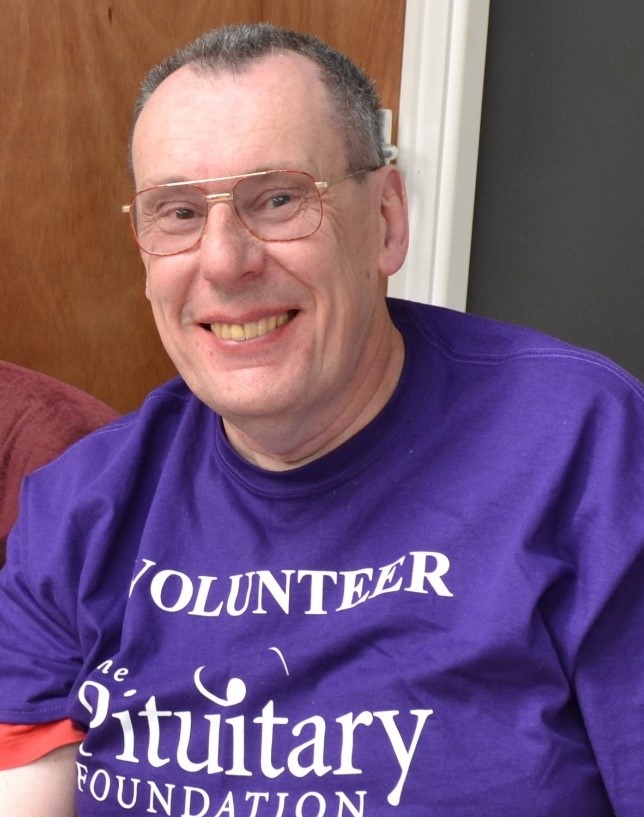
Steve initiated the Birmingham Pituitary Patient Support Group back in 1995 and headed this very successfully for many years. He has been a Telephone Buddy, proof reader, given website support, taken part in training events, spoken as an ‘expert patient’, attended professional medical seminars and conferences on behalf of the Foundation.
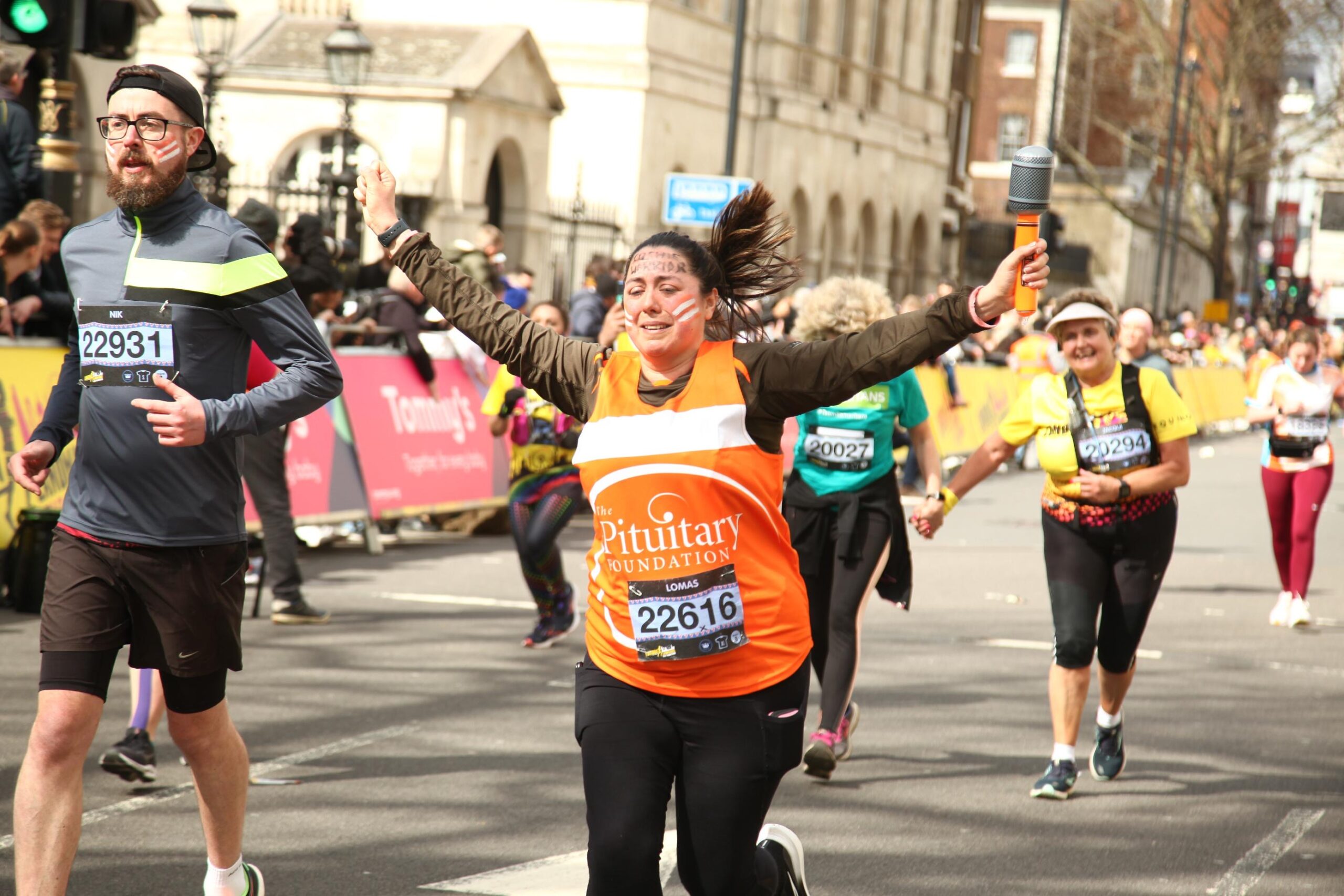
Regardless of sex, prolactin is a hormone that is present in every body and plays a significant role in producing milk. A prolactinoma is a prolactin-producing tumour on the pituitary gland. This is the most common pituitary condition, and can have life changing impacts on fertility and wellbeing.
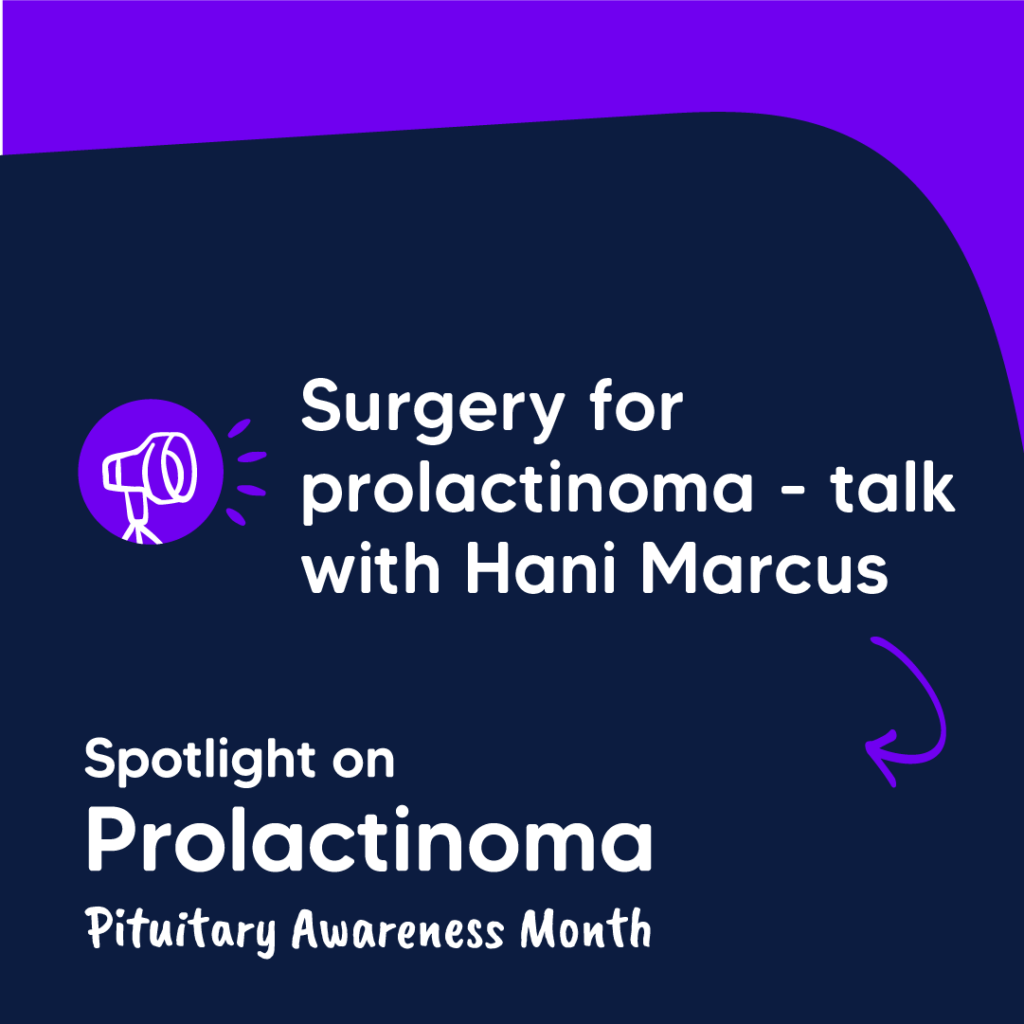
Throughout October in 2023, we shined a spotlight on prolactinoma by increasing awareness about the impact of prolactin and prolactinoma, sharing up-to-date information and connect people living with high prolactin levels with experts and one another.
We hosted seven online events for people with prolactinoma and their support networks to learn more about prolactin and prolactinoma. Additionally, we hosted a Prolactinoma Support Group Meeting to exchange experiences and a Q&A session specifically for men with prolactinoma, as their journey often looks different to women. In total, over 130 people attended these events, asked questions and shared their personal stories.
Around 90% of attendees thought the events were good or excellent and increased their knowledge of the subject. We are pleased to have held a session specifically for men with a prolactinoma, as often their experience can be different to others.
On social media we shared information and stories about people living with prolactinoma and these were seen over 88,000 times. The website pages for prolactinoma were also viewed 42% more than a normal month.
If you would like to watch the talks for Pituitary Awareness Month, please visit our YouTube channel.
About Prolactinoma
A prolactinoma is the name given to a prolactin-producing tumour on the pituitary gland. This is a benign tumour, and not a brain tumour or cancer. A prolactinoma causes raised prolactin. This hormone stimulates milk production after childbirth, but is also present in men.
Symptoms vary depending on a person’s sex and can include:
- Loss of periods
- Reduced interest in sex
- Vaginal dryness
- Infertility
- Excess breast milk production
- Difficulty getting an erection
- Headaches
- Visual problems
Once diagnosed through blood tests and scans, a prolactinoma can be treated usually through medication. Surgery can be a treatment method to remove the prolactinoma, although this is less common.
During Pituitary Awareness Month, we shared materials and information about the symptoms, diagnosis and treatments of prolactinoma throughout.
Together, we can make a difference by increasing understanding and support for those affected by prolactin-related conditions within the pituitary community.
A history of campaigning
For over 30 years The Pituitary Foundation has been working to raise awareness and bring about change in policy to improve experiences for pituitary patients and their families.
Foundation staff speak out for pituitary patients in the many rare disease networks we are involved with. This includes:
- Clinical Reference Group in England
- Welsh Cross Party Group for Rare Diseases
- Specialised Health Care Alliance
The Foundation keeps up to date by making sure we are aware of policy decisions that we should respond to on behalf of pituitary patients.
We follow the activities of government's policy work, NICE, relevant cross party groups, charity sector organisations' e-bulletins, health boards, other endocrine based organisations, and commissioning bodies.
Some campaigns we are particularly proud of include:
Response to the new Rare Disease Framework
On Saturday 9 January 2021, the UK Government published a new UK Rare Diseases Framework. This document sets out the underpinning themes and priorities for the next five years that must be acted upon if the lives of people with rare diseases are to improve.
NICE Consultations
The Pituitary Foundation registered as a Stakeholder with NICE (National Institute for Health and Care Excellence) in 2017. As a registered stakeholder, we are included on the list of stakeholders when NICE guidelines are being developed. As stakeholders, we are notified when current guidelines are to be updated, and invited to submit comments for consideration in the updated guidelines.
Since 2017, as an organisation we have submitted comments in relation to topics which we consider to be relevant to our pituitary community.
THINK - Adrenal Insufficiency
In 2017 we worked with University Hospitals Bristol NHS Foundation Trust, to encourage all hospitals to have a protocol in place for managing patients with adrenal insufficiency.
Know your insipidus from your mellitus
Our summer 2016 awareness campaign highlighted the importance of desmopressin being a lifesaving medication, and how it is vital not to confuse diabetes insipidus with diabetes mellitus because they have different causes and very different treatments.
Adrenal crisis e-learning module campaign
In 2016, our spring campaign increased the use of the adrenal crisis e-learning modules by ambulance staff, which was developed by North West England Ambulance Service.
Save Our Loos
Pituitary conditions like AVP deficiency (previously diabetes insipidus) can lead to isolation due to patients having to avoid leaving the house to manage symptoms. The Foundation ran a campaign in 2015 where supporters wrote to their local councillor, signed petitions and spread awareness of DI.
Pituitary tumour v brain tumour
The Pituitary Foundation supports the position that pituitary tumours are not brain tumours.
There is a great deal of debate on this subject and we understand that for many pituitary patients the distinction is an important one.
Our medical committee lead our understanding of endocrinology. They are clear that while the pituitary is in close proximity to the brain, it is not part of the brain.
Price hikes of medicines
The Pituitary Foundation does not condone nor support price hikes relating to any medicines. The costs of medicines are of concern to patients and the NHS alike, and there needs to be robust governance around the pricing of medicines.
The Pituitary Foundation also supports awareness being raised around price hikes of medicines so that governance can be improved. We feel that fair pricing of medicines is important to ensure patients have access to the medicines they need.
Unjust price hikes have damaging consequences to the NHS and cause stress to patients who can see there may be difficulties in continuing to receive an essential medication that they rely on.
Personal campaigns and individual circumstances
The Pituitary Foundation cannot support nor take on any personal awareness campaigns within the NHS, other government agencies, or amongst the general public.
We cannot provide individualised case management for patients or family members.
We cannot intervene in any circumstance faced by individual members of our community with anyone, including employers and medical professionals. Nor can we assist members with procuring medical appointments or tests and we cannot evaluate cases and provide expert diagnosis or treatment advice.
Pituitary conditions and ME/Chronic Fatigue Syndrome
For patients with ME or CFS, some of the symptoms they might experience can be non-specific, similarly to symptoms found in pituitary conditions. The reality is that pituitary conditions are relatively rare and there is no conclusive research to indicate a prevalence of pituitary conditions amongst those with ME or CFS. The Pituitary Foundation suggests ME or CFS patients who believe they have a pituitary condition should see their GP to discuss their symptoms and ask for blood tests relating to pituitary function.
Complementary and alternative therapies
The terms complementary and alternative therapies refer to a diverse group of practices and products not considered part of evidence based, conventional medicine. Some alternative medicines or treatments are based on principles and an evidence base that are not recognised by the scientific community.
Therefore, The Pituitary Foundation wishes to remain neutral on the usefulness of complementary and alternative therapies. However, we recognise some practices have been reported to improve the quality of life for some pituitary patients such as relaxation techniques and art for health.
Product endorsement
The Pituitary Foundation does not recommend, endorse nor promote any products, treatments, consultants or companies. Nor do we offer a negative judgement on a product or person. If it is ever appropriate to make a suggestion we would always attempt to offer details of more than one company.
Head injury and pituitary dysfunction
Traumatic brain injury is common. Pituitary dysfunction following this may occur and is a serious consequence. We would therefore advise that you contact your GP if you have any concerns and experience some of the following symptoms: mild headaches, feeling sick, problems concentrating, poor memory, irritability, tiredness, problems sleeping, lack of appetite, sexual and fertility difficulties, depression, an increased thirst and excessive urinating.
The aim of the campaign was to make opticians and the public aware of the importance of eye tests in checking your health – especially for pituitary tumours!
The more opticians who are aware, the more patients can be diagnosed early and avoid the frustrations associated with a long diagnosis.
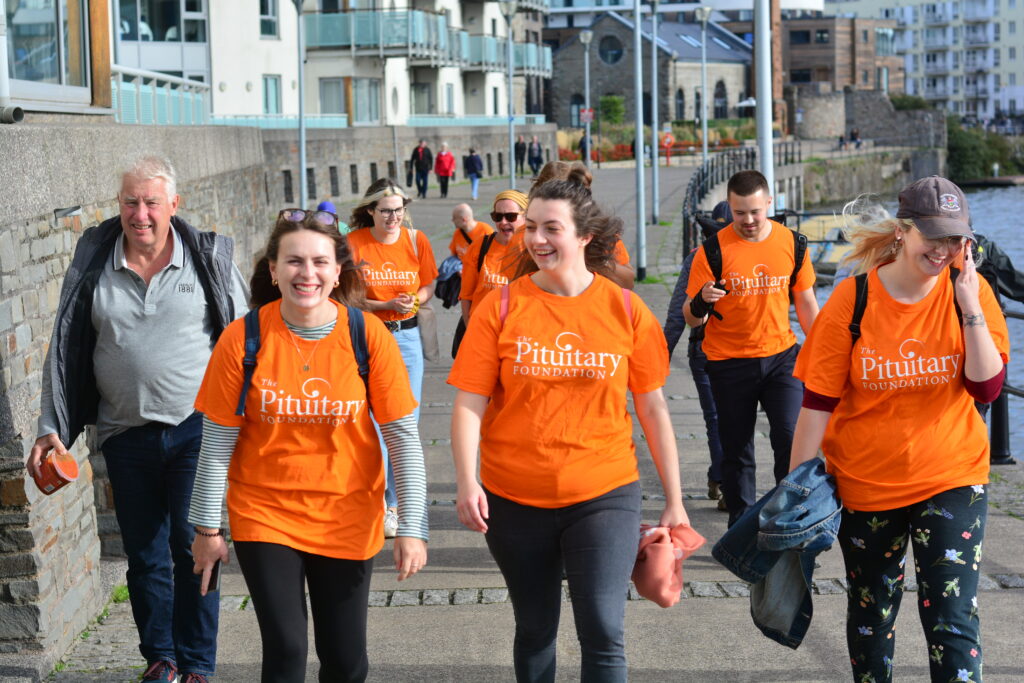
We also encouraged everyone to hold Go Orange days and simultaneously raised awareness about the symptoms of pituitary.
We had great support from our partnership with Myers La Roche, a company that provides marketing support and practice sales for opticians and optometrists, which helped us drive our message towards the optical industry!
What we acheived
Awareness Month 2017 was the most successful yet as we saw record numbers of participants getting involved in the campaign and the awareness activities we coordinated.
Over 3,000 copies of our optician awareness leaflet were distributed, and campaign details sent to all the main UK Optician headquarters and prominent ophthalmologist colleges and societies.
An amazing 53 Go Orange events were held!
A huge thank you to everyone who donated to our awareness appeal which will keep our campaigns and awareness work going.
We also published regular news articles regarding the campaign on our website and regular social media content. These news stories included various patient stories about being diagnosed by an optician that were written especially for Awareness Month, and these were very popular. There was a terrific response on Facebook this year with over 123,800 people reached.
Overall, optician awareness has been a popular theme for the last twoAwareness Months. As we have made more opticians aware, more patients will hopefully be diagnosed early and avoid the frustrations associated with a long diagnosis.
Raising Awareness
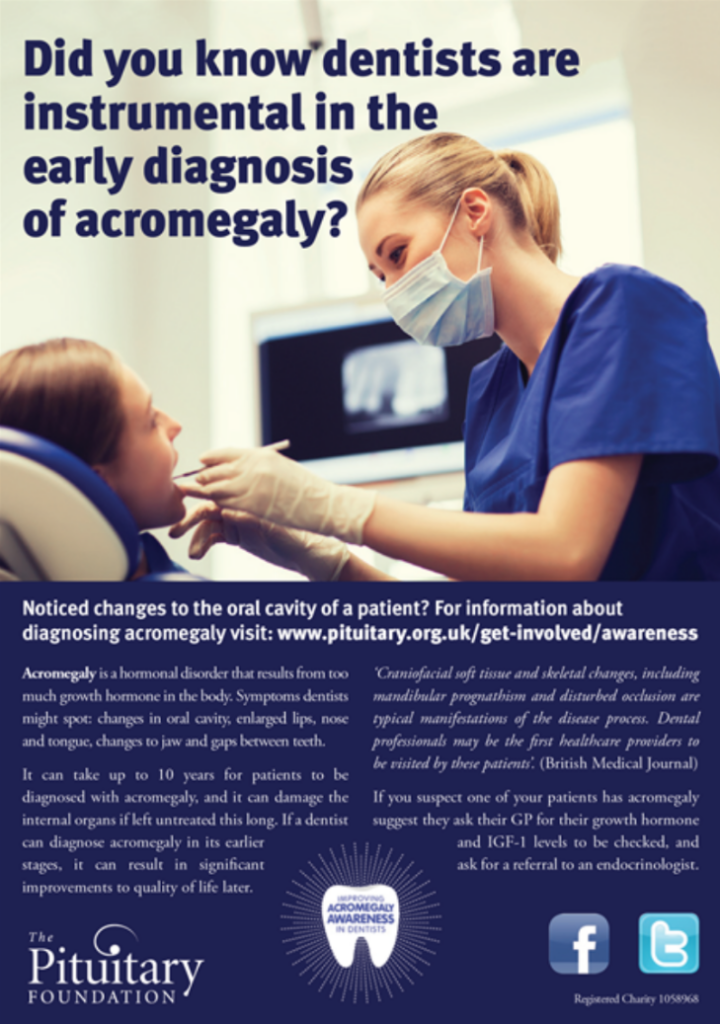
We ran a social media awareness campaign which reached over 60,000 people. Including publicising stories from patients who were diagnosed by their dentist. We targeted organisations working in the field of dentistry, and publicised our campaign materials including awareness leaflet. Approximately 2700 copies of the leaflet were circulated.
We also encouraged our members and volunteers to help spread awareness to their dentists.
We encouraged Dentists to look for changes to a patients oral cavity, and if this had changed, suggest they ask their GP for their growth hormone and IGF-1levels to be checked, and ask for a referral to an endocrinologist.
Campaign Facts
Acromegaly is a hormonal disorder that results from too much growth hormone in the body. Symptoms dentists might spot: changes in oral cavity, enlarged lips, nose and tongue, changes to jaw, and gaps between teeth.
It can take up to 10 years for patients to be diagnosed with acromegaly and it can damage the internal organs if left untreated this long. If a dentists can diagnose acromegaly in its earlier stages it can result in significant improvements to quality of life later.
The diagnosis is often delayed as the symptoms develop gradually over time, and patients and families may not notice the changes.
Studies show that untreated acromegalic patients are more likely to suffer from diabetes, high blood pressure and heart problems with a reduced life expectancy compared to the normal population. These can be improved after successful treatment.
British Medical Journal states
Craniofacial soft tissue and skeletal changes including mandibular prognathism and disturbed occlusion are typical manifestations of the disease process. Dental professionals may be the first healthcare providers to be visited by these patients and thereby prove instrumental in early diagnosis’
Read full article here
Our Message
The key campaign message in this awareness drive to primary care (GPs etc.) is that Cushing’s symptoms can be a great mimic for other more common conditions that are regularly seen by GPs, such as obesity, menopause, depression, and hypertension.
The more GPs who are aware, the more patients can be diagnosed early and avoid the frustrations, and poor wellbeing, associated with along diagnosis. The Foundation contacted the Royal College of General Practitioners (RCGP), the Nursing Standard, The BMJ and worked beside the Society for Endocrinology to help raise this awareness.
We encouraged schools and businesses to hold “Go Orange” days and simultaneously raise awareness and spread the message about the symptoms of Cushing’s. As ever, getting involved can make a significant difference to how widely our Awareness Month message spreads across the UK and Republic of Ireland.
We continue to work to support the diagnosis and treatment of Cushings.