



For more information about ‘Symptoms in the Spotlight’, visit our website.
Many pituitary conditions, and their treatments, can lead to changes in appearance. While these changes are often recognised medically, the emotional and social impact they can have is sometimes overlooked. Changes in your appearance can affect confidence, self-esteem, relationships, and everyday social interactions. For many people, it is not the visible difference itself that causes the greatest distress, but how they feel about it and how they anticipate others will respond.
It’s important to understand that the severity of a visible difference does not necessarily predict how distressed someone will feel. Two people with similar changes in appearance may have very different experiences depending on factors such as their self-esteem, social support, coping strategies, and previous life experiences. This helps explain why psychological support should be considered an important part of holistic care.
People who experience changes to how they look may respond by withdrawing from their normal life, including avoiding social situations, feeling self-conscious, or worrying about being stared at or judged. These responses are entirely understandable, but they can sometimes become self-perpetuating, leading to increased isolation and anxiety over time.
The good news is, there are things that you can do to help. Drawing on research into cognitive behavioural therapy (CBT) and social interaction skills training, I have created FaceIT@Home, an online programme designed to help people manage appearance-related distress. The programme combines practical strategies for managing anxious thoughts, building confidence, improving communication skills, and gradually reducing avoidance behaviours. Research has shown that online support can be just as acceptable and helpful as face-to-face interventions for many people.
Discussions with those affected highlight how valuable it is to share experiences with others who understand the challenges of living with a long-term condition. Support groups such as those run by The Pituitary Foundation play an essential role in helping people feel less alone, providing reassurance, practical advice, and a sense of community.
If you are interested in finding out more about FaceIT@Home, or would like free access to the programme, please either visit their website at faceitonline.org.uk, or get in touch with Alyson at [email protected]
Want to find out more?
In the below webinar, Alyson discusses the emotional impacts of appearance changes and how targeted interventions can help.

By loading the video, you agree to YouTube’s privacy policy.
Learn more
Relationships and Communication booklet
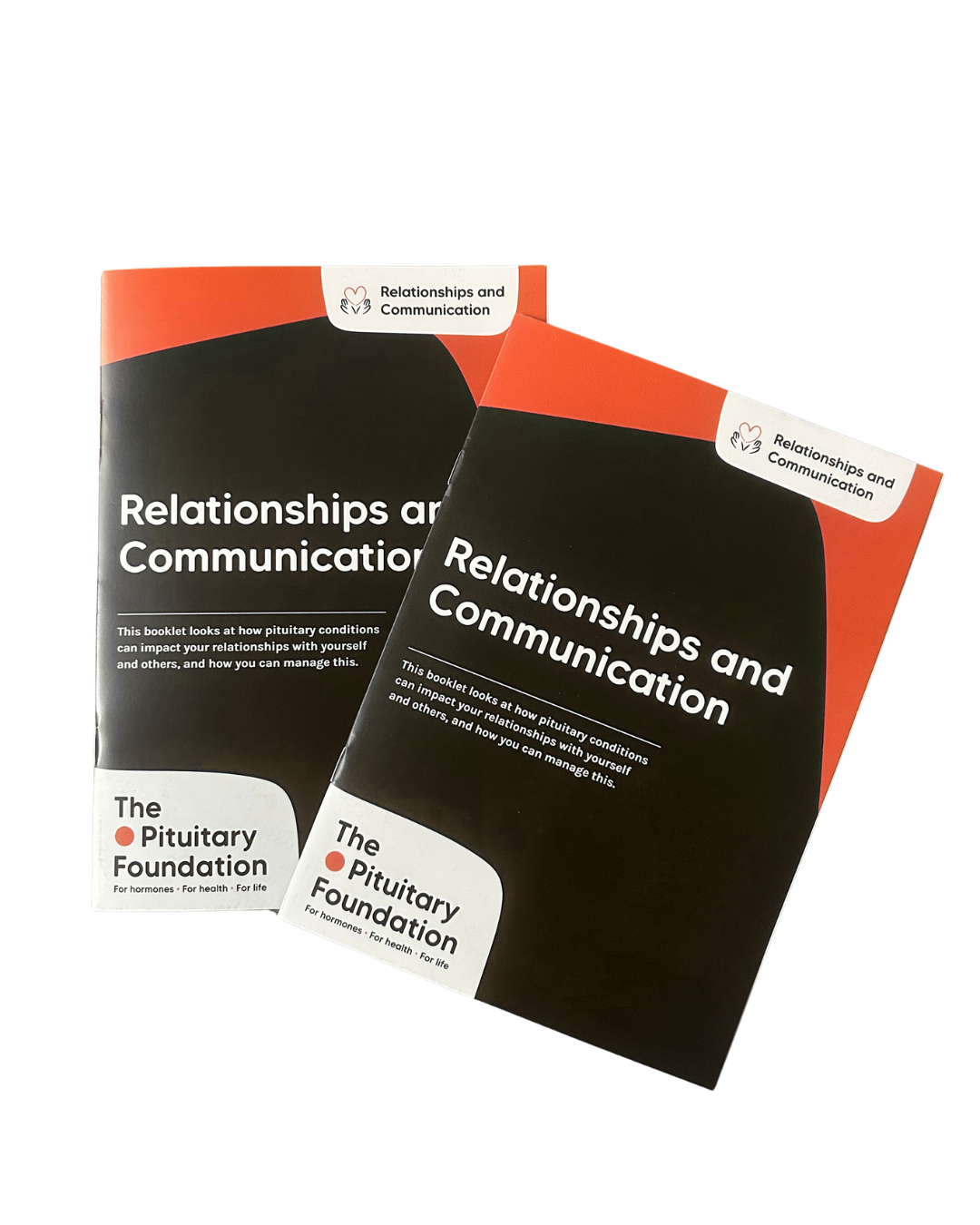
Relationships and Communication booklet
This booklet looks at how pituitary conditions can impact your relationships with yourself and others, and how you can manage this.
Purchase this booklet or download it for freeJoin our upcoming events for Pituitary Awareness Month 2026

Have you found this helpful?
If so, please support us to bring useful information to more people affected by pituitary conditions.