





I’m writing this blog because I’m on a bit of a mission. As someone with acromegaly, I know we’re recommended to have regular colonoscopies every 3–5 years, but no one really tells you what to expect. The process can feel a bit intimidating or mysterious, especially for those of us with acro. So, I want to help demystify it by sharing my personal experience.
I’ve had quite a few colonoscopies now and I hope this account is reassuring, honest, and helpful.
📝 Booking the Appointment
It was surprisingly straightforward to book my appointment. My endocrine team told my GP I was due for a colonoscopy, and my GP sorted everything out. The appointment came through really quickly!
When I called the unit, they already had my notes and were aware of acromegaly, which, honestly, is a first! We chatted about the bowel prep and they were confident that the standard pack (of prep) would be suitable for me, but said to call back if I had any concerns.
🍞 Low-Fibre Diet: What I Ate
Because my procedure was booked for 1 pm on a Tuesday, I started the low-fibre diet on Saturday. It’s not the most exciting food but it’s important to avoid anything that might leave residue in the bowel.
Here’s a rough idea of what I ate:
- White bread and butter (with a bit of Marmite for flavour)
- Pasta and plain chicken with garlic
- Natural yoghurt
- Chicken and white rice
- White toast with cheddar
- Yoghurt for breakfast
It felt strange to be eating this sort of “beige” food, especially since it tends to make me constipated and gives me stomach pain. The goal here though, is to eat things that won’t stick around and are easy to clear out with the prep.
⏳ The Day Before: Fasting and Prep Begins
I stopped eating solid food at around 1 pm on Monday and began fasting properly from 3 pm. I could still drink clear fluids, so I stuck with mint tea, water and black tea.
6:30 pm – I made up the spare bed!
This was not only to avoid disturbing my husband during the night with frequent toilet trips, but also because I had to be up at 6 am for the second dose of prep.
💩 Bowel Prep: Dose one (Monday night)
6:50 pm
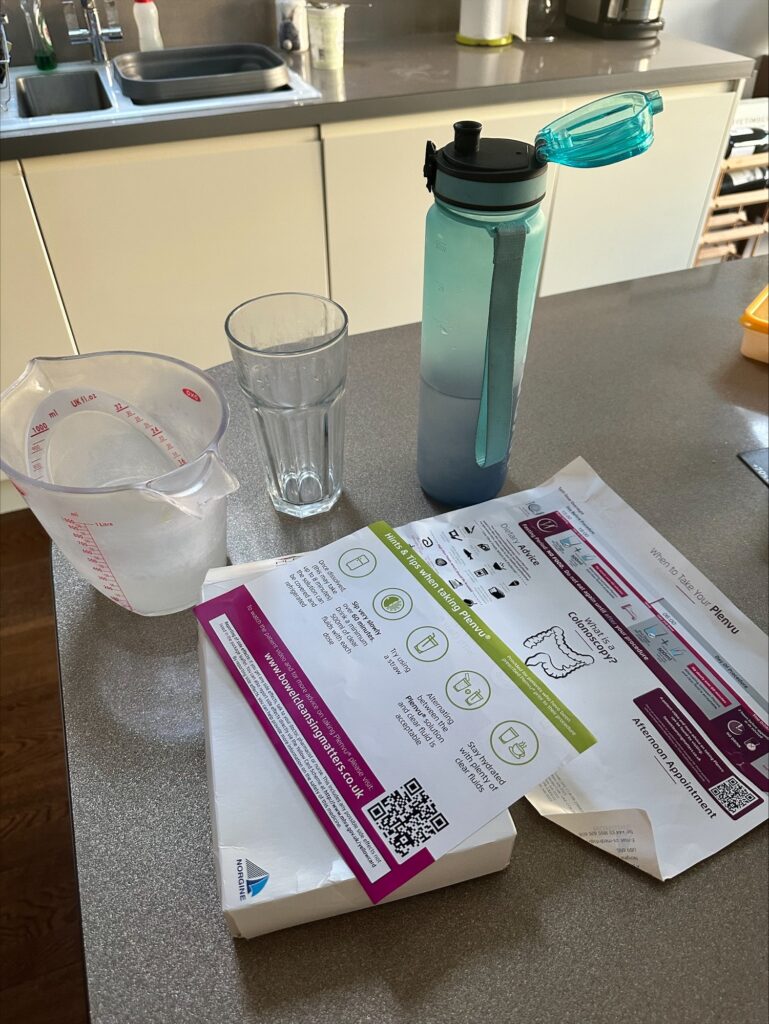
Time to mix the first dose. The instructions said to prepare it with 500 ml (about a pint glass) of water and to drink it slowly over an hour, alongside at least another 500 ml of clear fluid. I poured half into a glass and popped the rest in the fridge.
7:00 pm
First sips. Honestly? The flavour’s improved over the years… but it’s still not great. Syrupy texture, overly sweet with a salty-bitter aftertaste. It’s an odd combination!
7:15 pm
Halfway through the first glass - still hard work. The contrast between the thick, sweet syrup and the bitterness is really not pleasant.
7:30 pm
Finished the second half, which was a bit easier after chilling. Water helps mask the taste but I’d misjudged how big my water bottle was, so I was drinking more than recommended!
7:57 pm
Dose one down! Felt very full and slightly queasy, but otherwise okay.
9:42 pm
Some mild movement, but nothing dramatic.
🌄 Early Morning: Second Dose
6:00 am
I actually slept pretty well! Just one loo trip around 1:30 am, which is normal for me.
Time for dose two. I’d left it in the fridge overnight and it tasted noticeably better cold.
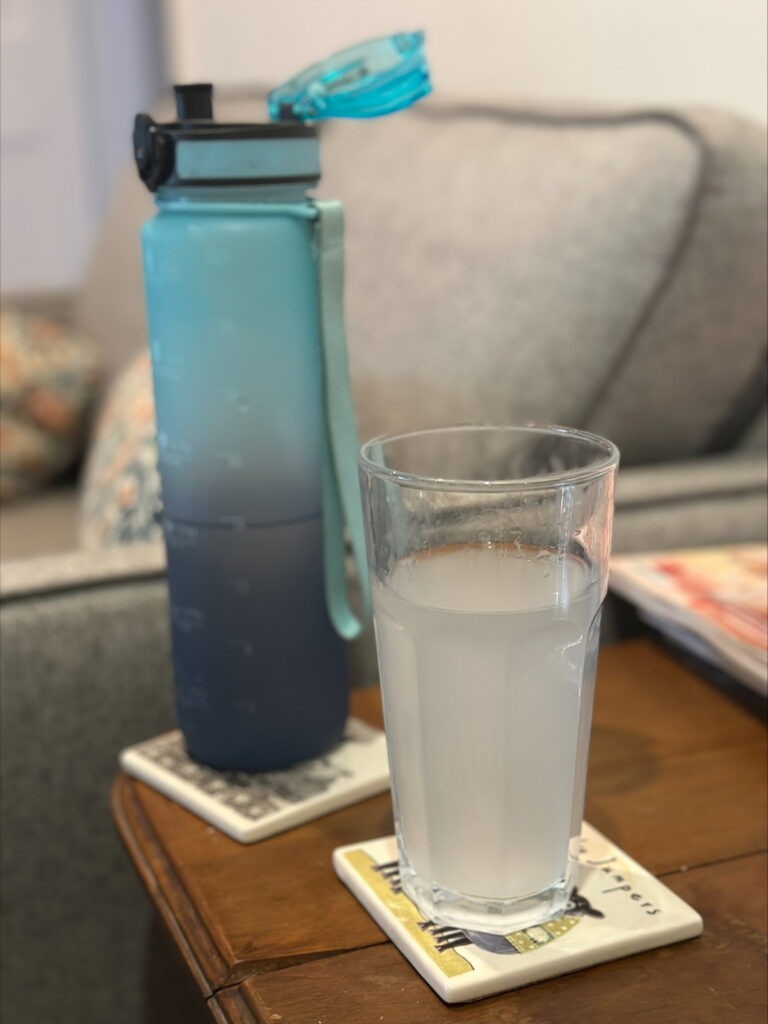
6:20 am
Things start moving fairly quickly ! The combination of being upright, awake, and drinking the prep seems to kick things off.
7:00 – 9:30 am
Lots of trips to the loo — about every 10 minutes. Definitely the watery movements the prep instructions warned about. Not painful, just frequent. Managed to sit at my desk for a short meeting around 9:30.
11:00 am
Stopped drinking fluids in preparation for my 1 pm appointment. At this point, toilet trips had eased off — perfect timing, as it’s a 30-minute drive to the hospital.
🏥 At the Hospital
12:30 pm
Arrived, filled in consent and health forms.
1:00 pm
Seen on time! A nurse checked my blood pressure (low as usual — 106/70) and reviewed the paperwork. She knew I’d had several colonoscopies before, so skipped some of the basics but made sure I was comfortable.
1:15 pm
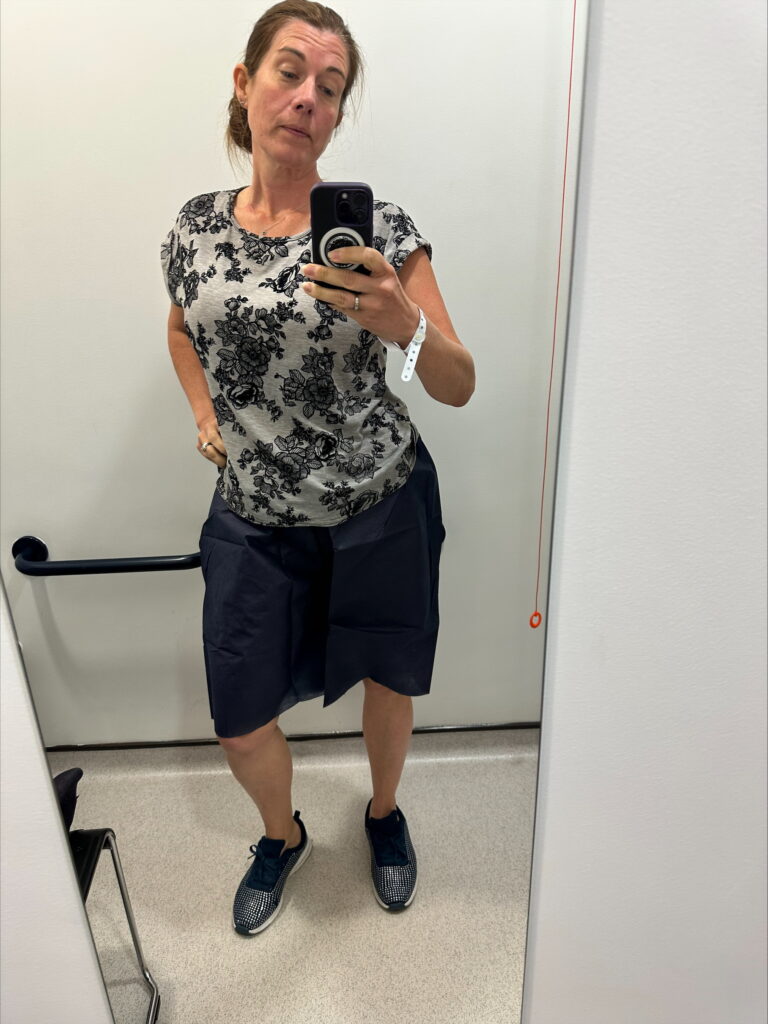
Time to get changed. They provided some stylish paper shorts, and I kept my t-shirt on. (Yes, I took a photo…)
🩺 The Procedure
1:20 pm
Into the room. I always take off my shoes so I can scrunch my toes. It’s a helpful sign when something’s uncomfortable!
To my surprise, it was an all-women team - the first time that’s ever happened. The atmosphere was relaxed, with good music playing. One staff member was solely there to check I was okay throughout; she was lovely.
We had a chat about my acromegaly, mysterious stomach pains, and constipation. I warned them my colon is famously twisty. It's shaped like a pretzel, apparently!
I don’t have sedation (personal choice - not bravery!). I prefer to be able to drive myself home. I used gas and air (Entonox) for pain relief, which works well if you use it early.
The scope begins…
The first part was fine. I like to watch the screen, so they positioned it for me. If they get to watch, so do I!
Then, as it got more uncomfortable, I reached for the gas and air. It helps take the edge off, especially when the pain is sharp.
As expected, there were lots of tight bends. The team kept going. They don’t pause much, so it’s good to be ready with the gas and air. At one point, my blood pressure dipped to 90/50, which is typical for me during procedures. Thankfully, I’d warned them in advance.
They asked me to change position a few times and even applied pressure on my abdomen to help get through the worst of the twists. Farting is encouraged and they cheer every time! (Laughter really does help.)
Eventually, they reached the start of the small bowel. Huge cheer all around! Apparently, they were nearly out of scope length, which is very rare! I was glad I’d kept on the gas and air even during withdrawal, as that part can still be uncomfortable.
☕ Recovery
Back in recovery, I was given water, a proper cup of tea, and custard creams, which was a very welcome treat. My tummy felt sore, mostly due to the gas used to inflate the colon during the procedure.
After a short rest, I got dressed and spoke to the doctor about the results.
📋 The Results
No polyps this time (I’ve had them before). But for the first time, I was diagnosed with diverticular disease.
They explained it doesn’t increase cancer risk but needs to be managed carefully to prevent flare-ups. This totally explains the unexplained pains I’ve had for years: cramps, constipation, and bloating. I honestly suspect I’ve had this for a long time, but this is the first time it’s been seen or mentioned.
Interestingly, diverticulitis is more common in people with acromegaly, which I’ve since looked up. No one had connected the dots before.
🚗 Going Home
I drove myself home, picked up the dog and made some toast and tea. I recommend being gentle with your tummy for 24 hours afterwards - white bread, plain rice, yoghurt, that sort of thing. I’ll gradually ease back into fibre over the next day or two.
💬 Final Thoughts
It’s taken nearly 20 years of colonoscopies to finally get this diagnosis. Whether that’s due to age, this particular team, or simply being listened to, I don’t know. But I’m glad I now have something to work with.
Next step: speak to my GP about managing diverticulitis. Whether this is through supplements or medication I don't know, since my diet is already close to the recommended one.
I really hope this blog has helped reassure or inform anyone facing a colonoscopy, especially if you have acromegaly.
📚 Want to Know More?
- We’re developing guidance for patients and gastro/endoscopy teams on colonoscopies and acromegaly - as soon as this is available we'll share
- Go to The Pituitary Foundation for more information on acromegaly, other pituitary conditions, and general support
For Rare Disease Day 2025, Emily shares her story of how a thunderclap headache and numb leg led her to be diagnosed with pituitary apoplexy and acromegaly.
Emily's story
At just 22 years old, my life was turned upside down after a sudden medical crisis led to a brain surgery that would change my life forever. What began as an unexpected thunder clap headache, combined with a numb leg, became a life-threatening emergency when doctors discovered a brain apoplexy (bleed) caused by a tumour, and a rare condition known as acromegaly.
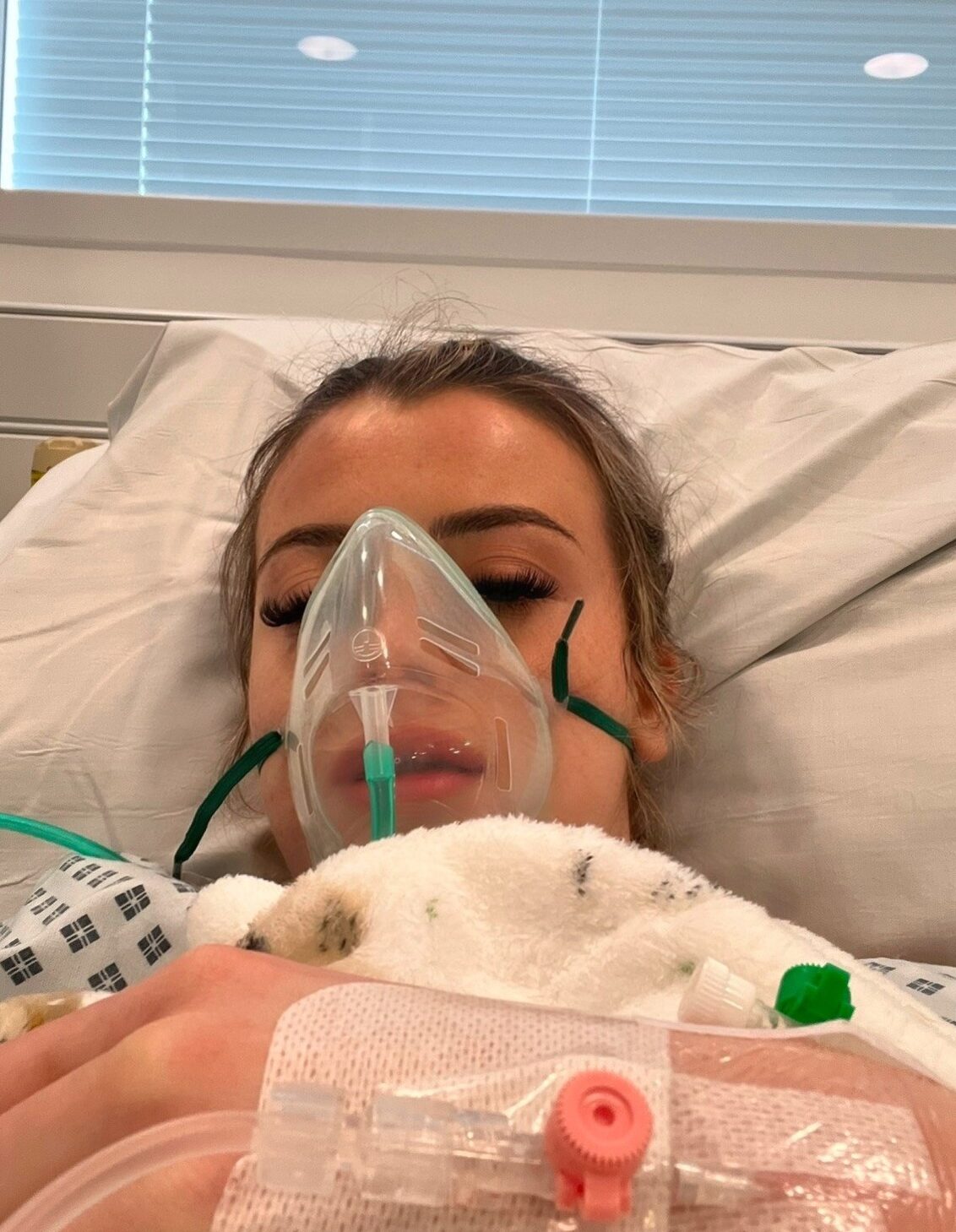
Prior to this, I had always been healthy, full of energy and the happiest in the room but this all changed when I experienced a sudden bleed in my brain; an event known as a pituitary apoplexy. The tumour, which had been quietly growing in my pituitary gland, was secreting excess growth hormones, leading to a range of disturbing symptoms that I had struggled with but hadn’t fully understood until that moment. I had no idea what was happening to me.
Consultants quickly diagnosed me with acromegaly – a rare disorder caused by a tumour on my pituitary gland that releases excessive growth hormone into the body.
The operation to remove the tumour was urgent. The longer the tumour remained, the greater the risk to my life. I didn’t know what to think when they told me how serious it was. My world just seemed to stop.
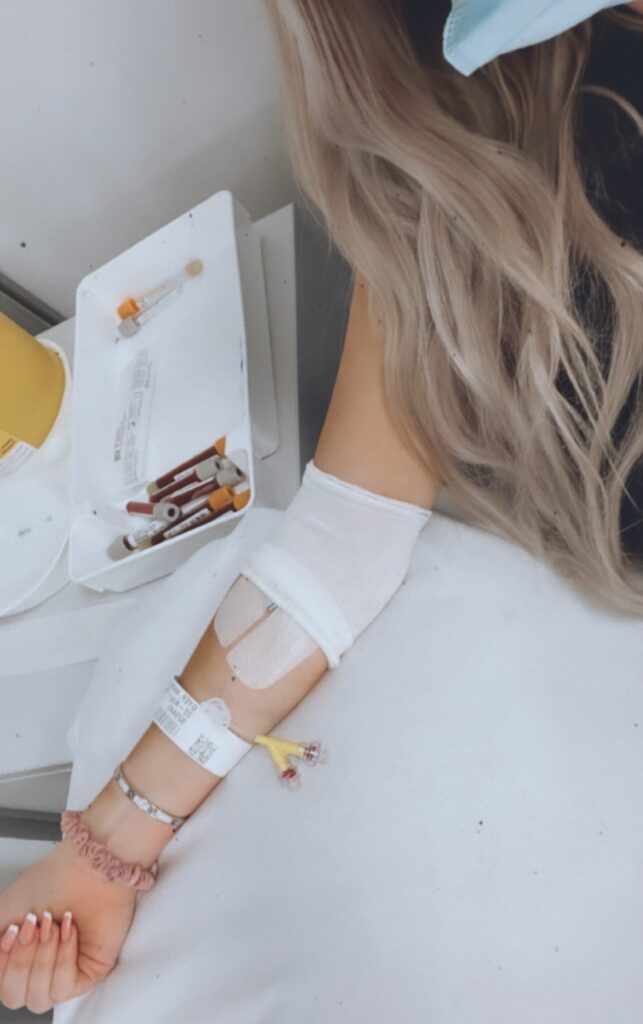
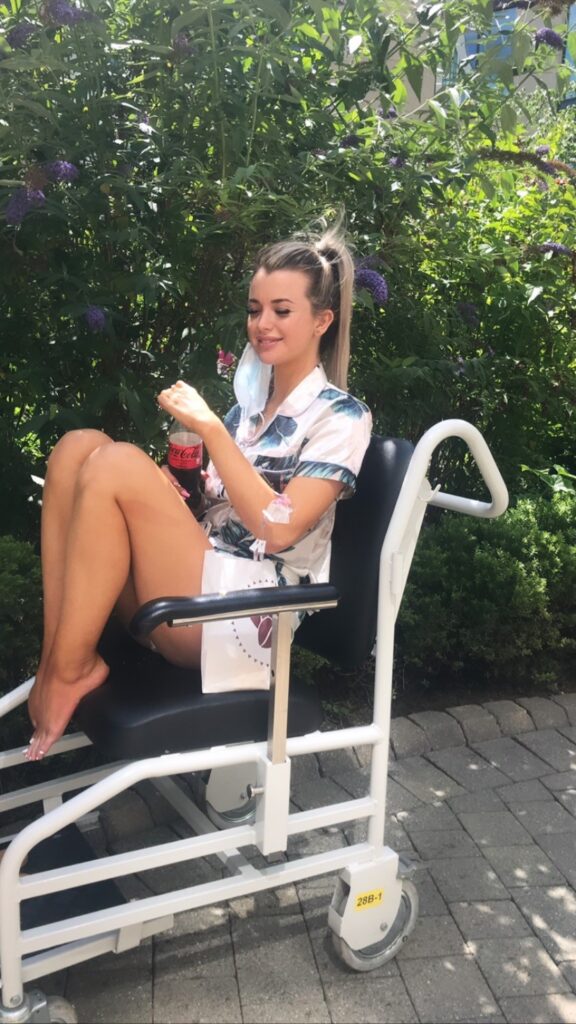
The surgery was a success (for now) but the road to recovery was far more difficult than I could have anticipated. Over the following weeks and years, my physical and emotional world was turned upside down. In the hospital, I endured more than 589 blood tests, MRI scans, CT scans, PET scans, ultrasounds, X-Rays, glucose intolerance tests, eye tests and more, as doctors worked tirelessly to monitor my condition. Each needle, each test, was a reminder of the fragility of my body and my future.
There were days when I felt like a pin cushion. It was hard to keep track of how many blood tests I had but I knew they were doing everything they could to help me.
While the surgery saved my life, the physical toll was huge. The changes caused by the tumour — and the subsequent removal of it — altered my body in ways I wasn’t prepared for.
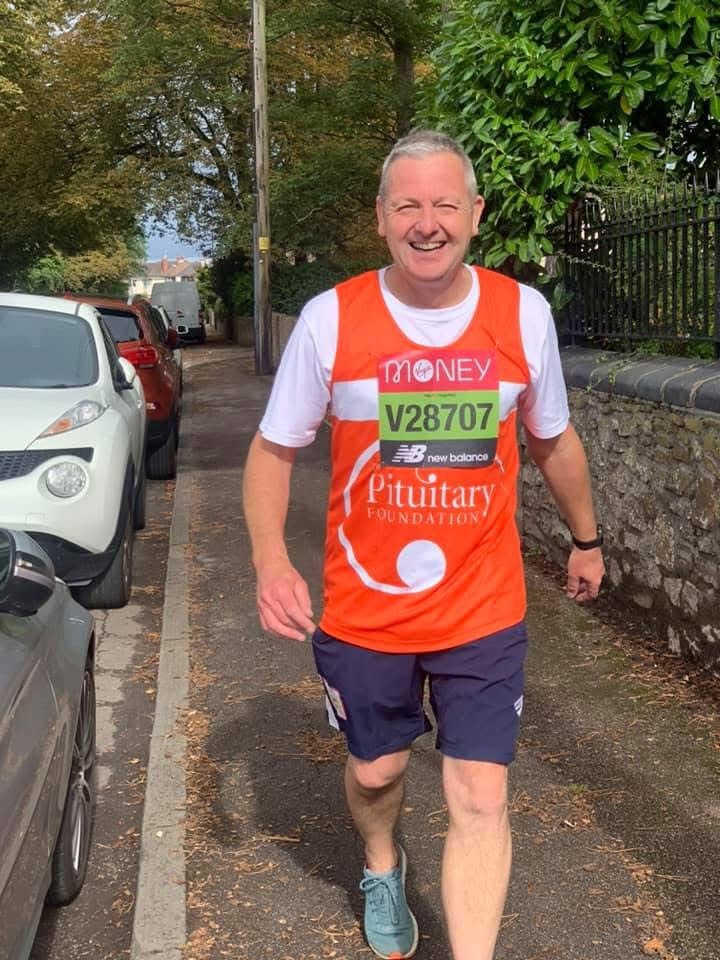
Thankfully, throughout my recovery, I was never alone. My parents, who had been by my side since the first terrifying moments in the hospital, were my constant source of support. I couldn’t have made it through without them. They were there every step of the way. Mum sat with me through the long nights and Dad kept telling me I was going to be okay, even when I didn’t believe it. My Dad even went on to run a marathon to raise money for The Pituitary Foundation.
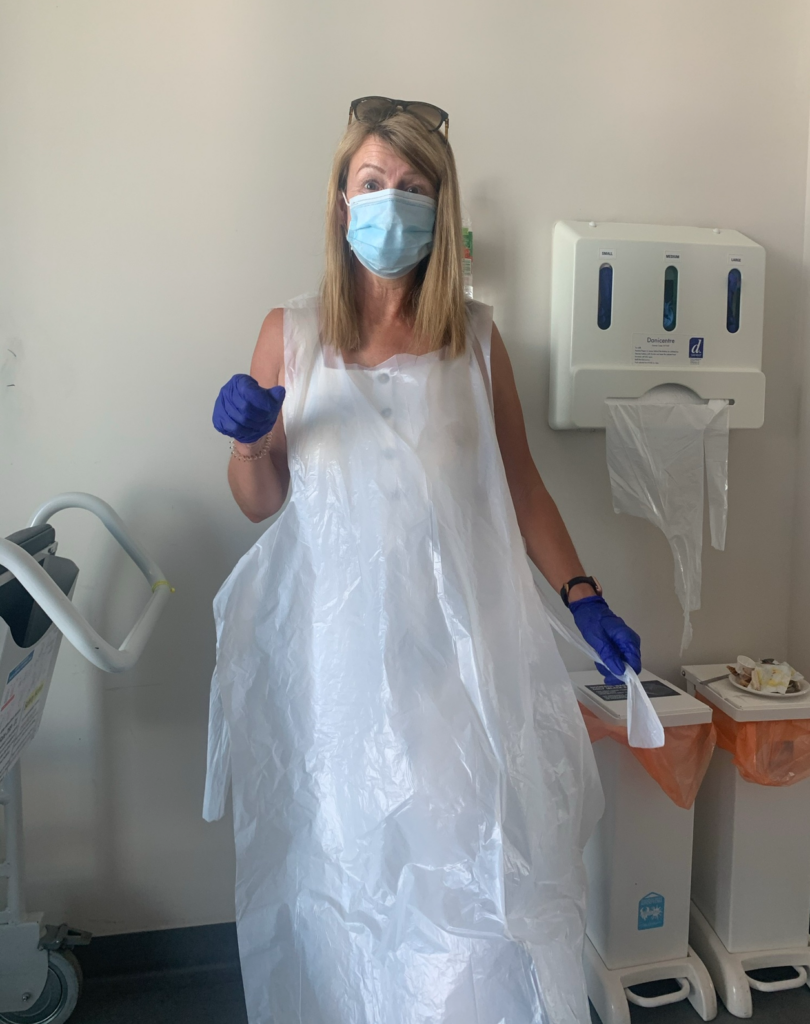
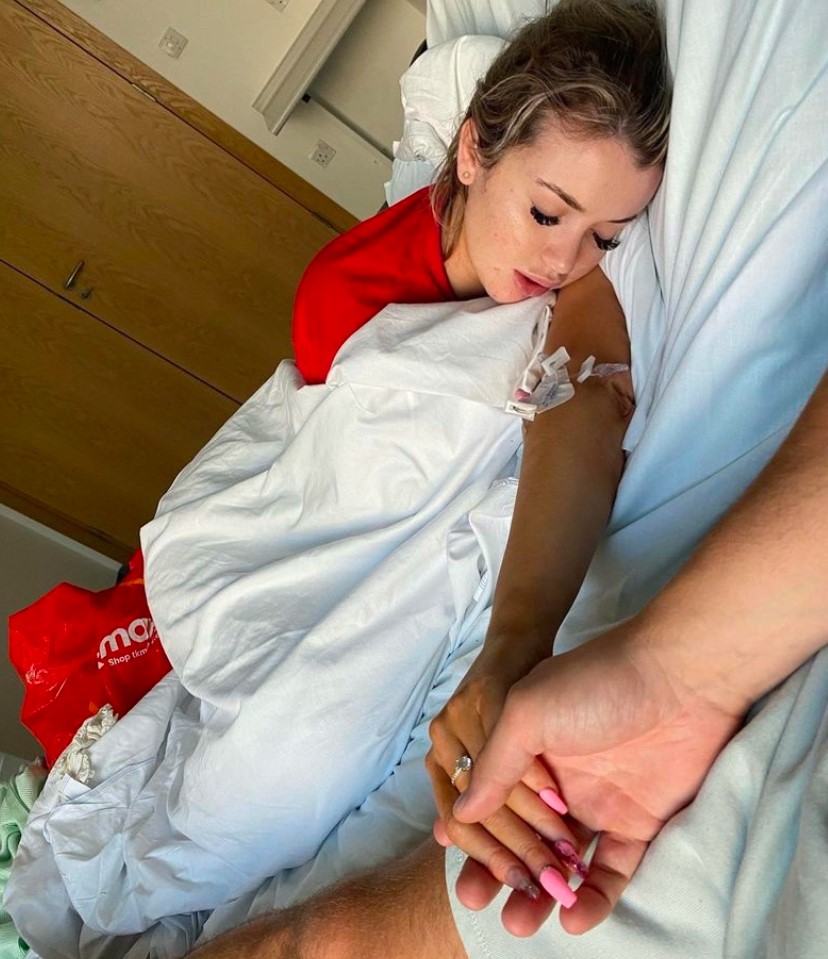
My partner was also a huge source of support for me. He never left my side. He would talk to me, hold my hand and remind me that we were in this together. I don’t know what I would have done without him.
During the worst of it, I also found comfort in Remi, my little cavapoo. Every time I was scared or upset, she’d jump up on the bed and curl up next to me and made me feel less alone.
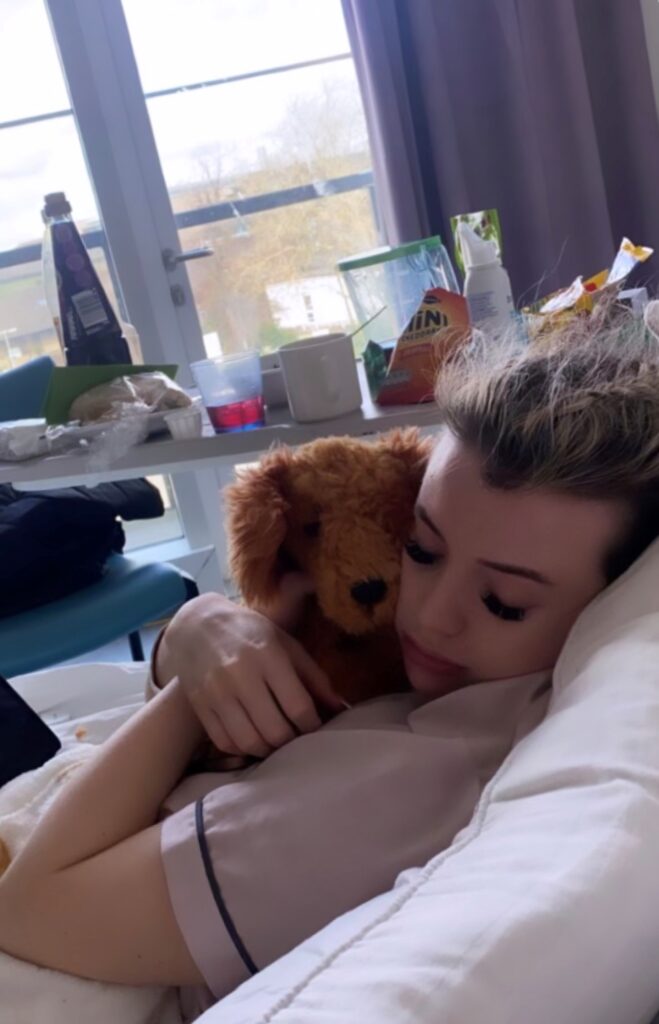
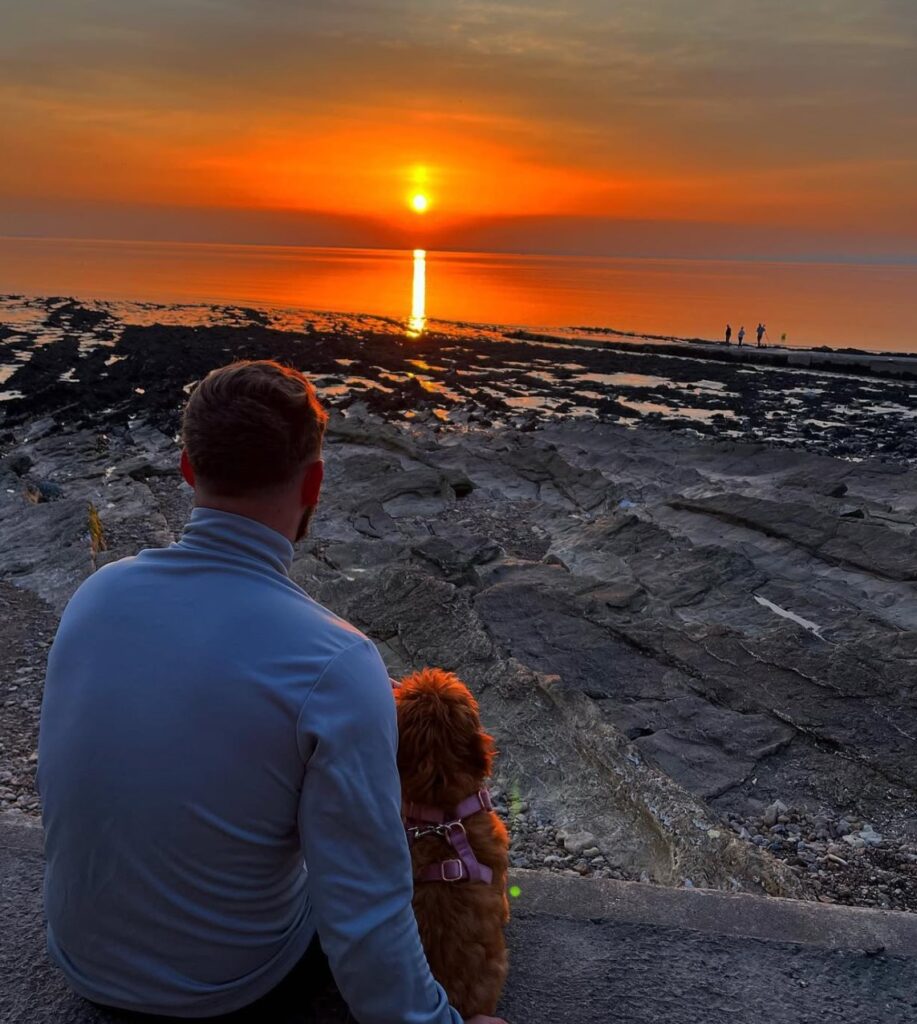
I’m still recovering and the emotional and physical challenges have been overwhelming at times. The lingering effects of the tumour and the surgery have left me with changes to my body, my health and my sense of self. But I still want to find a way to move forward.
I’ll never be the same person I was before but I’ve learned that strength doesn’t always mean being the same. It means pushing through the pain, finding hope when you feel like giving up, and knowing that there are people who love you no matter what. Life can change in an instant, but if there’s one thing I’ve learned through all of this, it’s that you can always find a way to rise above. Not every disability is visible!!
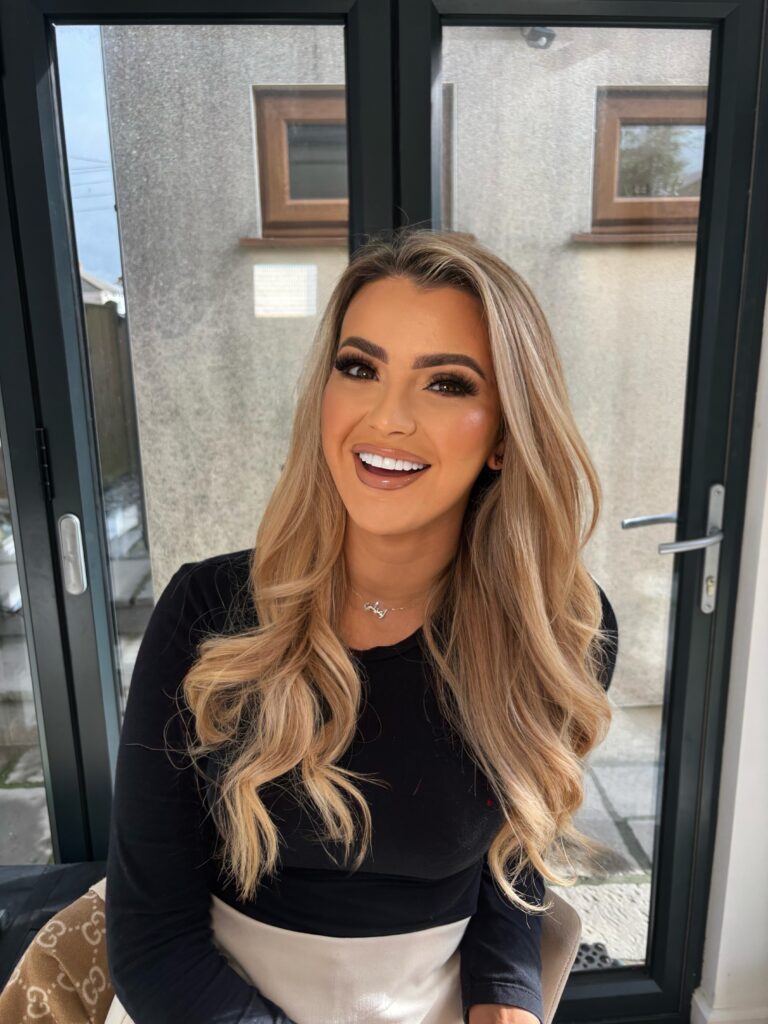
Thank you Emily for sharing your story. If you would like to share your story with the community, please email [email protected]. All opinions and experiences expressed in stories are those of the community member and do not necessarily reflect the views and opinions of The Pituitary Foundation.