



As we get ready to launch our support group in Leeds, we hear from the new support group leaders Caroline and Jess about their pituitary journeys so far.
Caroline's story
My problems began in about 2019 when I noticed that my periods were getting more and
more irregular. I run a lot and assumed that it was all due to overtraining. Eventually
though, it didn’t sort itself out and at the age of 37, I figured something wasn’t right.
Surely it was too early for the menopause!
Eventually I saw a GP who assured me that ‘some women don’t have periods’ and not to
worry. But I went back several weeks later and saw a different doctor, who ran a
pregnancy test; and again told me there was nothing to worry about. I wasn’t happy with
this advice at all.
So finally, after a couple more months, I saw a female GP with an interest in women’s
health, she explained that it could be a hormonal condition and advised that I needed a
blood test. The blood test showed that a hormone called prolactin was abnormally high.
I was then referred to an Endocrinologist and for an MRI. The MRI then showed a small
tumour on my pituitary glad. I hadn’t a clue what my pituitary glad was or what it did.
I eventually saw an expert Endocrinologist in Leeds, Dr Murray. He explained everything,
that had quite high prolactin and that this was abnormal and caused by the tumour. This
was the cause of the lack of periods all along.
Thankfully, I was advised that I could access a drug treatment and that this should sort
the problem out. I was started on the drug, Cabergoline, and I really hoped this would be
the solution I was looking for.
However, over the next few months and years it became increasingly apparent that it
didn’t work as well as it should; the tumour was still there and my prolactin was still high.
I was using Hormone Replacement therapy and felt that I was still too young for that.
Finally in November 2024, I was referred for Neurosurgery.
I waited some time for the operation; but eventually I had my surgery in the Leeds General
Infirmary in January of 2026. I had an expert Surgeon, Mr Nick Phillips and an excellent
team.
After the operation, I was advised that Mr Phillips had been able to remove most of the
tumour, and that this meant the operation was successful. I was sent home about 48
hours after the surgery.
However, I suffered serious complications after that, when I started to lose a lot of the
sodium from my body. This is called hyponatremia and it’s apparently a known risk with
this type of surgery. I was urgently readmitted this time to intensive care, and was cared
for by the amazing critical care team in the LGI. I really owe my life to some of them and
to my amazing husband Lee who brought me back to hospital in a terrible state; I was
barely conscious and I don’t remember any of it! My mum even flew in from Ireland so she
could sit with me in A&E whilst I was waiting to be readmitted.
My recovery has been a bit of a bumpy road, but it was really helped by some of the
fellow pituitary patients that I met along the way. So I decided to start this group in Leeds
and West Yorkshire so people can get together and natter about life with a pituitary
condition and give each other the mental and emotional boost that we all need when it
really gets tough.
I decided to start this group in Leeds
and West Yorkshire so people can get together and natter about life with a pituitary
condition and give each other the mental and emotional boost that we all need when it
really gets tough.
If you live in Leeds or anywhere in West Yorkshire; I look forward to meeting you very
soon at one of our meetings.
Jess's story
Hi, my name is Jess. I’ve volunteered with The Pituitary Foundation since 2024, and I’m excited to help with the new Leeds and West Yorkshire support group!
I know how important it is to meet other people who understand what it’s like living with a pituitary condition, so I hope we can develop a safe, welcoming space for people to find community and access support.
I’m looking forward to meeting and chatting with you all!
If you would like more information, please click on the button below.
As we launch our Peterborough support group, we hear from the new group leader Lisa about her pituitary journey so far.
Lisa's story
In 1977 when I was nearly 4 years old, I was diagnosed with histiocytosis x now known at Langerhans cell histiocytosis (LCH). I was a patient at Great Ormond Street Hospital. At about the same I was also diagnosed with central diabetes insipidus now called AVP deficiency. I know what its like to grow up with rare diseases. I especially know what its like to grow up with a rare pituitary condition that few people have even heard of let alone understand. However, for me it is my normal and I don’t know any different.
Over the years I encountered other issues such as not growing for a few years between ages 4-7, late puberty and being told I couldn’t have children. However, I have been married to my husband Steve for 28 years and we have been blessed with 2 sons who have grown up to be amazing young men.
Having had a pituitary condition for almost all my life it has at times been lonely as I have rarely met anyone in person with a pituitary condition. However last year, I attended the Get together day in Leicester organised by The Pituitary Foundation. It was a really good day. I especially enjoyed spending time with others with pituitary conditions - even after all these years this was the first time I had spent time with others with pituitary conditions. It made the day even more enjoyable.
Inspired by the Leicester Get together, I was very pleased to be asked by The Pituitary Foundation if I was interested in setting up a local support group. I want to set up the pituitary support group to help and support others in my area who are managing pituitary conditions. I want the group to be there for everyone whether they are newly diagnosed or old timers like me and everyone in-between. I want to provide a safe and supportive space for everyone involved not just patients but their carers and family as well. We all know this journey is often a lonely and isolating one and I really want no one navigating a pituitary condition to ever feel alone in this again. Please join us!
The Peterborough support group will be meeting for the first time in on 10 October 2026, at The Alpha Centre in Adderley. If you would like more information or to attend the meeting, please click on the button below.
We are excited to share the news that we have welcomed a number of new trustees to our Board of Trustees, and have appointed a new Chair of Trustees.
Earlier this year, Tom Sumpster reached the end of his term as Chair of our Trustees and stepped down, prompting an election for a new chair. We are thrilled to announce that Deborah Cooper has since been elected as our new Chair of Trustees. In addition to this, we have also recently welcomed a number of new trustees to our board, who bring a wealth of valuable expertise.
Introducing our new chair: Deborah Cooper
Deborah Cooper is an accomplished senior leader with extensive experience spanning pharmaceutical research and development, and governance within complex and highly regulated environments. Throughout her career, she has led strategic transformation, strengthened risk and assurance frameworks and supported organisations to navigate change while maintaining a strong focus on people and purpose.
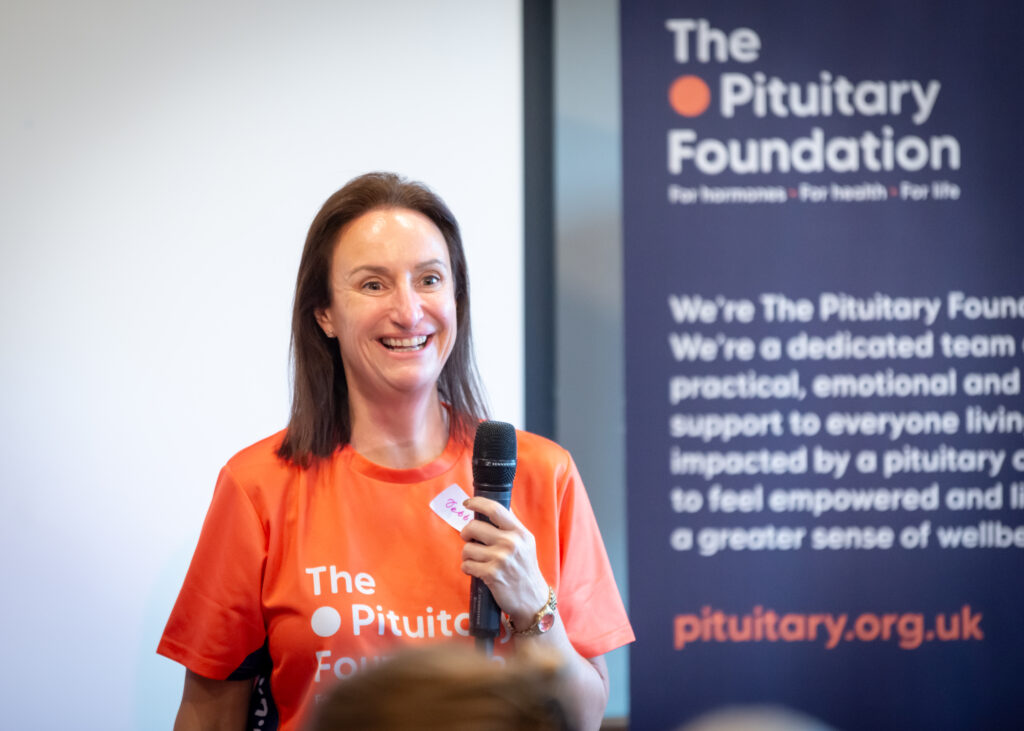
As a trustee of the Pituitary Foundation since 2021, Deborah has contributed to strategic oversight and collaborative decision-making, helping to shape the charity's direction and priorities. Her appointment as Chair reflects both her commitment to The Pituitary Foundation’s mission and her ability to bring clarity and a forward-looking perspective to governance. Deborah is particularly motivated by The Foundation’s refreshed trustee board and the energy and experience that these new board members bring. This provides a great opportunity to support new initiatives that expand our reach, deepen our impact across the patient and clinical landscape, and enhance the sustainability of our practices.
Debbie is a very active and involved volunteer and trustee with The Foundation, and many members will recognise her from our in-person get-togethers, online AGM and social media content. Debbie has lived experience of a pituitary condition and this understanding and compassion for our cause is reflected in her dedication to our work.
As Chair, she is focused on strengthening governance, fostering inclusive leadership and ensuring The Pituitary Foundation continues to deliver meaningful outcomes for the communities it serves, now and into the future.
Our Board of Trustees continues to grow!
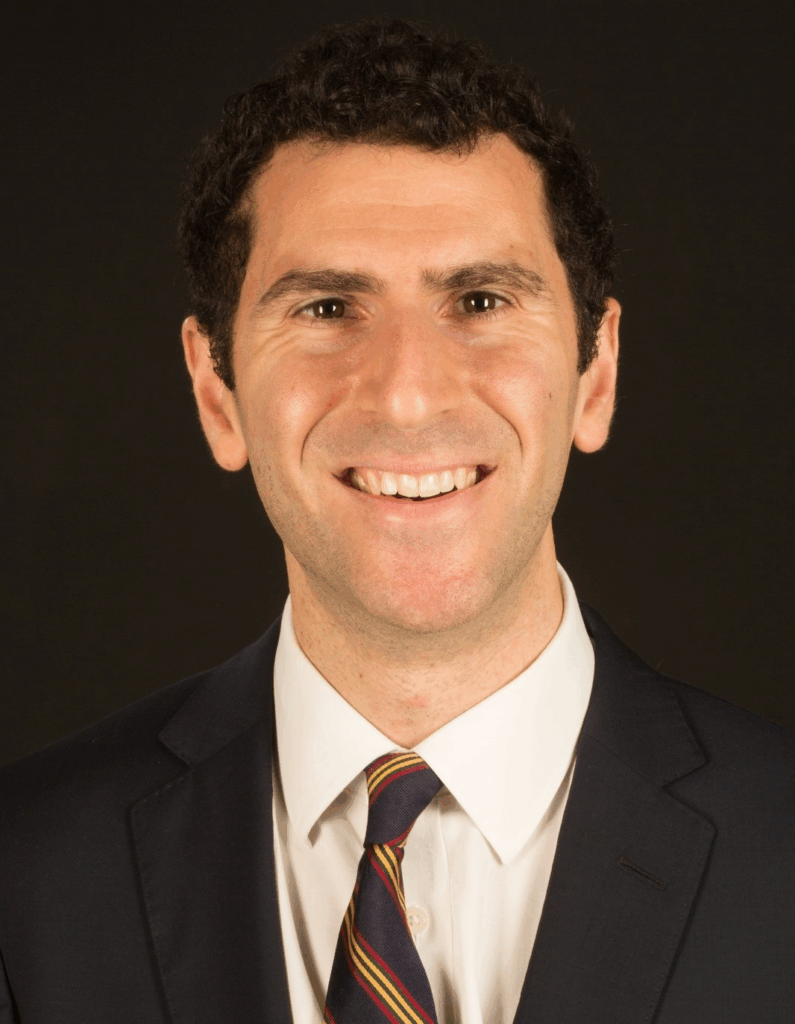
Professor Hani Marcus
Hani Marcus serves as professor of neurosurgery at the UCL Queen Square Institute of Neurology and as a consultant neurosurgeon at the National Hospital for Neurology and Neurosurgery. He has an international reputation for his work in pituitary surgery, research on robotics and artificial intelligence, and commitment to education and mentorship.
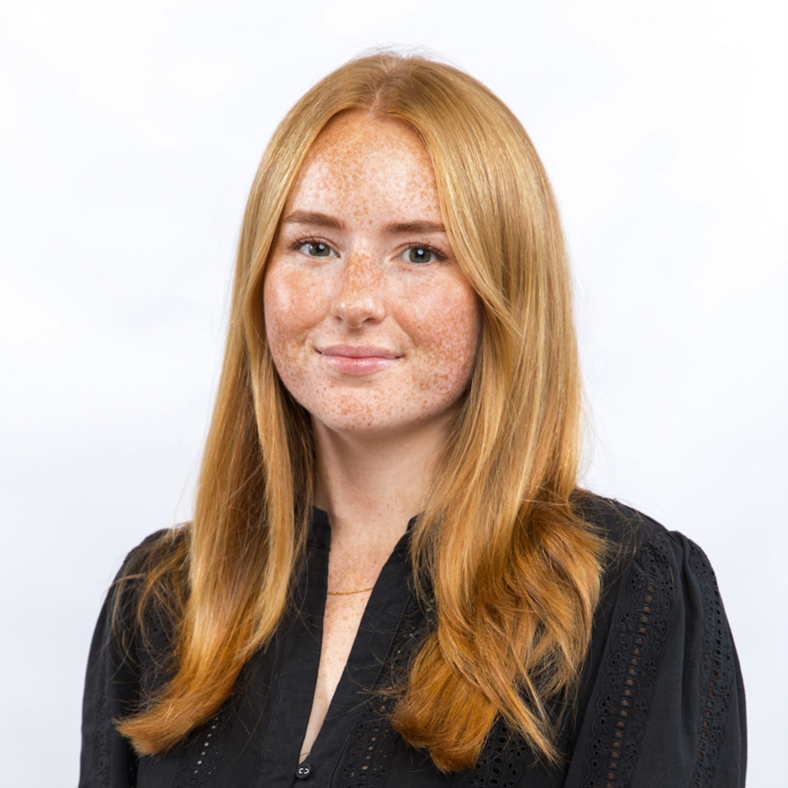
Chloe Ann Robins
Chloe grew up as a young carer of a single parent with a recurrent prolactinoma and Addison’s disease. Experiencing the challenges of diagnosis, treatment, and ongoing care from an early age shaped her understanding of the realities faced by patients with pituitary conditions and their families, and directly influenced her decision to study Neuroscience at university.
Professionally, Chloe works in the life sciences industry, where her role focuses on improving patient experience and support services through digital health innovation. She is passionate about embedding patient advocacy and centricity into the design and delivery of solutions that improve access, engagement, and continuity of care.
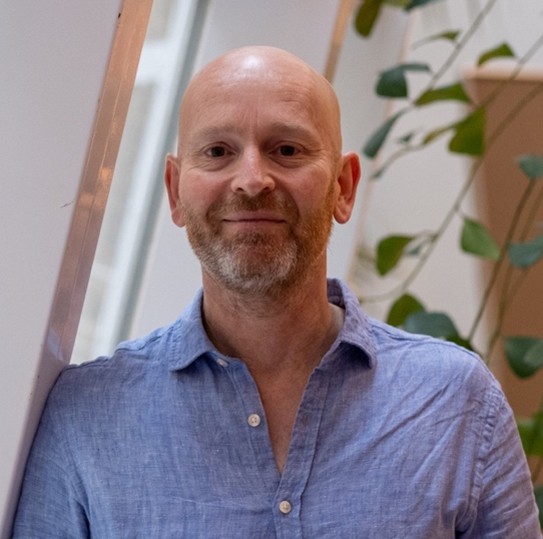
Glenn Darley
"I am honoured to join The Pituitary Foundation as a trustee. I bring 30 years of experience in the pharmaceutical industry, working at the intersection of commercial and medical affairs, with a strong focus on patient engagement and advocacy in rare and complex diseases. Much of my career has been spent in endocrinology and pituitary conditions, where I have seen firsthand the profound impact these conditions have on people’s lives and the role that The Pituitary Foundation provides to support these individuals and their loved ones. This experience has driven my passion for supporting those affected and using my knowledge and experience to improve their journey.
Throughout my career, I have championed meaningful patient community engagement by bringing together all stakeholders to create innovative, sustainable healthcare solutions. I strongly advocate for co‑creation, ensuring lived experiences of conditions shape both pharmaceutical drug development and commercialisation and healthcare programmes that the support the delivery of these treatments
I now run my own patient engagement consultancy, continuing to help pharma and biotech companies embed genuine patient community involvement into their strategies. As a trustee, I look forward to contributing as part of the team to deliver meaningful value for everyone living with pituitary conditions."
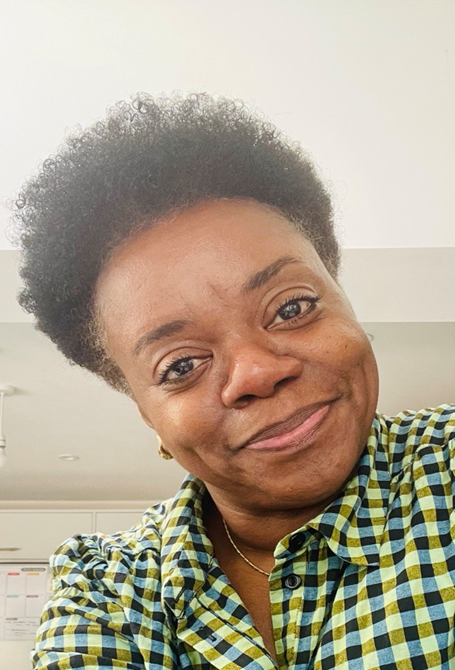
Moji Fasanya
Moji Fasanya is an experienced NHS finance leader and qualified accountant with over 17 years in the NHS. She is Head of Finance at Mid and South Essex NHS Foundation Trust and has held a range of senior finance roles supporting clinical services and strengthening financial governance. Moji is passionate about improving outcomes for people with pituitary conditions. She is married with three children.
Bringing our trustees together for a day of development and strategic planning
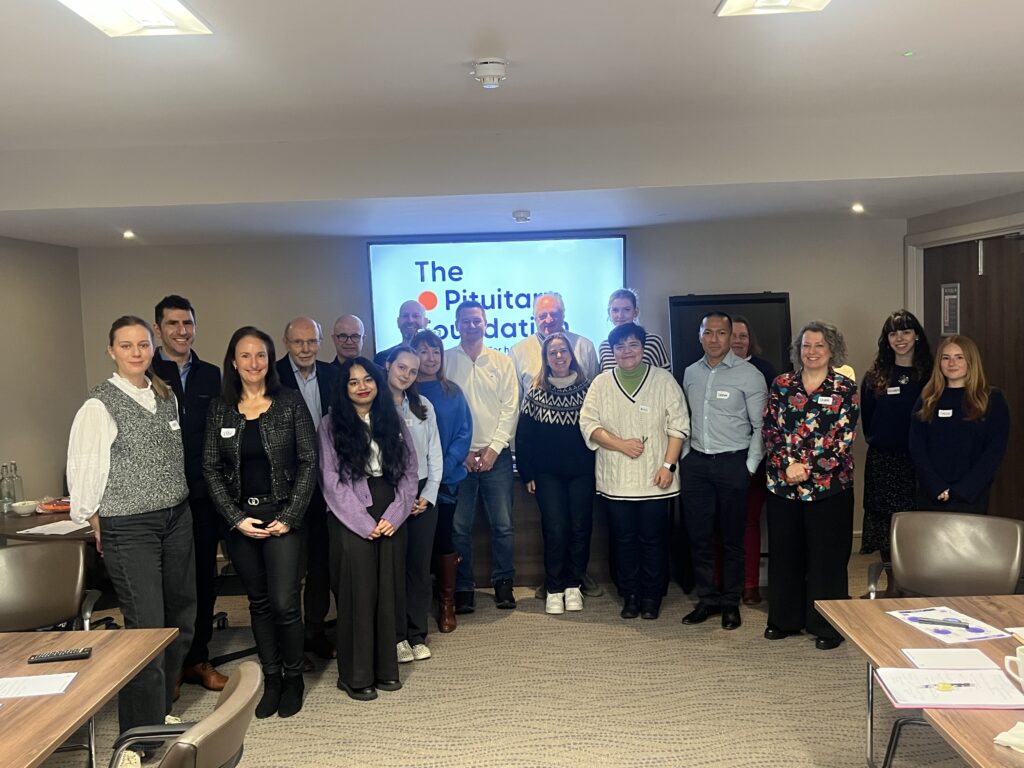
It's not often that the full staff team and our team of trustees come together in person, but this month we did just that! Our team met up in Bristol for a day of team development and strategy planning, to think through some of the biggest challenges to our work and how to overcome them.
In amongst the catch-ups over coffee and nibbles of cake, we discussed NHS changes on the horizon, the challenges and opportunities of artificial intelligence and the ways we can develop our services and channel funding opportunities. It was a day of exciting conversations and the team all came away feeling very energised by our work and plans for the future.
The day also gave us a chance to meet and get to know our new trustees. Our trustees, new and long-standing, travelled from across the UK to join us in Bristol.
As we get ready to relaunch our support group in Bristol, we hear from the new support group leader Ruth about her pituitary journey so far.
Ruth's story
Hi my name is Ruth Harper and I was diagnosed with Idopathic Cranial Diabetes Insipidus (AVP-D) in May 2019. I didn’t know why I was thirsty all the time and needing the toilet but after talking to my GP and being referred to an endocrinologist and many tests I was diagnosed.
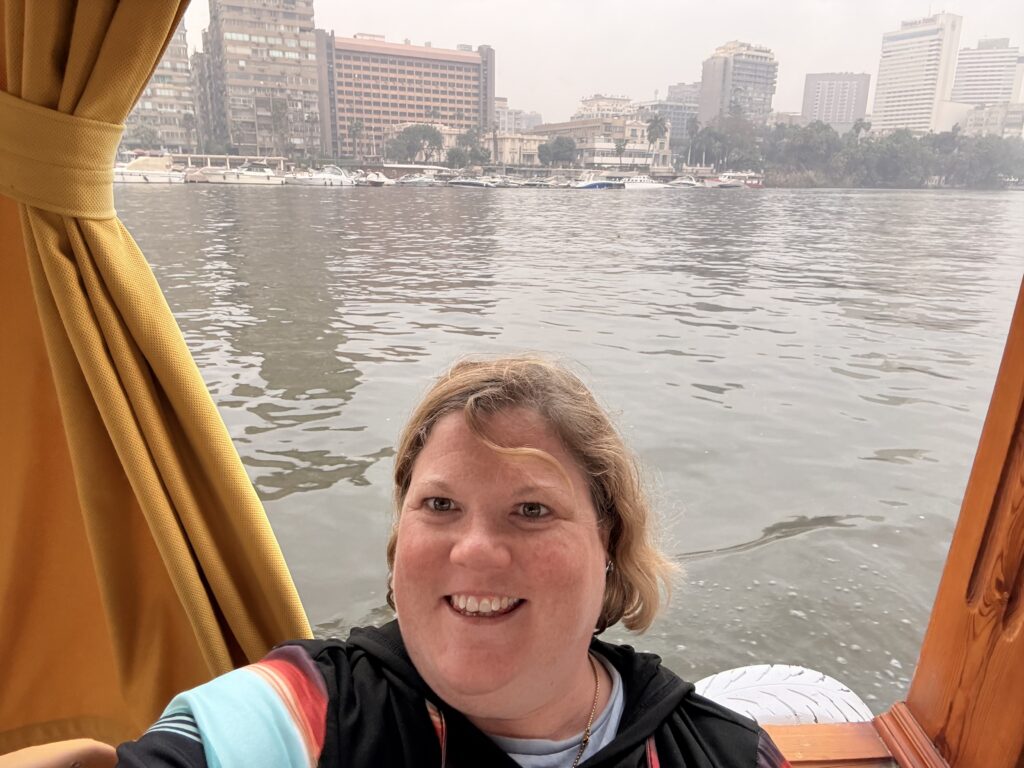
I had many questions and couldn’t reach out to anyone who I knew had the condition then I heard if pituitary foundation and managed to attend one Bristol meeting. Then the following year lockdown all meetings stopped no online zoom etc were available for the Bristol area and the support group slowly phased out.
I’ve been keen to start up another group to provide support not just to myself but to everyone navigating a pituitary disorder. And now finally with the help and support of pituitary foundation I am pleased to say we are starting up a new Bristol support group
The reformed Bristol support group will be meeting for the first time in April 2026, in central Bristol. If you would like more information or to attend the meeting, please click on the button below.
As we get ready to launch our new support group in North Wiltshire, we hear from the new support group leader Helen about her pituitary journey so far.
Helen's story
I have always assumed I endured the same amount of discomfort as any other teen growing up, so when my symptoms of headaches and fatigue presented, I reasoned my lack of energy on packing too much into my day and opted for early nights.
When puberty hit, these symptoms were still there, but mostly overshadowed by more extreme period cramps and abdominal pain, which would come and go in waves. Some days were better than others, but I justified all was the norm and quietly got on with life.
For me, the very idea in seeking medical help was not a forthcoming option. Teenage embarrassment paired with conservatism within my asian culture, meant we scarcely talk about how we felt.
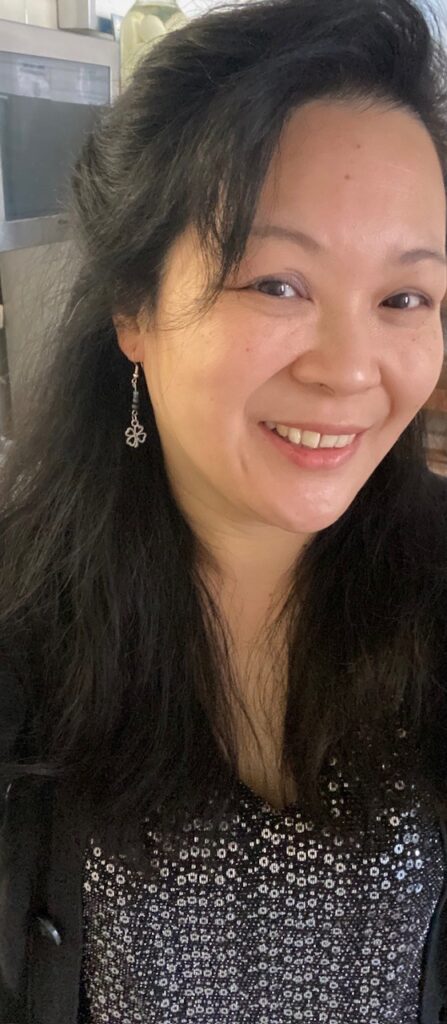
Eventually, when I finally plucked up the courage to see my GP, he concluded everything was down to ‘puberty and transitioning into an adult’. He asked me to return if my problems continued to persist. Months on, I revisited and left with the oral pill in hand. These were advised and prescribed to control all the symptoms in premenstrual syndrome or PMS.
It would be years on, when I returned and mentioned my breasts were continually tender and occasionally, lactating. Again, citing problems around severe PMS, I was sent home. My next medical encounter would be around five years on, as I hoped to start my own family.
In the first instance, I was directed to come off the Pill. I was told my period would return within the first couple of months, and when they did not, my doctor and I were concerned.
This was where my deeper medical investigations actually begun. Frequent trips to the surgery, followed by ongoing hospital appointments started. Eventually, a blood test revealed high prolactin levels, confirming Prolactinoma.
Numerous visual field tests and a MRI confirmed a pituitary macroadenoma, and soon after, an ultrasound revealed a 10cm rugby ball sized cyst on one of my ovaries. All these revelations, surfacing at the same time, literally broke me, but the doctors suggesting I may never have my own family, hurt me most.
This part of my life was exceptionally difficult, both physically and mentally. The uncertainty in how my body would respond to, and cope with treatment for my macroadenoma, paired with the urgent need to remove my ovarian cyst, filled me with dread and left me helpless. I was told, even if I made a full recovery from the operation, there was no guarantee I would ovulate and be well enough to create a family of my own.
Older now and reflecting on my past struggles, I feel so grateful for all the scientific advances around fertility and pituitary conditions. Without this expert knowledge, perhaps I would not be here to share my personal journey. This Autumn, I published my own book where I talk openly about my suppressed feelings. This has become one of my most significant times in my life, as I have come to recognise the power in healing, is actually in conversing, or at least, to have an option in ‘talking things through.’
I believe, no one should struggle alone, and by coming together we can support one another.
Fundamentally, this is why I reached out to The Pituitary Foundation. Furthermore, recognising the limited support in my local area, prompted me to take action.
In November 2025, The North Wiltshire Support Group was established. Meeting four times a year, we sit alongside the other Support Groups in UK. Here, I hope to encourage people suffering with pituitary conditions, their carers, loved ones and extended family, to attend our safe space meetings. The objective is clear - It is to hear, support, and to direct help to those people who may need it, in an open and friendly, judgment-free environment. I believe, no one should struggle alone, and by coming together we can support one another.
For me, decades on, I have learned to live with Prolactinoma, a microadenoma, and am blessed with a healthy loving daughter and beautiful souled son.
I remain thankful for what I have and continue to live life with optimism.
As we get ready to launch our new support group in Kent, we hear from the new support group leader Lauren about her pituitary journey so far.
Lauren's story
Hi, I’m Lauren, I was diagnosed with acromegaly 10 years ago. I have had numerous operations and medical therapies to ensure disease control. Consequently, I have also had chronic problems with my right eye. I was inspired to study nursing after the treatment I received from my endocrine nurses changed my life. I hope to achieve the same in my career, and this has also encouraged me to volunteer with the Pituitary Foundation.
I enjoy spending time with friends, family, and my dog, Monty!
I turned to the Pituitary Foundation to find a support group shortly after my diagnosis as Acromegaly left me feeling lonely, confused and misunderstood at times. I attended my first support group in Birmingham in 2017, which was quite a trek for me as I live in Kent. However, this was well worth the travel, the support, story-sharing, sharing and comparing experiences were life-changing. It made me feel as if I was not alone in this journey, and soon after, I had many new friends to share parts of the journey with and see if they had experienced similar things or even ask for advice! This was the first time I had met other people face to face who shared the same illness as me, there is nothing like speaking to other people who get it.
Now I have finished my nursing studies, I am pleased to be setting up a Kent Support Group, for all the people who are newly diagnosed, mid-treatment and or are veterans of their disease.
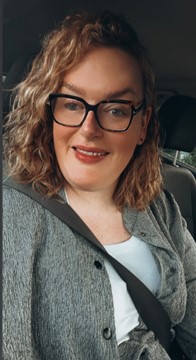
I’m excited for people to experience these feelings of being understood, supported and connected to others, and even to share their stories to help others. All in a safe environment, that will allow people to meet and discuss their experiences.
If anyone feels apprehensive about attending a support group, I will say this is a safe space, and I will do my utmost to ensure you feel supported. Lastly, please don’t miss the opportunity to meet people who have experienced a similar journey to yourself.
Hope to see you soon, Lauren.