



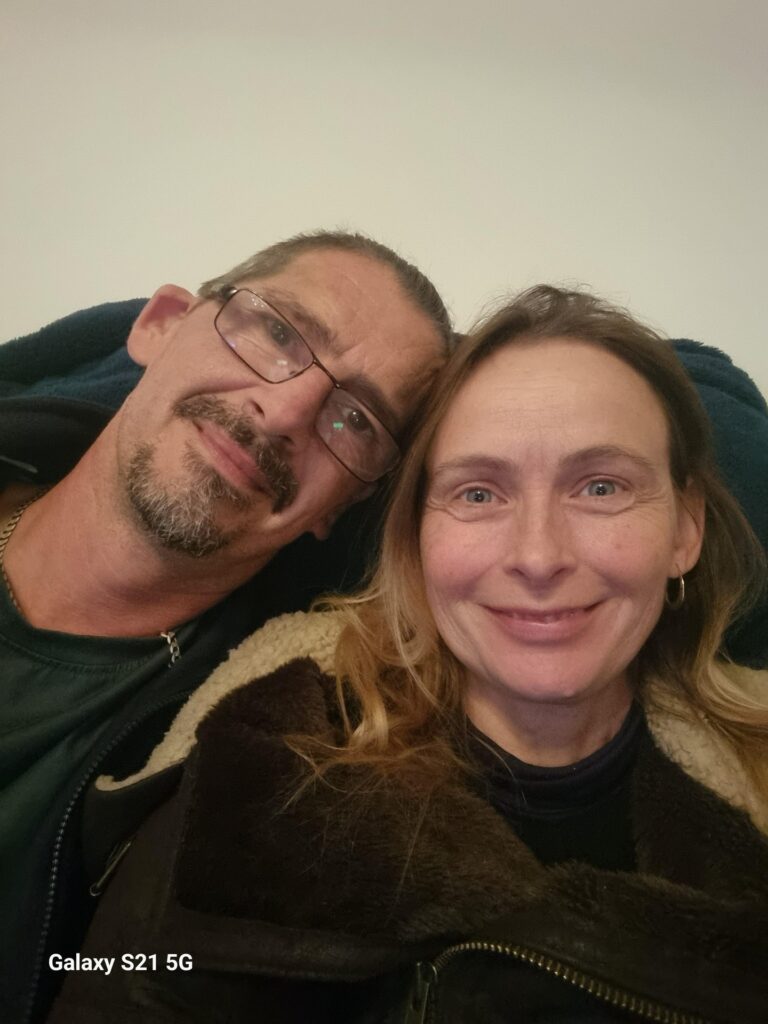
My story starts in 2020. I had headaches, dizziness, was constantly tired and generally rubbish. I had an MRI and they found a tumour; I had a pituitary macroadenoma. The very thought of a tumour was alarming and it was in Covid times, therefore I wasn't able to see anyone for support. A month previous, I found out I was pregnant and as you can imagine, I was filled with dread and so many questions.
I was told by my employer that due to my illness they could not carry on my employment- another whack in the face! My whole life as I knew it was uncertain. I was scared and felt alone. I also suffer from depression and anxiety and this was through the roof. I tried to maintain a positive mentality for my twelve year old daughter; it was hard.
I was told that I needed surgery however, due to the pregnancy, this could not happen until after I gave birth. I was also told that it was a rarity to get pregnant whilst having this diagnosis. As such, a case study has been written. I had regular scans and, towards the end of the pregnancy, the tumour was getting larger. Apparently this can happen due to the pregnancy hormones. The symptoms were getting worse and my sight was deteriorating. The surgeon said they could not wait any longer and I was booked in to have a caesarian section five weeks early. I was informed that I would be unable to breast feed as this would also increase the tumour. I felt a failure. I wanted to give birth to my son naturally and feed him. My mental health was crashing.
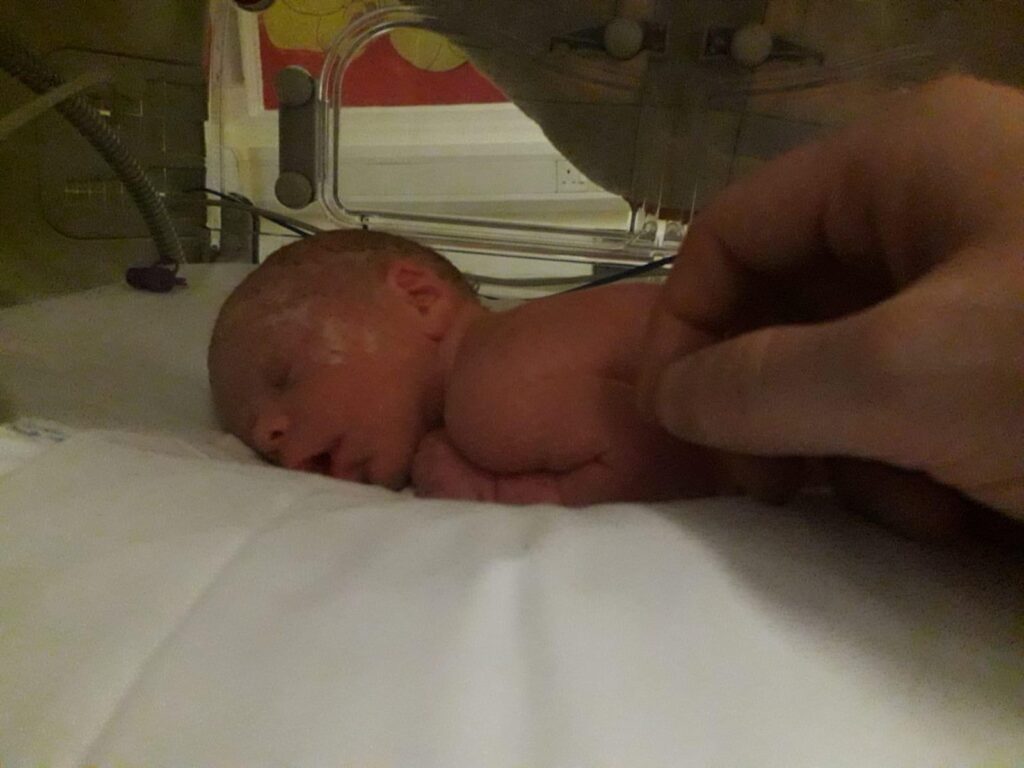
I was informed that I would be unable to feed him as this would also increase the tumour. I felt a failure. I wanted to give birth to my son naturally and feed him.
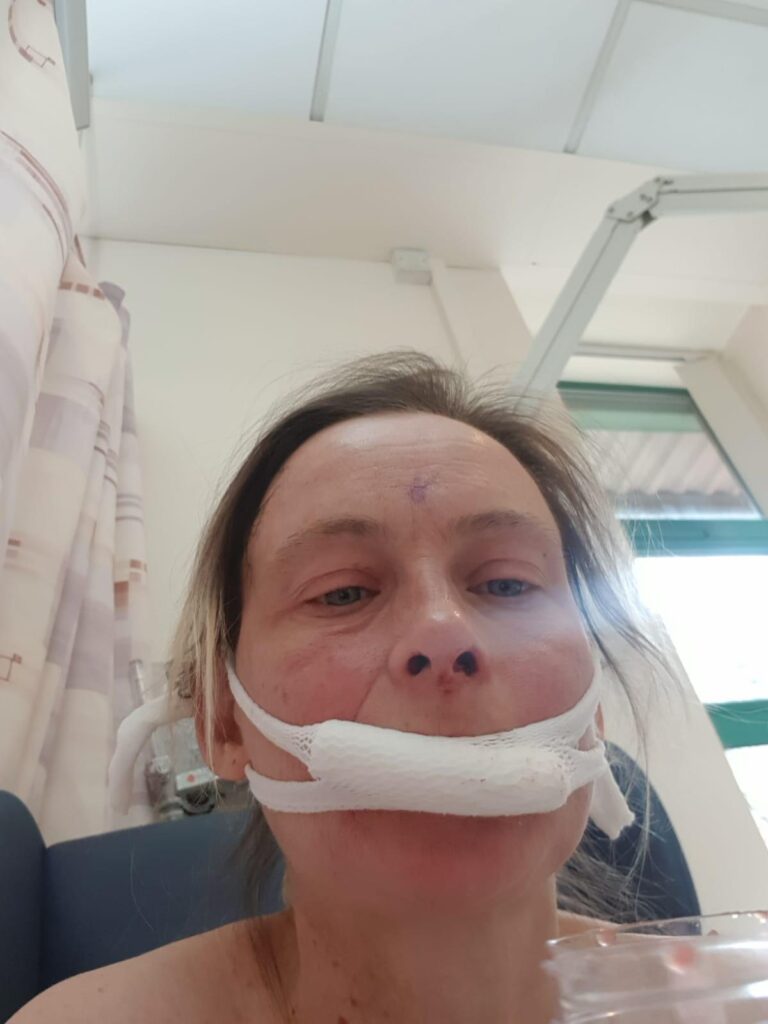
Within two weeks of giving birth to my son, I was in a special neurological hospital having the tumour resected. I could not have asked for better treatment and reassurance. Due to Covid, I was unable to see my partner or children. I came out of hospital six days later and it was a long recovery because of the caesarean, brain surgery and depression.
I have not worked since. I am still constantly tired. If I have a productive day, the next day I am wiped out. This would make it hard going into a job as I couldn't be reliable. This upsets me, as I am skilled and proficient as a financial trader and market manager.
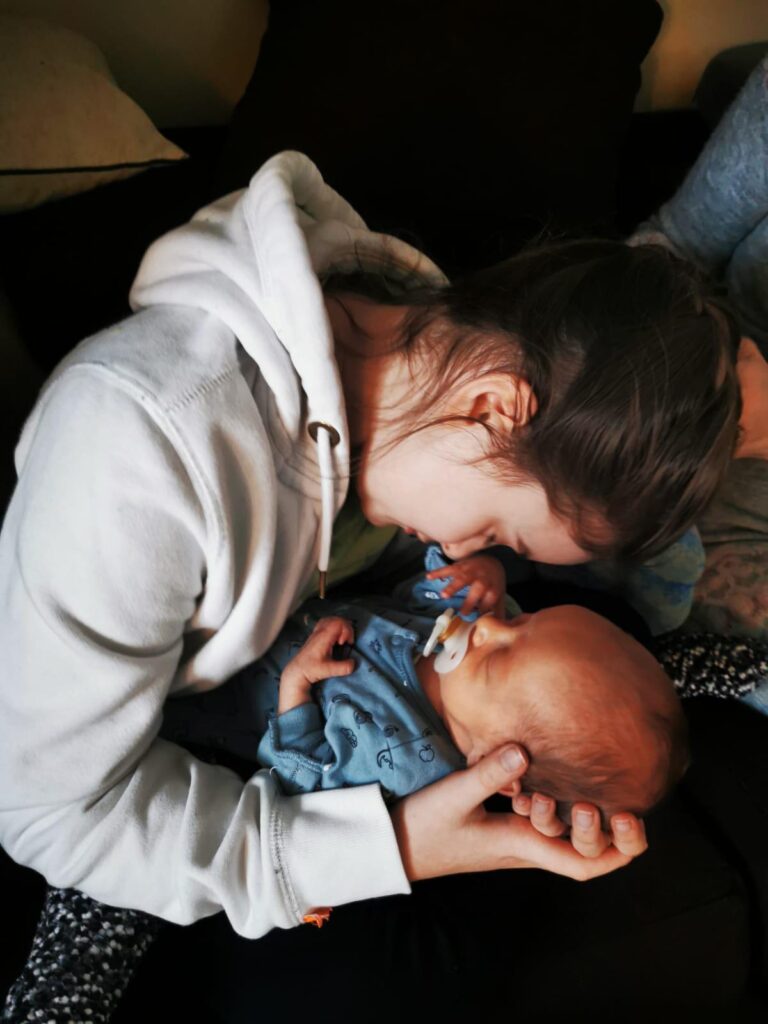
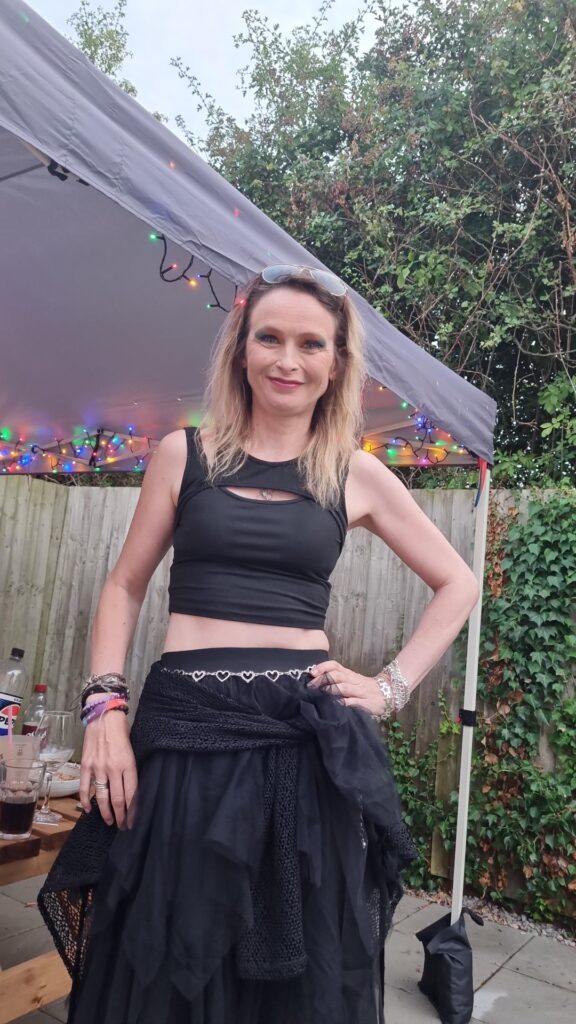
Life is not the same. I have no sense of smell or taste, however if I ask myself how grateful am I? The answer is easy. I look at my children, I breathe in the cold air, watch the birds flying, I am beyond thankful I am here.
Deciding where to focus research efforts for health conditions and their treatment is an important part of conducting new research. One challenge of this is that the priorities for what research to carry out do not always align with the needs and priorities of patients.
In 2023, we shared an opportunity to be involved in research aimed at setting out future priorities for pituitary adenoma surgery. We are now happy to say that this research has been completed and the findings are ready to share with the community! We want to thank anyone who put themselves forward to be involved in this research; the findings will surely be of great importance in helping to address patient priorities and improve outcomes in the future.
Research overview and findings
A number of years ago, a group of researchers came together to carry out an international study called PitCOP (Pituitary Surgery Core Outcomes and Priorities). This study aimed to establish what the top 10 priorities should be for research around pituitary adenoma surgery. This study actively sought to include input from patients and healthcare workers, to ensure that the findings represent researchers and clinicians, as well as the patient community that they seek to support.
The study was led by:
- Hani Marcus, Consultant Neurosurgeon at University College London Hospitals (UCLH) and University College London (UCL)
- Angelos Kolias, Consultant Neurosurgeon at the University of Cambridge and Cambridge University Hospitals
- Stephanie Baldeweg, Consultant Endocrinologist at UCLH and UCL, Chair of our Medical Committee and member of our board of trustees
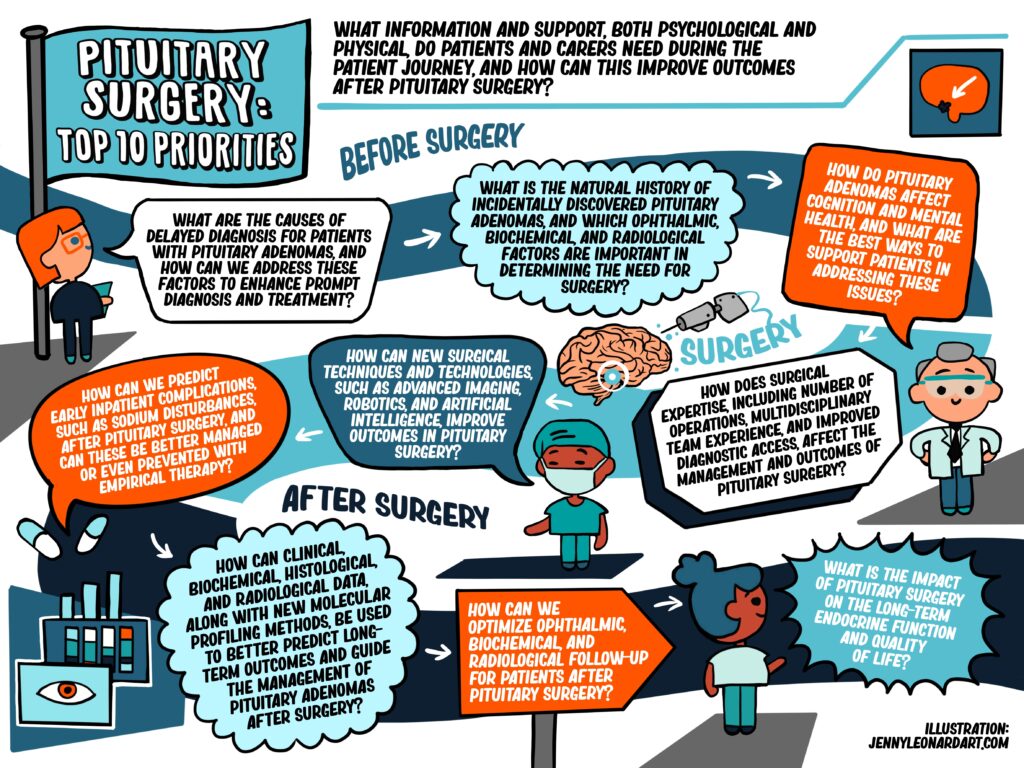
The researchers collected over 300 responses from people affected by pituitary tumours and healthcare professionals across 17 countries. The key themes emerging from the research include:
- Improving diagnosis and management to avoid delays
- Advancing surgical techniques and technologies
- Improving patient support and follow-up
- Optimising the prediction of outcomes and complications
We are very proud of having completed the first ever international study on setting research priorities in pituitary surgery. In my role as consultant endocrinologist and as a trustee and chair of clinical committee of The Pituitary Foundation, the UK national pituitary charity, I am acutely aware that we can achieve most when patients and clinicians work closely together. I am convinced that our study will lead to more patient centred pituitary research. - Prof Stephanie Baldeweg
To know more, you can read the full research article. The researchers also created a visual infographic that outlines the key findings from the research and how they relate to each stage of the patient journey, from pre-surgery through to post-op and long-term endocrine management. You can view this below.