





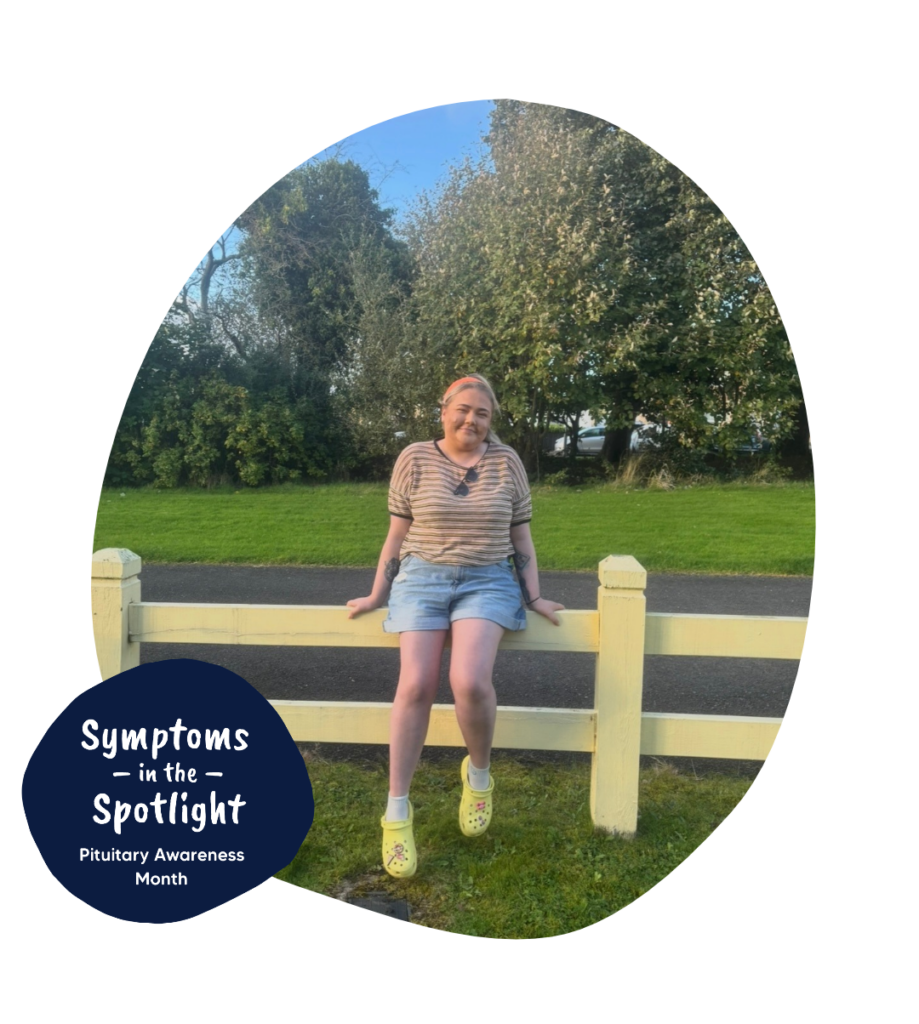
For our Pituitary Awareness Month 2026 campaign, ‘Symptoms in the Spotlight’, Faye shares her story. You can find out more about our campaign and read more of our community’s stories on our website here.
Hi, I’m Faye, and I’m currently in remission from Cushing’s disease, caused by a pituitary tumour.
Cushing’s disease is a rare hormonal condition caused by a usually benign tumour in the pituitary gland. The tumour causes the body to produce an excessive amount of cortisol, which can have an enormous impact on both physical and mental health and can become fatal if left untreated.
For me, one of the hardest parts of Cushing’s wasn’t just what it did to my body. It was what it did to the way I felt about myself and how I felt inside my own mind.
“For me, one of the hardest parts of Cushing’s wasn’t just what it did to my body. It was what it did to the way I felt about myself and how I felt inside my own mind.”
Going back to 2022 – I was 26, I had just graduated with a Psychology degree, bought my first home with my long-term partner and started a career helping people, which I absolutely loved. My life felt so bright.
My partner and I were talking about starting a family, but my periods had become extremely irregular. At one point, I went 13 months without one. I was advised that it was most likely due to having polycystic ovaries and that I needed to manage my diet better.
Over the next few years, I did exactly that. But despite eating well and staying active, I gained around four stone. I loved walking, swimming and water sports, and I spent lots of time outdoors. I was even a master of geocaching (if you know, you know!).

But my body continued to change. My face became increasingly round and puffy. I developed the classic Cushing’s “moon face”, my hair began falling out, and I developed muscle weakness and fat deposits around my neck.
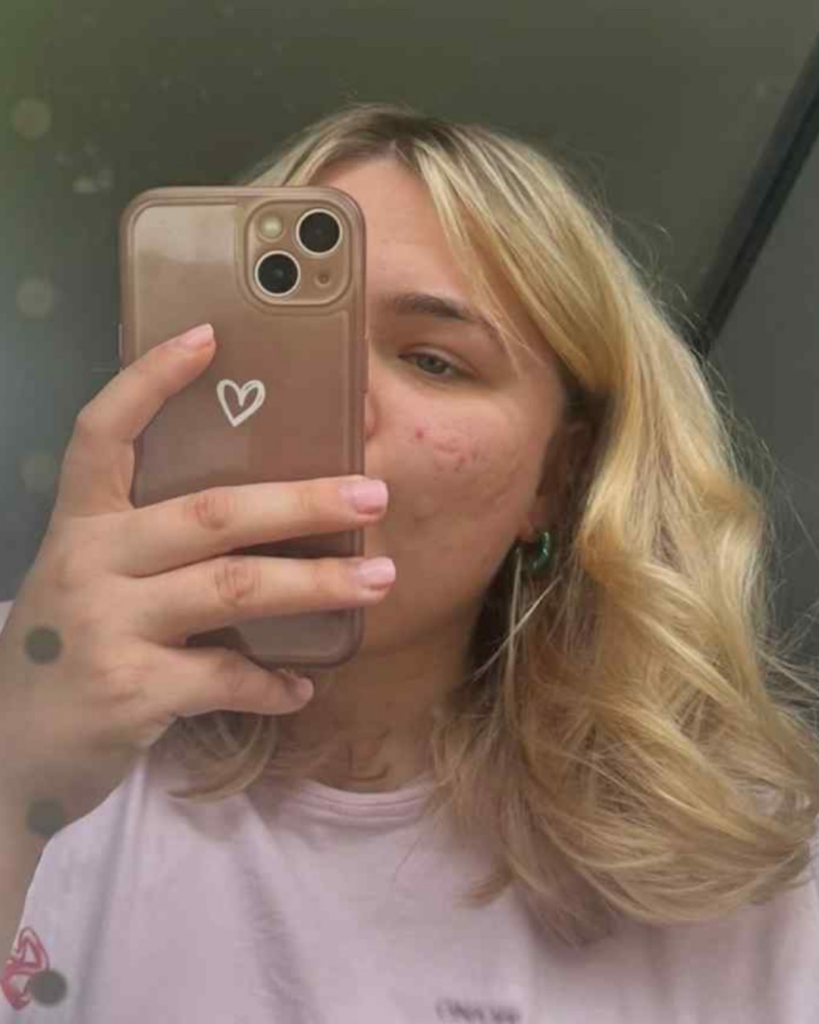
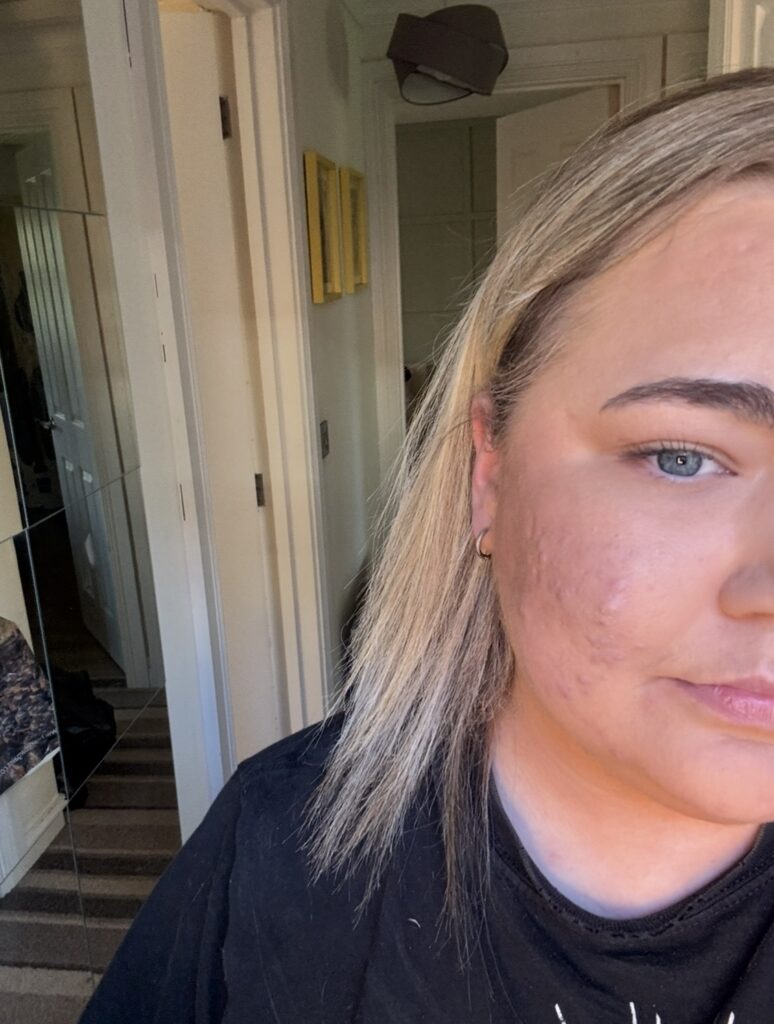
I continued going to the doctors and was told to eat better and exercise more. I felt like I was going insane.
“I continued going to the doctors and was told to eat better and exercise more. I felt like I was going insane.”
I was doing everything I thought I was supposed to do, but my body was changing in ways I couldn’t control. I started extreme dieting, while my legs became thinner and my upper body continued to grow.
Eventually, I stopped recognising myself in the mirror.
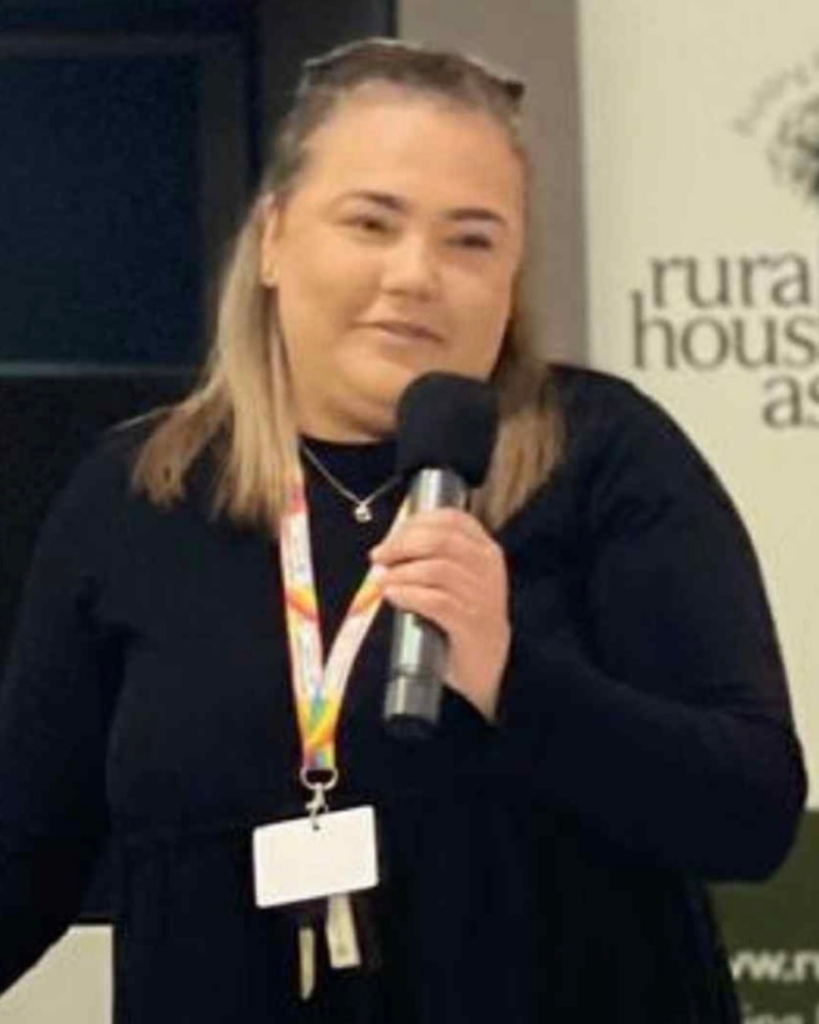
Fast forward to 2026. I had turned 30 and had just got engaged. I felt like it was supposed to be the happiest time of my life, but I was feeling extremely depressed and stressed.
By this stage, I had lost majority of my hair. My best friend has her own hair extensions business, and I had always jokingly apologised to her that I wouldn’t be able to give her any business because I had such thick hair. Suddenly, I was sitting in her chair having hair extensions fitted, wondering what was happening to my body.
I started to believe that perhaps I had caused this myself. I thought maybe I was stressed or burnt out. In March, I started counselling and left my job, intending to take a few months off to recover.
I had worked since I was 16, sometimes having two jobs while studying, so I genuinely believed I was simply exhausted and needed to slow down.
Looking back, my body was screaming out for help.
I spent those months swimming, walking my dog and spending time with family and friends, but I felt increasingly unwell. I was also becoming more depressed and struggling with my mental health.
Then, during a weekend away with my partner, something clicked.
I was sitting on the beach reading a book. I’m dyslexic, so I take a lot more time than others to read, but despite that, I have always enjoyed it. This time, though, it felt different. I realised I was struggling to read words that I knew I knew.
That experience made me realise that the changes weren’t just physical. Cushing’s can also have cognitive effects, including problems with memory, concentration and thinking, and I had noticed all of these things in myself.
Come June, I researched Cushing’s myself and asked my GP to test me.
The first thing he did was check my blood pressure. I will never forget the look on his face when he saw it: 180/120.
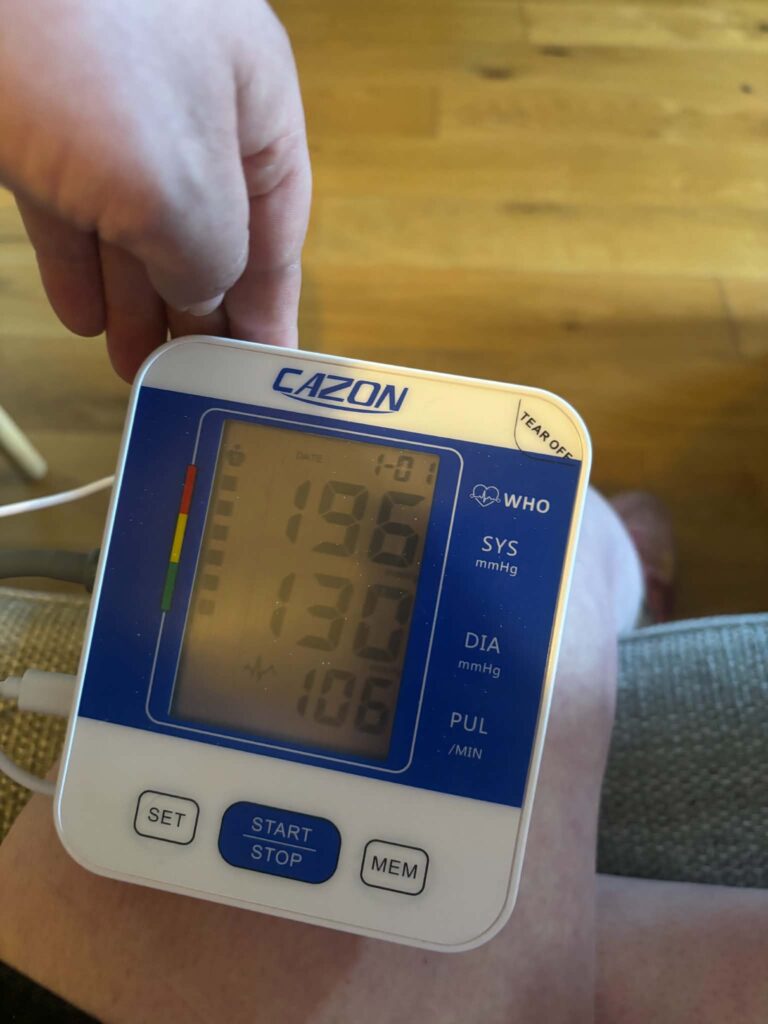
I was immediately referred to my local endocrinology team, who were incredible. Testing confirmed that I had Cushing’s disease caused by a pituitary tumour. One 24-hour urine test showed a cortisol level of around 2,000 nmol, compared with a normal level of around 180 nmol.

It is suspected that I had Cushing’s for a few years, but the weeks that followed my diagnosis were the most terrifying and difficult days of my life.
In July 2026, I was admitted as an inpatient in hospital. I spent the next five weeks there, where I underwent more tests and eventually had surgery to remove the tumour.
My mental health hit rock bottom while I was in hospital. I went from being an incredibly independent person to feeling like I could not function.
My surroundings began to feel different. I felt like I had my life ahead of me, and suddenly it had been stripped away from me, as though someone had pulled the rug out from underneath me and taken my life away. I couldn’t see a bright future ahead.
The cognitive effects have also been one of the hardest parts for me to understand and explain to other people. Prolonged excess cortisol can affect the brain, causing memory problems, decreased concentration and a constant feeling of brain fog.
I don’t think people realise how frightening it is to feel like your brain isn’t working in the way it used to, or in the way it should.
“I don’t think people realise how frightening it is to feel like your brain isn’t working in the way it used to, or in the way it should.”
I am now in remission, but I am living with adrenal insufficiency and taking hormone replacement medication. Essentially, this is the opposite of Cushing’s disease, as my body is currently unable to produce cortisol on its own. The hope is that my pituitary gland will eventually wake up and start working again, but this will take time.
I am still experiencing extreme fatigue and pain. I have had to learn that accepting help is not a sign of weakness and that recovery doesn’t happen overnight.
My partner, family and friends have been a huge part of helping me through this. I feel rich in life to have such a supportive circle around me.
As I am writing this, I am eight weeks into recovery and have had some positive improvements since reaching remission. My blood pressure returned to a healthy range immediately after surgery. I’ve lost around 8kg without trying, and my face is gradually becoming less puffy.
But one thing I wish people understood about Cushing’s is that remission doesn’t necessarily mean recovery.
Having excessive cortisol constantly can feel like poison, destroying nearly every aspect of your body. Even when the tumour has been removed, your body and mind need time to recover from the damage it has caused.
If I could give one piece of advice to anyone, it would be to listen to your own body. Nobody knows it better than the person living in it. If something doesn’t feel right, keep asking questions and don’t be afraid to advocate for yourself.
And if you’re struggling emotionally, please don’t underestimate that part of the illness. The changes to your body, your independence, your relationships, your work and even your ability to think and concentrate can be enormous.
You are not weak for finding it difficult.
When I took a career break in March, this wasn’t what I had in mind!
But I’m learning to take recovery one day at a time and to be kinder to myself along the way.
In July, I was crying in my hospital bed, convinced I would never work again or marry the love of my life. Eight weeks after surgery, I’m home, making wedding plans, and confident that I’ll be able to return to work again in the near future.
I’m nowhere near fully recovered, but I am miles ahead of where I was.
And there is light at the end of the tunnel.
Have you found this helpful?
If so, please support us to bring useful information to more people affected by pituitary conditions.