



As we get ready to launch our support group in Leeds, we hear from the new support group leaders Caroline and Jess about their pituitary journeys so far.
Caroline’s story
My problems began in about 2019 when I noticed that my periods were getting more and
more irregular. I run a lot and assumed that it was all due to overtraining. Eventually
though, it didn’t sort itself out and at the age of 37, I figured something wasn’t right.
Surely it was too early for the menopause!
Eventually I saw a GP who assured me that ‘some women don’t have periods’ and not to
worry. But I went back several weeks later and saw a different doctor, who ran a
pregnancy test; and again told me there was nothing to worry about. I wasn’t happy with
this advice at all.
So finally, after a couple more months, I saw a female GP with an interest in women’s
health, she explained that it could be a hormonal condition and advised that I needed a
blood test. The blood test showed that a hormone called prolactin was abnormally high.
I was then referred to an Endocrinologist and for an MRI. The MRI then showed a small
tumour on my pituitary glad. I hadn’t a clue what my pituitary glad was or what it did.
I eventually saw an expert Endocrinologist in Leeds, Dr Murray. He explained everything,
that had quite high prolactin and that this was abnormal and caused by the tumour. This
was the cause of the lack of periods all along.
Thankfully, I was advised that I could access a drug treatment and that this should sort
the problem out. I was started on the drug, Cabergoline, and I really hoped this would be
the solution I was looking for.
However, over the next few months and years it became increasingly apparent that it
didn’t work as well as it should; the tumour was still there and my prolactin was still high.
I was using Hormone Replacement therapy and felt that I was still too young for that.
Finally in November 2024, I was referred for Neurosurgery.
I waited some time for the operation; but eventually I had my surgery in the Leeds General
Infirmary in January of 2026. I had an expert Surgeon, Mr Nick Phillips and an excellent
team.
After the operation, I was advised that Mr Phillips had been able to remove most of the
tumour, and that this meant the operation was successful. I was sent home about 48
hours after the surgery.
However, I suffered serious complications after that, when I started to lose a lot of the
sodium from my body. This is called hyponatremia and it’s apparently a known risk with
this type of surgery. I was urgently readmitted this time to intensive care, and was cared
for by the amazing critical care team in the LGI. I really owe my life to some of them and
to my amazing husband Lee who brought me back to hospital in a terrible state; I was
barely conscious and I don’t remember any of it! My mum even flew in from Ireland so she
could sit with me in A&E whilst I was waiting to be readmitted.
My recovery has been a bit of a bumpy road, but it was really helped by some of the
fellow pituitary patients that I met along the way. So I decided to start this group in Leeds
and West Yorkshire so people can get together and natter about life with a pituitary
condition and give each other the mental and emotional boost that we all need when it
really gets tough.
I decided to start this group in Leeds
and West Yorkshire so people can get together and natter about life with a pituitary
condition and give each other the mental and emotional boost that we all need when it
really gets tough.
If you live in Leeds or anywhere in West Yorkshire; I look forward to meeting you very
soon at one of our meetings.
Jess’s story
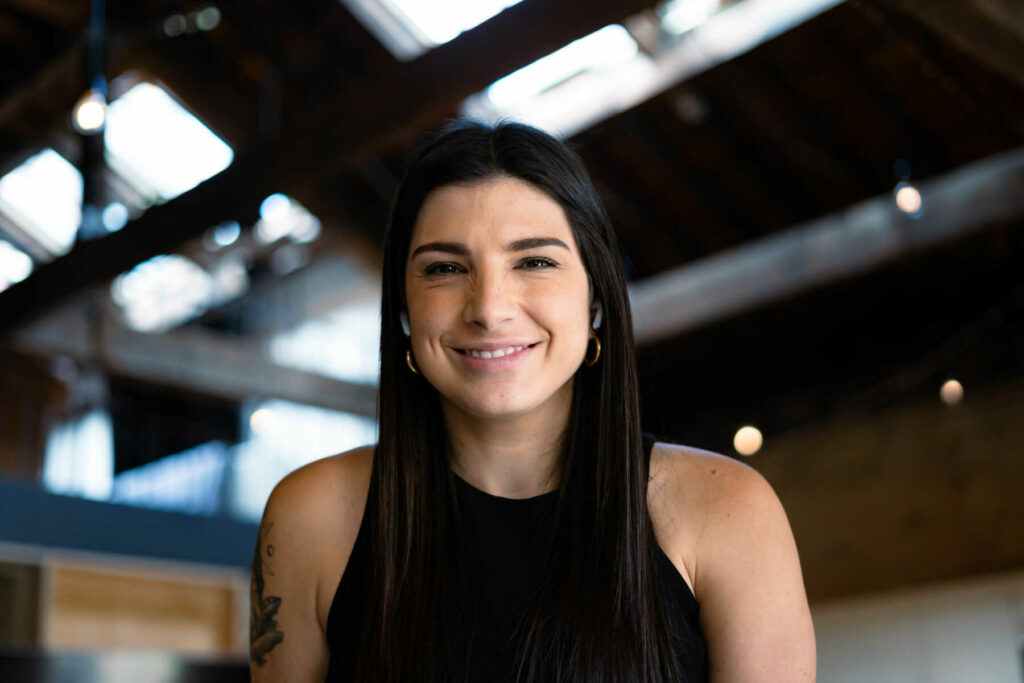
Hi, my name is Jess. I’ve volunteered with The Pituitary Foundation since 2024, and I’m excited to help with the new Leeds and West Yorkshire support group!
I know how important it is to meet other people who understand what it’s like living with a pituitary condition, so I hope we can develop a safe, welcoming space for people to find community and access support.
I’m looking forward to meeting and chatting with you all!
If you would like more information, please click on the button below.
Have you found this helpful?
If so, please support us to bring useful information to more people affected by pituitary conditions.