



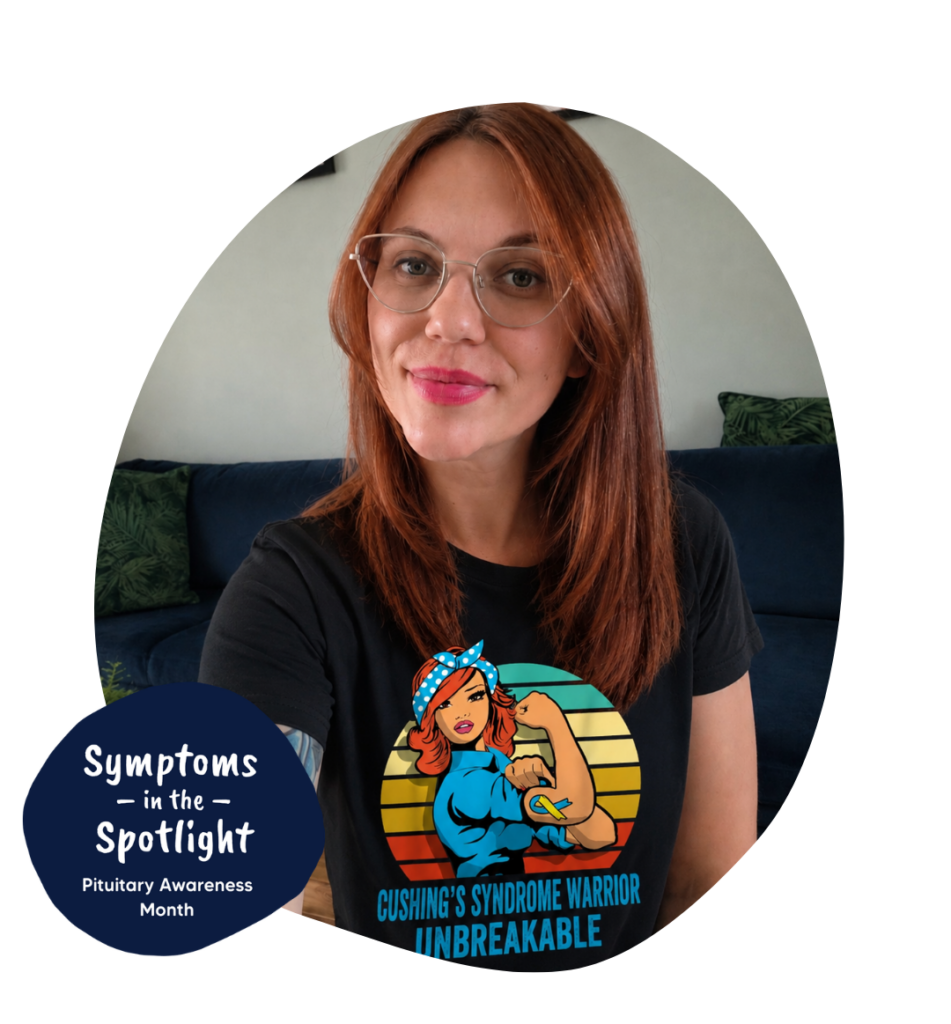
For our Pituitary Awareness Month 2026 campaign, ‘Symptoms in the Spotlight’, Weronika shares her story. You can find out more about our campaign and read more of our community’s stories on our website here.
Just over a year ago, I knew something wasn’t right with my body.
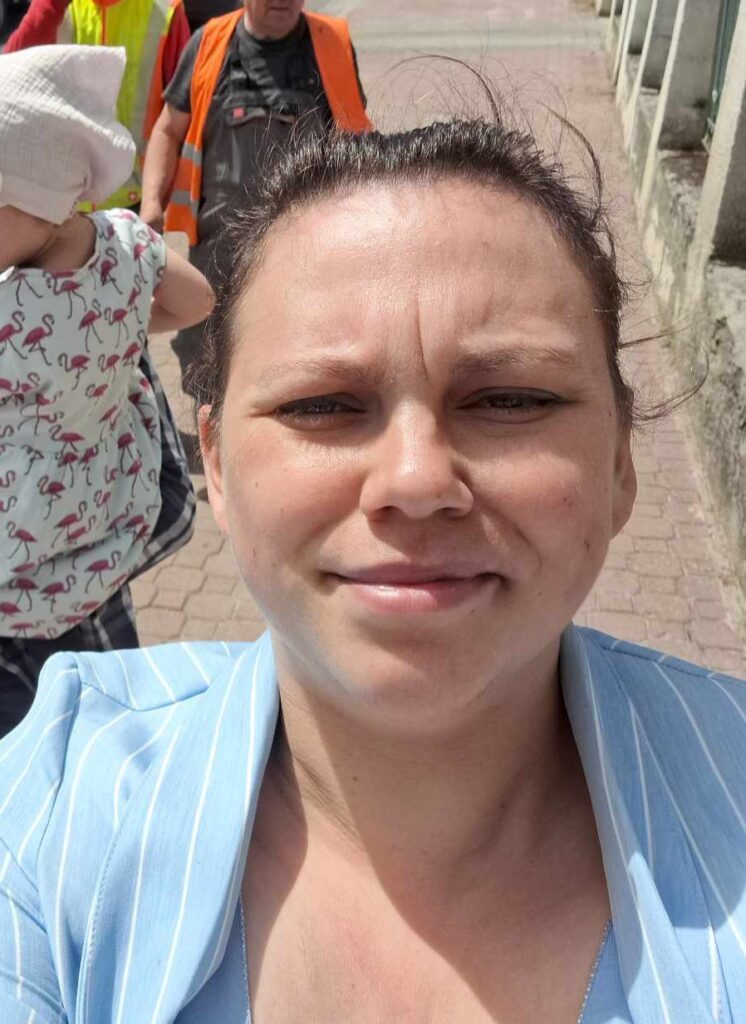
My face was becoming bigger and rounder, and at first I thought I had simply put on weight. I blamed myself. I thought maybe I needed to eat better or exercise more. I didn’t know that the person I was seeing change in the mirror was actually showing signs of a disease.
Then came other symptoms. I started experiencing heart palpitations and high blood pressure. I went to doctors looking for answers, but I was told it was probably stress.
The problem was, I didn’t feel stressed. My blood pressure remained high, so I was given more medication to control it, but nobody seemed to know why it was happening. Meanwhile, my body continued to change.
My journey to diagnosis lasted around a year. Eventually, one doctor decided to investigate further and arranged a dexamethasone suppression test. After more testing, I was diagnosed with Cushing’s disease.
Finally, I knew I wasn’t imagining what was happening to me.
But getting the diagnosis was only the beginning.
“Finally, I knew I wasn’t imagining what was happening to me. But getting the diagnosis was only the beginning.”
Doctors believed the Cushing’s was being caused by a pituitary tumour, but nothing was visible on my MRI. I had test after test, including a PET scan, but they still couldn’t locate it. Eventually, I underwent a specialised procedure called inferior petrosal sinus sampling (IPSS), where catheters were guided through veins in my groin to take blood samples from veins close to my pituitary gland. The results confirmed that the source of the Cushing’s was my pituitary.
The tumour was there. We just couldn’t see it. Because it wasn’t visible on the scans, it was thought that it might be extremely small. In January, I underwent brain surgery believing that the surgeons would find this tiny tumour, remove it, and I could finally start getting my life back.
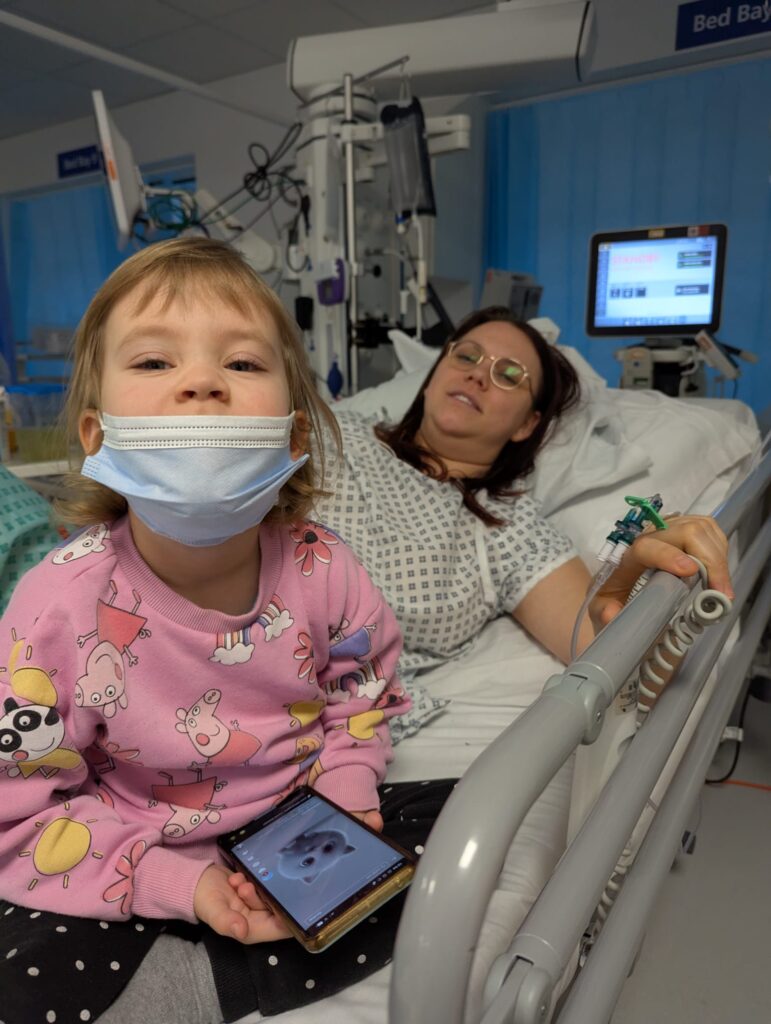
When I woke up, everything had changed. The tumour hadn’t been invisible because it was tiny. I was told it was much more extensive than expected and had grown around my pituitary gland. To remove it completely, my surgeons had to remove my entire pituitary gland.
I had gone to sleep expecting to have a small tumour removed.
I woke up without a pituitary gland.
“I had gone to sleep expecting to have a small tumour removed. I woke up without a pituitary gland.”
Learning to live differently
After surgery, recovery was harder than I could ever have imagined.
One of the first things I remember was extreme thirst. I was drinking around five to seven litres of water a day, but I couldn’t satisfy it. My body suddenly felt completely unfamiliar.
I also had to learn how to walk again.
Those first steps were exhausting. Every day, I challenged myself to go just a little further than the day before. Slowly, a few steps became a few more, then longer walks.
Today, I can run.
“I also had to learn how to walk again. Those first steps were exhausting. Every day, I challenged myself to go just a little further than the day before. Slowly, a few steps became a few more, then longer walks. Today, I can run.”
I now live with panhypopituitarism, which means my body can no longer produce the pituitary hormones it needs normally. I depend on lifelong hormone replacement medication and I’m still learning how to manage it.
There are medical rules and sick-day guidance to follow, including when my cortisol replacement may need to be increased when I’m unwell. But I’ve learned that managing a lifelong condition isn’t always as simple as following instructions on a piece of paper. You also have to get to know your body again—what feels normal for you, what doesn’t, and when you need help.
I’ve already experienced two crises, which has shown me how serious this condition can be. I’m still learning, and I think I always will be. But I refuse to let fear become my life.
The part people don’t always see
For me, one of the hardest parts of Cushing’s was the change in my appearance and what it did to me emotionally. My face had become rounder and bigger, and before I knew I was ill, I thought it was my fault.
I stopped recognising myself. I didn’t want photographs taken. I worried about what other people thought when they looked at me. I felt embarrassed and ashamed, and because of that, I didn’t want to tell people what I was going through.
It became incredibly lonely. That’s something I wish more people understood about appearance changes caused by Cushing’s. It isn’t “just putting on weight.”
Behind the physical changes can be fear, confusion and a huge loss of confidence. You can look in the mirror and feel as though you’ve lost the person you used to be. One of the biggest lessons I’ve learned is to be kinder to myself.
My body wasn’t failing me because I wasn’t trying hard enough. It was fighting an illness I didn’t even know I had. Now, rather than judging my body only by how it looks, I try to remember what it has survived.
“Now, rather than judging my body only by how it looks, I try to remember what it has survived.”
Finding myself again
My life is different now, but different doesn’t mean that it can’t still be amazing. Every day, I choose to keep going with a smile on my face. One of my biggest sources of strength is my daughter. She gives me energy and reminds me why I keep moving forward, even on the difficult days.
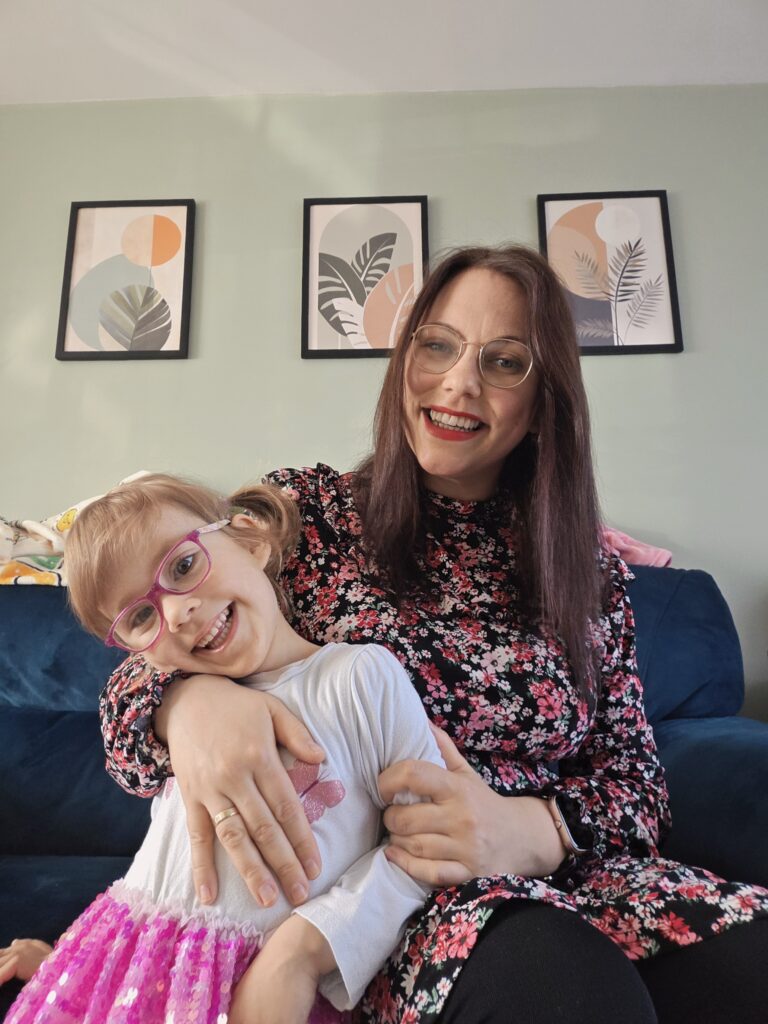
I’ve also started developing myself again.
I’ve returned to what I love most—helping people grow, build confidence and reach their potential. I’m now completing a mentoring apprenticeship so I can develop myself further and support other people with their career development.
After everything I’ve been through, helping others means even more to me.
The Pituitary Foundation has also been an important source of support. When I was trying to understand a rare condition that had completely changed my life, having access to reliable information helped me feel less frightened and less alone.
If I could give one piece of advice to someone struggling with the same symptoms, it would be this:
Learn about your condition, listen to your medical team, but also learn to recognise your own body. Ask questions. Speak up when something doesn’t feel right. And please be kind to the person you see in the mirror.
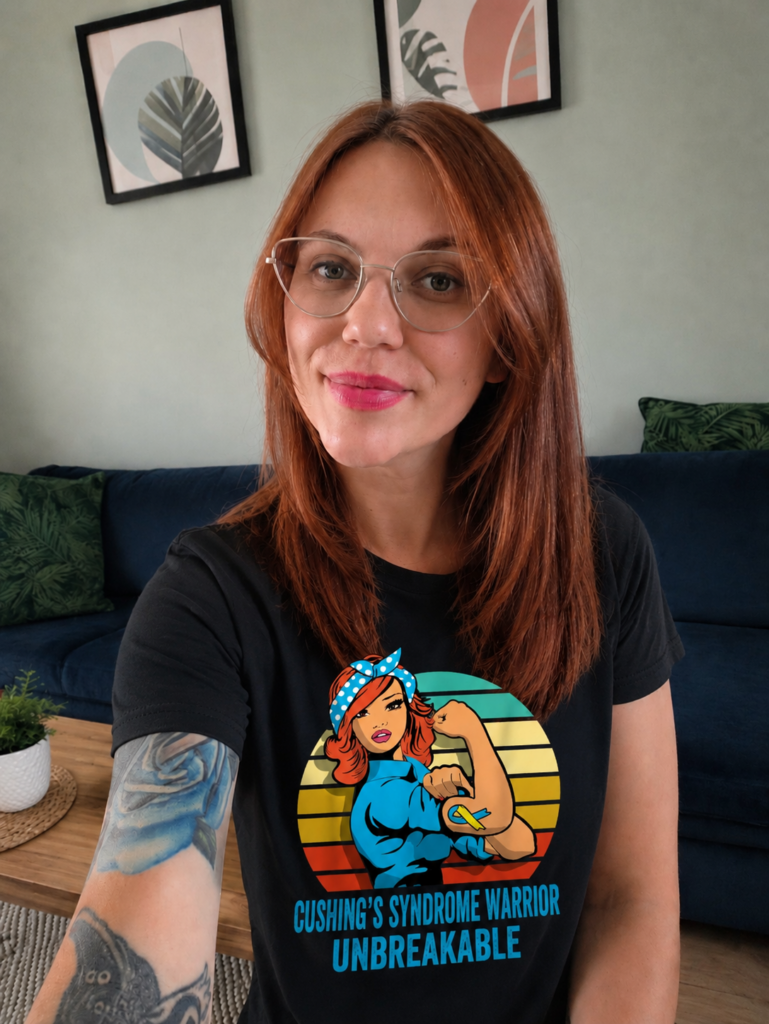
Recovery doesn’t always mean becoming exactly who you were before. Sometimes it means discovering who you are now. There was a time when I looked in the mirror and saw everything Cushing’s had taken from me. Today, I see something different.
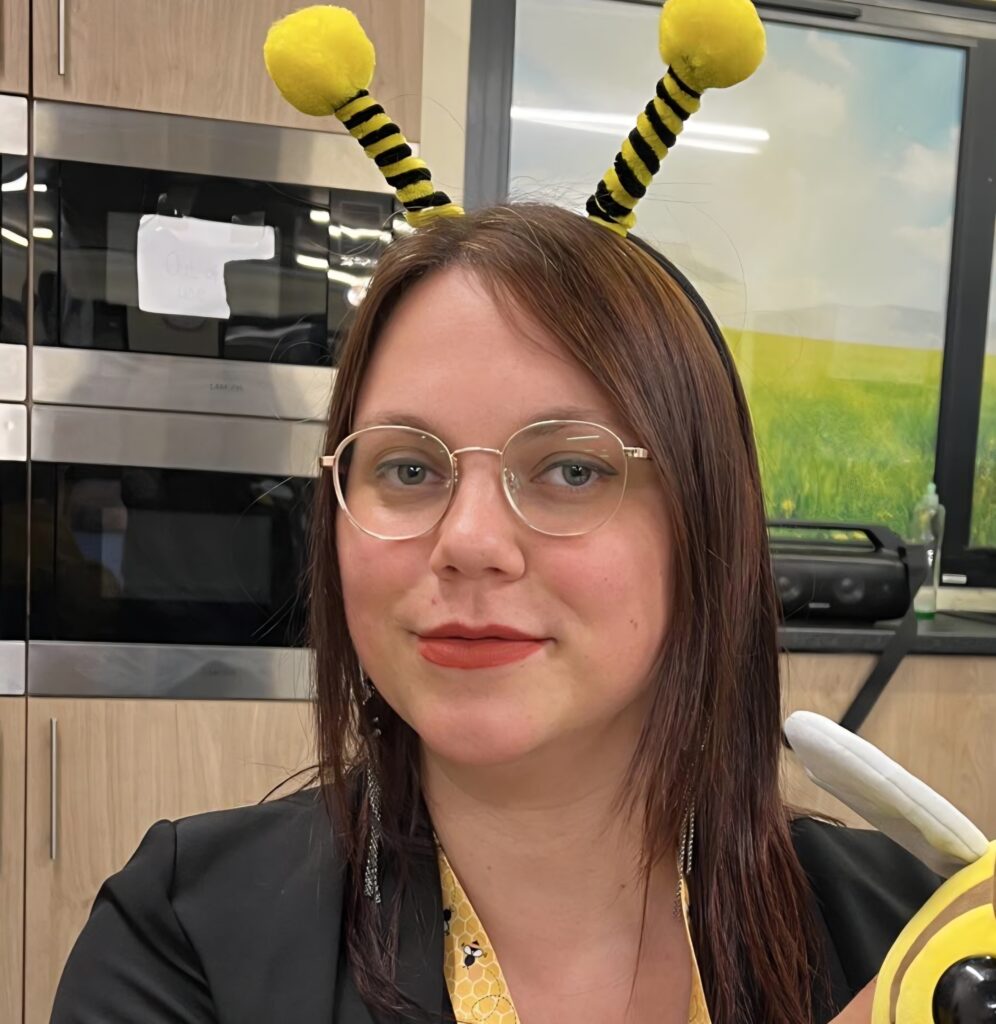
I see a woman who kept searching for answers. A woman who went through brain surgery and learned to walk again. A mum who keeps going for her daughter. A woman who is still learning how to manage a lifelong condition, but who is also running, developing herself, building her career and helping other people develop theirs.
I’m not ashamed anymore.
I’m sharing my story because if one person with Cushing’s or another pituitary condition reads this and feels less alone, then sharing it is worth it. My life didn’t end when I lost my pituitary gland. It changed.
I keep going—differently, but still amazingly. ❤️
Have you found this helpful?
If so, please support us to bring useful information to more people affected by pituitary conditions.