




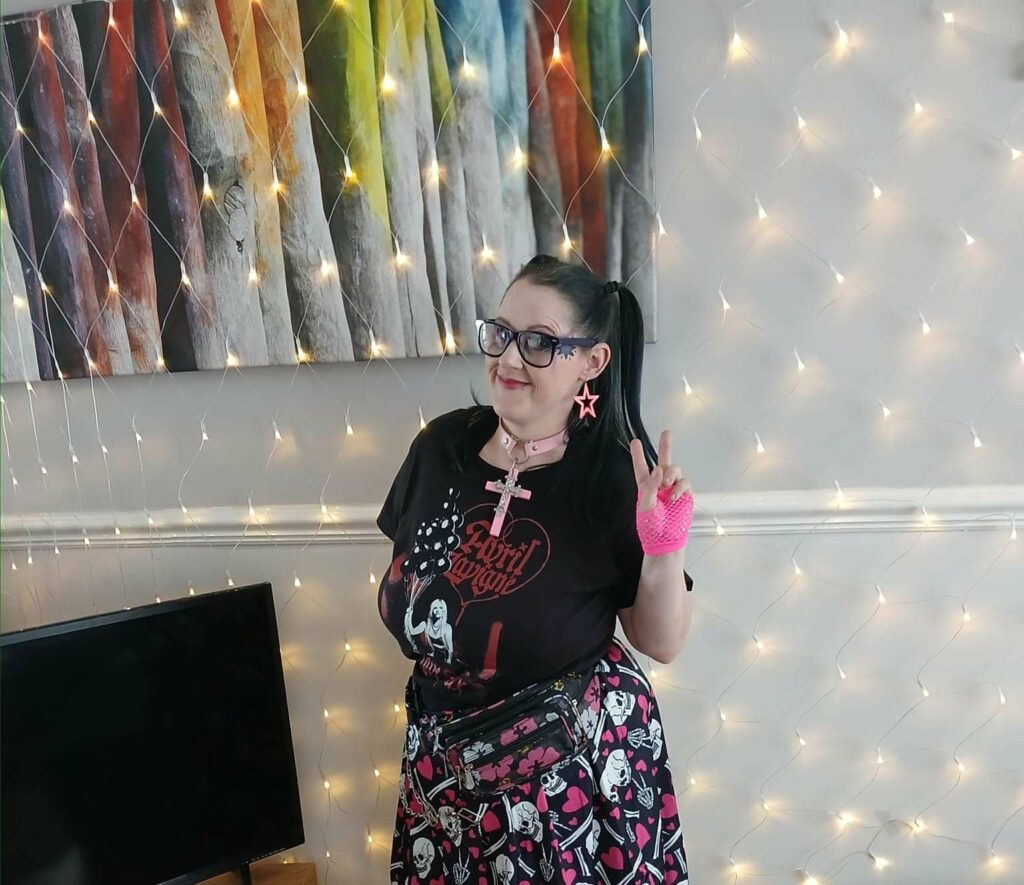
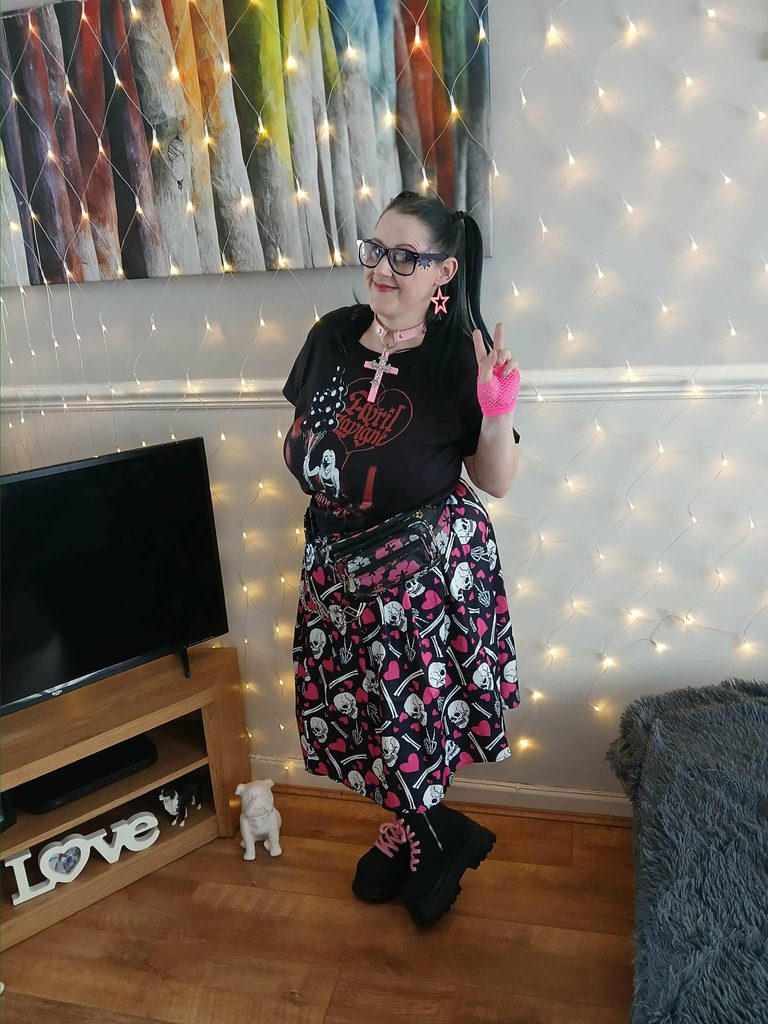
Hello, my name is Leisha Harris and I have septo-optic dysplasia with panhypopituitarism. In this rare case, one illness has caused the other.
My story:
Background (rushed into hospital)
I was diagnosed at the age of 16, after being rushed through the hospital corridors in my mother’s arms, because I had vomited undigested food and I was as pale as snow. I was used to being unwell when I was younger, but this time I was scared. This time it felt like it was the end, and as a 16 year old girl, I really thought it was. I relied heavily on my mum for my care needs even at this age, so as I watched her talk to the doctor I could see how scared she was too. The doctor could not give her a definitive answer regarding what was wrong with me. I had pneumonia, and was pale. They had to put a few cannulas in as my veins kept collapsing.
Symptoms and early signs
I suffered a lot as a kid. My immune system was very weak and I was very underweight and had delayed growth. I would catch infections very quickly and some days I just could not get out of bed. My mum would have to carry me to the toilet as i was too weak to walk on my own. I had visual problems and balance issues, sleep disturbances. All signs of the disease because they were and still are so rare that we had no idea about them, even rarer because one had caused the other. I had sore muscles and was sensitive to the cold.
I suffered and still do suffer from depression and anxiety which comes and goes. Learning difficulties, etc. each day was a different kind of challenge and for my mum who tried so hard to get the attention of professionals to find out why I was always sick. It was strange because my other brother and sisters were in good health at the time, which raised more concerns. I had no idea I was suffering from 2 rare diseases that could end my life if not cured, and it did almost kill me.
Diagnosis
Back to the hospital room I was in at 16. So I’m sitting in the hospital room confused and scared when the doctors came in to talk to mum. They said I had pneumonia. The doctors were confused as I wasn’t only showing symptoms of pneumonia, they were confused so took a look at my medical history. They could see that I was a frequent visitor to the doctors for different things.
They ran so many tests and couldn’t understand what my body was doing. This went on for years before. They couldn’t understand why I had not grown more for my age. Why I was underweight, and not started puberty. Fast forward a bit and an endocrinology nurse was in contact about my case and became curious and wanted to run some tests.
Treatment
I was diagnosed and treated with these 2 conditions. They explained that septo-optic dysplasia had caused panhypopituitarism. They said I had an underactive thyroid. I had brittle bones which they said was caused by coeliac disease. I was told I was adrenal insufficient, which means that I don’t produce enough cortisol, which explains the fatigue and weakness, and weight loss too. I was also told I had an underactive thyroid which explains why my body was shutting down and why I felt the cold a lot and also why I find it hard to concentrate.
They started me on levothyroxine and hydrocortisone, and also genotropin which is a growth hormone replacement therapy, which produces the hormones my body needs for growth and development.
Life after treatment
The short answer is I will be on this medication forever, and of course, I have my levels checked and adjusted when needed. On my good days, I do go to work as a healthcare support worker. I do have days when I really can’t physically get up and go but I take extra hydrocortisone, when needed. There will never be a life after treatment, there is just living with it.
I rely on my medication and they save my life every day, and even at work the staff I work with say “wow that’s a lot of medication, I couldn’t do it” and I reply “you get used to it” which is a lifestyle at this point. I do still have days where I feel all of the old symptoms and it makes me anxious, I try to calm myself and I’m trying to breathe for longer periods when I’m most anxious.
Anxiety and stress and other factors can cause adrenal shock which can also be fatal so I try to keep my mind occupied and try not to think about these things too much. It can be a struggle and there are days I really can’t mentally take on my thoughts and sit and breathe, those days I dread the most.
Challenges and support
As mentioned above there have been challenges, but if I were to think back on when I was 16, a scared sick child who didn’t know what was next, if I would even live, the doctors even said it was a miracle I was still alive. My body had gone through enough and was dying, I was also giving up.
I was a happy child all things considered and I took comfort in my mother’s arms, but also in my dolls and Polly Pockets, even at the age of 14, it was a comfort of mine. I don’t see my illnesses as challenges anymore because I have some control these days. On the rare occasion I feel unwell I just cuddle up in my bed and go have a cuddle with my mum and I know I am safe.
Advice time
If I were to give advice it would be to make the most of the good days and be grateful for them. Ask for help if you need it and be comfortable in yourself and learn to love your illnesses, I know it sounds strange, but they are what make us extra special. I want people to know that it’s okay to be different because it’s what makes us unique.
These days I do live quite a normal life but again that varies day to day depending on stress levels and other factors which I have to monitor as stress can lead to an adrenal crisis, which can be life threatening. Get to know your body and what works for you, and last of all never stop trying to fight whatever it is you’re going through in life, as long as you keep trying, you cannot fail.
I was born with a deformed optic nerve, hence why I am blind on my right eye and partial sighted on left eye. My illnesses have made some issues with mobility which I do struggle with on days. I do suffer with asthma and coeliac disease, so does make it hard on days but I always smile and I know I can push through it because I am so lucky to be alive and am grateful to be able to say what I have been through and all the hospitals visits before and after diagnosis. I have been fortunate enough to have a very understanding family and partner who knows when I need help and when I need to take extra meds. Last bit of advice is to keep smiling.
Have you found this helpful?
If so, please support us to bring useful information to more people affected by pituitary conditions.