



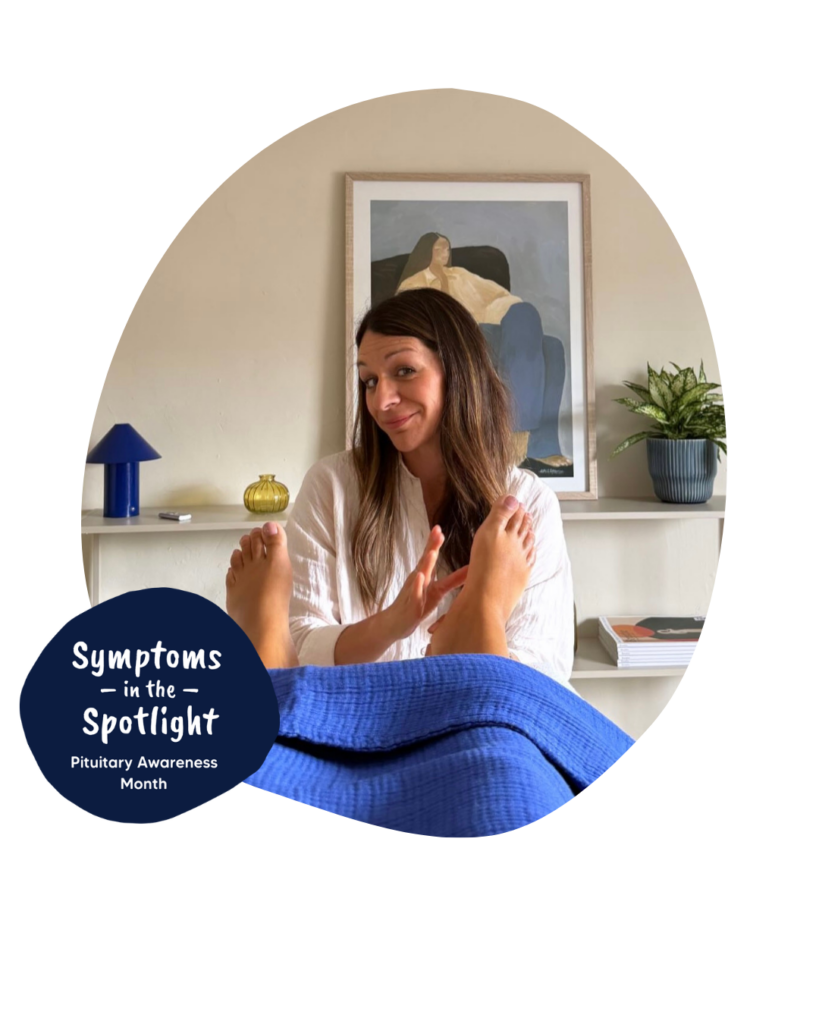
For our Pituitary Awareness Month 2026 campaign, ‘Symptoms in the Spotlight’, Chrissy shares her story. You can find out more about our campaign and read more of our community’s stories on our website here.
The friend who spotted it – my acromegaly story
When people ask how I came to be diagnosed with acromegaly, I tell them the truth: I got extraordinarily lucky in my friends.
Back in 2010, a close friend of mine had been through Cushing’s disease – another rare pituitary condition. So when my own body started changing in ways I couldn’t explain, she was the one who noticed. My hands and feet were growing. I felt bloated and, honestly, ugly.
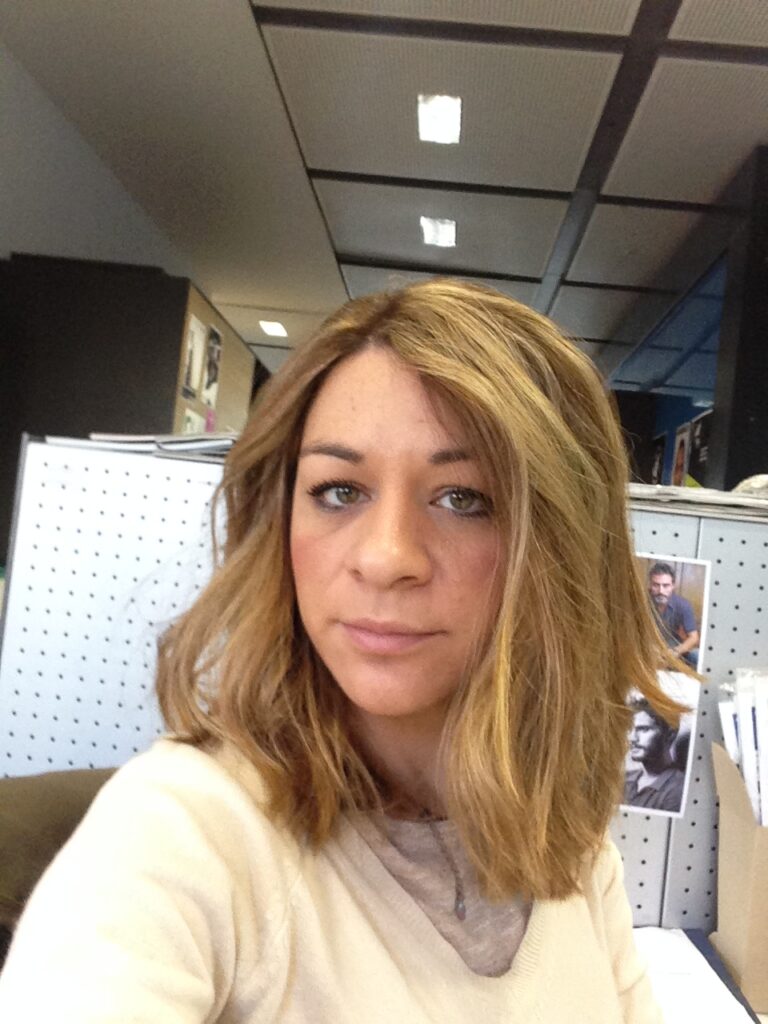
My periods had disappeared and I’d developed carpal tunnel syndrome. I’d already been diagnosed with PCOS, so it would have been easy to fold everything into that. But my friend looked at me and quietly suspected something more. She came with me to King’s College Hospital, and in December 2013 I was diagnosed with acromegaly. I’ll never forget the gynaecologist and endocrinologist, wide-eyed, realising they had two friends sitting in front of them with two different rare pituitary conditions. What are the odds?
The path after diagnosis was longer and bumpier than I ever expected. I had surgery in March 2014 – a total resection, done through my nose, with zero complications. On paper it was a complete success. But it didn’t cure me.
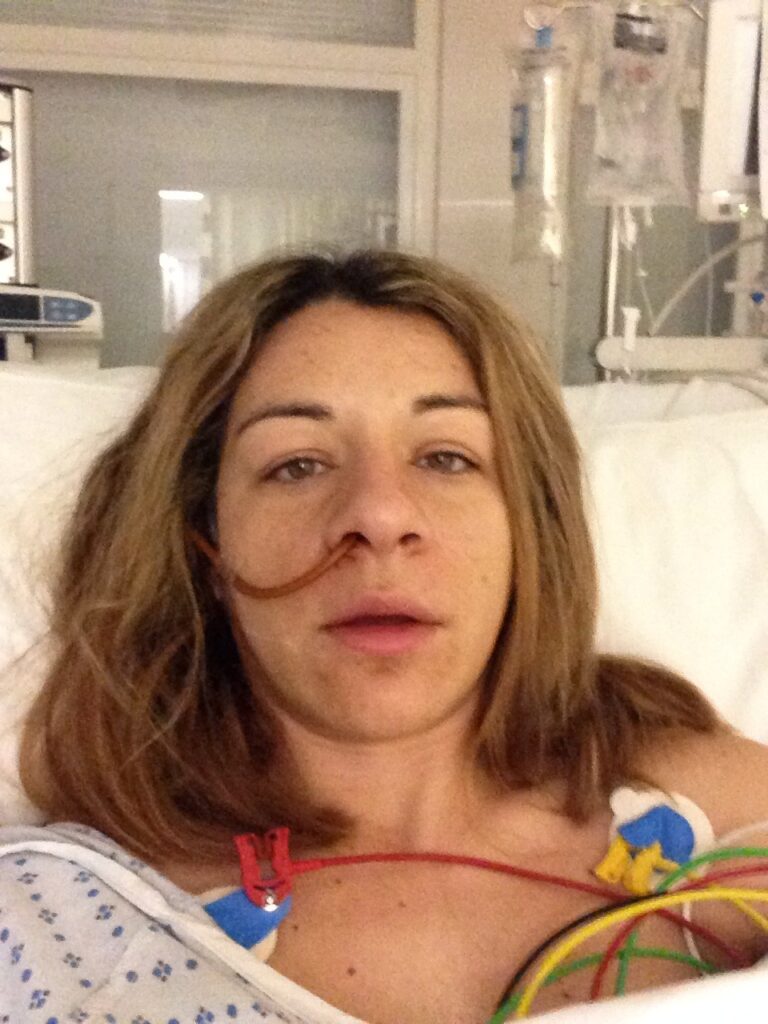
My IGF-1, the blood marker they track in acromegaly, stubbornly stayed just above the normal range, and yet no tumour showed up on my scans, so both a second surgery and radiation were ruled out. What followed was years of trial and error. A trial of octreotide did nothing. A year of Somatuline injections – nothing. Then a year on cabergoline tablets, seemingly nothing either… until they asked me to stop for three months and my IGF-1 promptly shot up. So it had been quietly working all along; we simply couldn’t see it. I titrated back up, and just this week – after two months on the full dose – a letter arrived to say my IGF-1 is finally down to 29nmol/L, the very top of normal for my age. After all these years, fingers tightly crossed, I can hardly believe it.
What that timeline doesn’t capture is how it has felt to live in this body day to day. Some of it is physical: my jaw grew, so my bite no longer meets properly and chewing is a daily nuisance, and the surgery through my nose left me with chronic sinus pain. But the parts that have asked the most of me are the quieter ones. I was fit and active before surgery, and afterwards the motivation simply evaporated – not laziness, but a bone-deep fatigue that made exercise feel impossible. Low energy became the baseline I had to plan my whole life around.
And then there is the emotional weight, which I don’t think I truly appreciated until I was inside it. Hormones that are out of balance don’t just affect your body; they reach right into your mood, your patience, your sense of being able to cope. I became far less resilient to stress than I used to be – smaller things could tip me over. It may well have pushed me into an early perimenopause too, which layered its own tiredness and low mood on top. For a long time I felt as though I was carrying something invisible that no one else could see, and being so exhausted made it that much harder to think clearly and stay steady.
Over time I’ve learned to manage it rather than fight it. Simple, unglamorous things help most: saline nasal rinses for my sinuses, cutting right back on caffeine, sugar and alcohol, and – above all – living a slower, simpler life than I used to. I stopped trying to run at my old pace and let my days have more room in them.
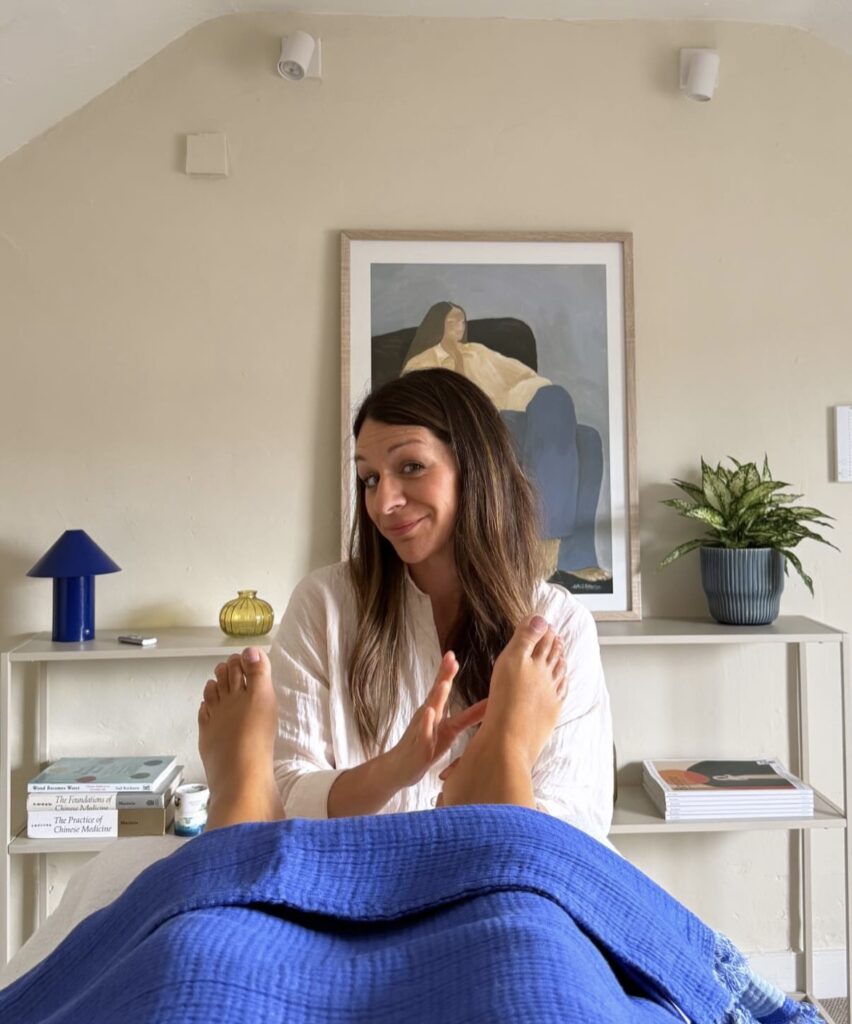
Support has made all the difference. I’m on HRT now, which has genuinely lifted my mood. I have regular reflexology treatments, which carried me through my pre-surgery anxiety and then through my recovery – they moved me so much that I trained as a reflexologist and moved to the Cotswolds to set up my own clinic, now working with other women navigating stress and hormonal health. It’s the calling I found in all of this. The pituitary investigation unit nurses were brilliant, chasing doctors for my blood results when I couldn’t. The Pituitary Foundation’s helpline has been there for me to ask, quite literally, anything. And the Acromegaly Facebook support group was key – hearing other people describe my own experience back to me was more reassuring than any leaflet ever could be.
If I could pass anything on, it would be this: talk about it. Tell your friends and family what acromegaly is and what you’re feeling – awareness is everything, and it was a friend’s awareness that got me diagnosed in the first place. Don’t be ashamed, and don’t hide your feelings. Change your lifestyle where you can, and invest in your holistic health alongside modern medicine, because you are not a list of symptoms – you’re a human being with a fragile nervous system that is carrying an awful lot.
And the one thing I wish people knew? A diagnosis was the moment someone finally confirmed it really was “all in my head” – and that I wasn’t going mad after all. That was so validating. Surgery, too, turned out to be far less frightening than I’d built it up to be. Acromegaly has been a cloud over my life, but it has had a genuine silver lining: without it I would never have found my calling or changed my life so completely for the better. I wouldn’t wish it on anyone. But I am quietly grateful for what it has taught me about my body, and about how to look after it.
Have you found this helpful?
If so, please support us to bring useful information to more people affected by pituitary conditions.