




With hotter temperatures becoming more common, it’s now more important to know how to look after yourself in the heat. If you have a pituitary condition, there may be extra things you need to consider to stay safe. This guidance is written for people living in the UK. The guidance may be different if you live elsewhere.
In particular, if you have adrenal insufficiency or AVP deficiency (previously diabetes insipidus), you should take extra steps to stay well during heatwaves.
For general guidance on managing heatwaves, see the NHS page on heatwaves and coping with hot weather.
What are the main risks of heatwaves?
- not drinking enough water (causing dehydration)
- overheating
- heat exhaustion
- heatstroke
Heat stroke is a serious medical emergency. You can read more about heat stroke on the NHS website.
Who is most at risk of falling ill from heatwaves?
A heatwave can be dangerous for anyone, but some people are more vulnerable than others. This includes:
- people with serious long-term conditions
- older people, especially those over 65
- babies and young children aged 5 years and under
- people with mobility problems
- people with serious mental health problems, or drug or alcohol addictions
- people on certain medications, including those that affect sweating and temperature control
- people who are physically active, for example labourers or those doing sports
- people who live alone and may not be able to care for themselves
Extreme heat can be more dangerous for people with some pituitary conditions.
Am I more at risk from hot weather if I have a pituitary condition?
People with certain endocrine conditions may be more at risk to the health impacts of hot weather. Hot weather can cause you to lose water and/or salt from your body, which can be dangerous for people with conditions like AVP deficiency, AVP resistance or hyperthyroidism. If you do not have a normal thirst sense (adipsia), you are particularly vulnerable.
Hotter weather can be dangerous for many reasons, not just because of higher temperatures. Humidity, time spent in the heat, direct sunlight, physical activity and how acclimatised you are to the heat can all change how hot weather impacts you.
In general, you may be most at risk during times of prolonged heat exposure, particularly when this causes you to sweat a lot more than normal. If there are government alerts in place for hot weather, this indicates high-risk times and care should be taken to stay safe.
What should people with AVP deficiency do during heatwaves?
During high temperatures, your body will lose more water than normal through sweating. Often, you lose a lot more water than you might expect. It is important to avoid losing too much water, as this can lead to dehydration, which can be especially dangerous for people with AVP deficiency.
You should always make sure you listen to your thirst and drink when you need to. Drinking when you’re thirsty can help stop you from becoming dehydrated during hot temperatures. The only time you should not drink to thirst is if you have been told otherwise by your endocrine team.
What if I don’t have a normal thirst sense?
Some people with AVP deficiency do not have a normal sense of thirst. If you take desmopressin (also known as DDAVP) for your AVP deficiency, this can impact your normal sense of thirst. If this is the case, it is important to closely watch your fluid intake to make sure you are drinking enough. You can do this by monitoring how much fluid you take in by drinking, and how much you lose by weeing.
If you have fluid prescription, this may need adjusting during hot weather. You may also need to have your body weight and/or sodium levels closely monitored. Any changes to your fluid intake should be agreed and monitored by your endocrine team.
Children in this situation are particularly vulnerable, and parents should consult their paediatric endocrine team if they are concerned about their child (or paediatric A&E if out-of-hours).
Do I need to change how much desmopressin I take during hot weather?
No, you should not need to change how much desmopressin you take. If you have questions about this, you can speak to your endocrine team or our Nurse Endocrine Helpline.
Other things you should do to stay safe
- Stay cool by staying indoors during the hottest part of the day (between 11 am and 3 pm)
- If possible, avoid doing too much (like exercise or physical labour) during hot periods
- Know the signs of dehydration and what to do if you experience them
- Tell your friends and family what signs to look out for (significant or unexpected changes in weight or urine output, signs of dehydration) and to contact the endocrine team if this happens
What are the signs of dehydration?

People with AVP deficiency are more at risk of dehydration and hypernatraemia, where salt levels in the blood become too high. If you have symptoms of dehydration and have AVP deficiency, you should seek medical help.
Symptoms of mild dehydration:
- headache
- tiredness
- irritability
You should speak to your GP or seek medical help if you have these.
Symptoms of serious dehydration:
- vomiting
- loss of appetite (not hungry)
- cramps
- muscle spasms
You should go to hospital if you have these symptoms.
Call 999 if seizures or convulsions occur.
What should people with adrenal insufficiency do during heatwaves?
If you have adrenal insufficiency, then you should follow our Sick Day Rules guidance as usual. Hotter temperatures can put extra strain on your body, so it is really important to follow the Sick Day Rules if you are ill, stressed or injured.
You should also make sure to drink lots of water during hot weather to stay hydrated.
Do I need to increase my steroid dose during hot weather?
It is not recommended to increase your steroid dose during hot weather. However, hot weather does put extra strain on your body, so it is even more important to know and follow the Sick Day Rules if you do become ill or injured.
It is important to know that hot weather can also cause illnesses that mean you need to follow the Sick Day Rules. Heat exhaustion can cause headaches, high temperatures and vomiting. A lot of the symptoms of heat exhaustion are the same as an adrenal crisis, and vomiting caused by heat exhaustion could also lead to an adrenal crisis. Therefore, it is very important to stay safe and avoid heat-related illness if you have adrenal insufficiency.
You can read more about heat exhaustion and heat stroke on the NHS website.


Medication storage
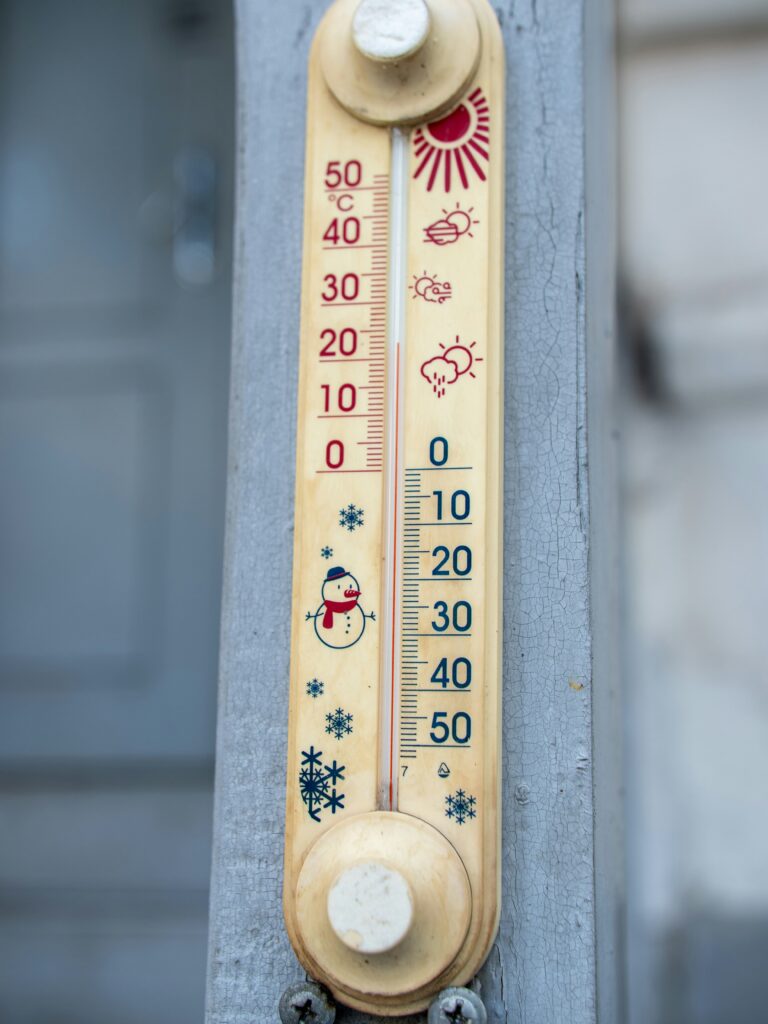
Medicines that must be stored in a fridge may deteriorate in a heatwave if the fridge does not keep the medication cool enough. Most fridge-storage medicines need to be kept between 2-8°C, so the temperature control in your fridge may need to be adjusted during a heatwave to meet this requirement.
For medicines that are not normally stored in a fridge, manufacturers generally guarantee that they remain stable if stored below 25°C. In a heatwave, ambient temperatures may rise above this. To protect these medicines, store them somewhere cool and out of direct sunlight (but not in the fridge). Avoid places that get very hot, such as in cars, or on sunny windowsills. It is important to store them out of the sight and reach of children.
If you notice a change in your medication during the heat (e.g., tablets disintegrate or creams change texture) then it may be best to get a replacement.
Tips for coping in hot weather
The following advice applies to everybody when it comes to keeping cool and comfortable, and reducing health risks:
- Shut windows during the day to keep hot air out. Keep curtains and blinds closed during the day to stop rooms heating up. You can open windows during cooler times to let cool air in
- Avoid the heat: stay out of the sun and don’t go out between 11am and 3pm (the hottest part of the day) if you’re vulnerable to the effects of heat
- Keep rooms cool by using shades or reflective material outside the windows. If this isn’t possible, use light-coloured curtains and keep them closed (metallic blinds and dark curtains can make the room hotter)
- Have cool baths or showers, and splash yourself with cool water
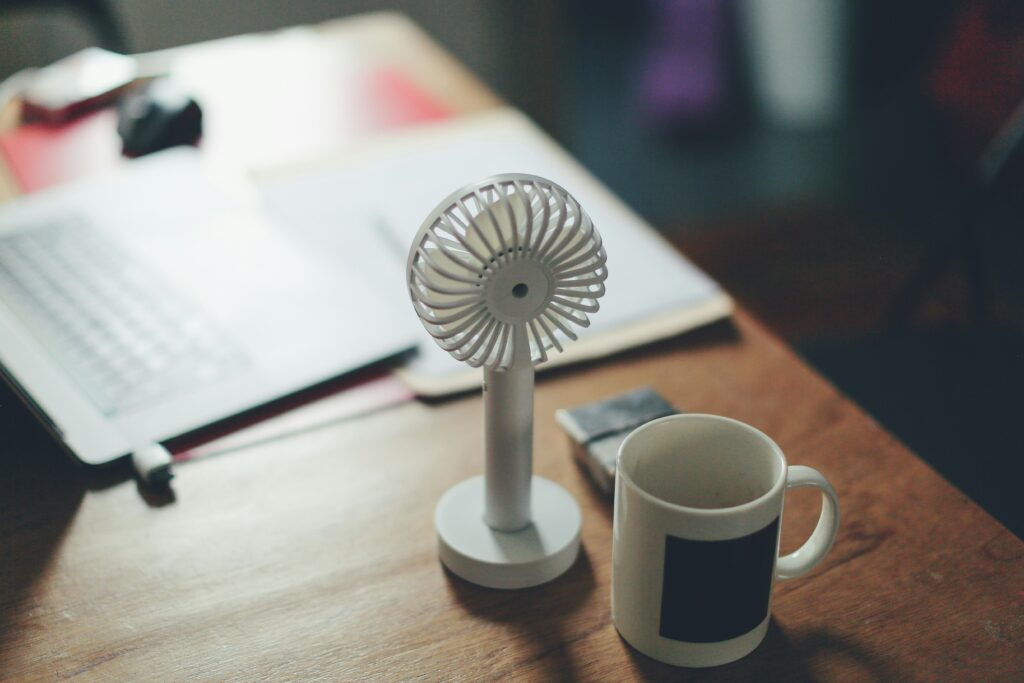
- Use fans and air con if possible
- You can fill hot water bottles with water and freeze them, to create cooling pads (but they can’t be used for hot water after this)
- Drink cold drinks regularly, such as water and fruit juice
- Plan ahead to make sure you have enough supplies, such as food, water and any medications you need
- Identify the coolest room in the house so you know where to go to keep cool
- Wear loose, cool clothing and a hat if you go outdoors
- Use plenty of suncream to protect yourself from the sun if you go outdoors
How do I know if I, or someone I care for, needs help?
If you or someone you care for, feels unwell, find somewhere cool (out of the sun) to rest. Give them plenty of fluids to drink.
If symptoms such as breathlessness, chest pain, confusion, weakness, dizziness or cramps get worse or don’t go away, seek urgent medical help.
With this guidance and tips, we hope that you find time to enjoy the sunnier, warmer weather. Don’t forget our Endocrine Nurse Helpline is available to ask any medical questions that you might have.