






Tilly Rose is a patient advocate and author of bestselling memoir ‘Be Patient’, her story of 20 years behind the hospital curtain. On her Instagram @thattillyrose she shares ‘chapters’ on the daily reality of life as a patient to her community of 100k followers.
This week Tilly Rose was awarded EURORDIS (Rare Disease Europe) social media award 2026 for her patient advocacy and work raising awareness about rare diseases.
For Rare Disease Day 2026, Tilly is sharing her story.
‘999 I think my daughter is going into adrenal crisis.’
These were the words I vaguely remember hearing my mum utter down the phone to the emergency services, as I lay collapsed on the hall floor back in 2018.
My life up until this point had very much been taken over by patient life. I had first become unwell aged 10, living with repeated pneumonias and aged 16 underwent an emergency bowel resection. I’d been deemed a ‘medical mystery’, passed from -ologist to -ologist like a hot potato. With symptoms affecting multiple systems in my body, nobody took ownership of my case and I spent years doing the rounds of medics, in desperate search for a diagnosis.
It eventually turned out I’d been living with 13 years of undiagnosed active tuberculosis, from drinking unpasteurised milk on my great aunt’s dairy farm when I was 10 years old. I was finally treated and my life completely transformed. At last, I could socialise, exercise, move away from home and do all the things that had previously been impossible.
‘The TB treatment makes me golden again.’ – Be Patient
So, when a new list of nondescript symptoms began to emerge, I didn’t want to believe it was happening again.
‘I so want to be in my golden era, I convince myself that is where I remain; but slowly my smooth, golden petals become frayed at the tips and, over time, the very core of me begins to wilt.’ – Be Patient
Each day I was plagued with leg cramps, morning nausea, flank pain, headaches, dizziness, weakness and exhaustion. Mum persuaded me it was time to book an appointment with my GP, where I shared my symptoms. The response I was met with:
‘Are you open to counselling?’
After trying to push for some blood tests and getting nowhere, I was sent a ‘Mental Health’ PowerPoint presentation which as you may predict, solved absolutely nothing. When I did eventually find myself in front of a psychologist, I tried to explain that the feeling of ‘stress’ in my body felt very physical and I couldn’t associate it with any particular thought.
‘It’s like someone repeatedly crocheting my insides and, every so often, they tug at a thread and an intense feeling of anxiety overwhelms me for no reason.’ – Be Patient
I knew this was something physical because alongside the feeling of stress and anxiety, I was suffering from so many physical symptoms. I was trying to do everything I could to help myself in line with the advice from the medics;
‘Stay motivated’, ‘go on a walk’, ‘get out of bed’
But each time I did, I’d wind up vomiting over the toilet. After all these years as a patient, I knew my body so well and I knew that something wasn’t right.
When I found myself in front of a psychologist who said she thought she had ‘cracked it’, I remember thinking ‘bring it on’, I would quite literally do anything to feel better and if someone had a solution, I wanted to hear it:
‘I think you are so used to living with illness that you’ve become trapped in this mindset…it’s time to adapt to life as a well person, Tilly,’ she said to me – Be Patient
2 weeks later I went into my first adrenal crisis. Turned out I was pretty unwell.
We’d been to an endocrinology appointment a few weeks before and my mum, who had spent her life being my medical detective, had heard the doctor mention he was testing my cortisol levels. She had, as always, spent night and day researching, so when I collapsed on the hall floor, with freezing cold hands and feet, low blood pressure, vomiting, crying in pain with my legs and flank, she immediately spotted the signs and called an ambulance.
A synacthen test in hospital later confirmed I had adrenal insufficiency/AI.

Sadly my ACTH test was lost, so it wasn’t determined whether I had primary or secondary AI. I was told the medics always find where it is coming from but none of my subsequent tests or scans shone any light on the source and is unanswered to this day. I was also told that if I took my steroid medication I should be able ‘to live a relatively normal life.’
Only that didn’t happen.
Ever since my first crisis, my Addison’s/AI has remained so unstable, with multiple emergency injections at home, ambulance admissions, hospital stays and a constant juggling act to manage my daily steroid dosing.
I’ve since learnt that medics have an expectation of what most patients need as a steroid replacement dose (I was told around 20mg) but what I have observed often isn’t taken into account, is if you have another condition constantly putting your body under pressure and requiring you to need more cortisol, then your body may require more than that baseline dose.
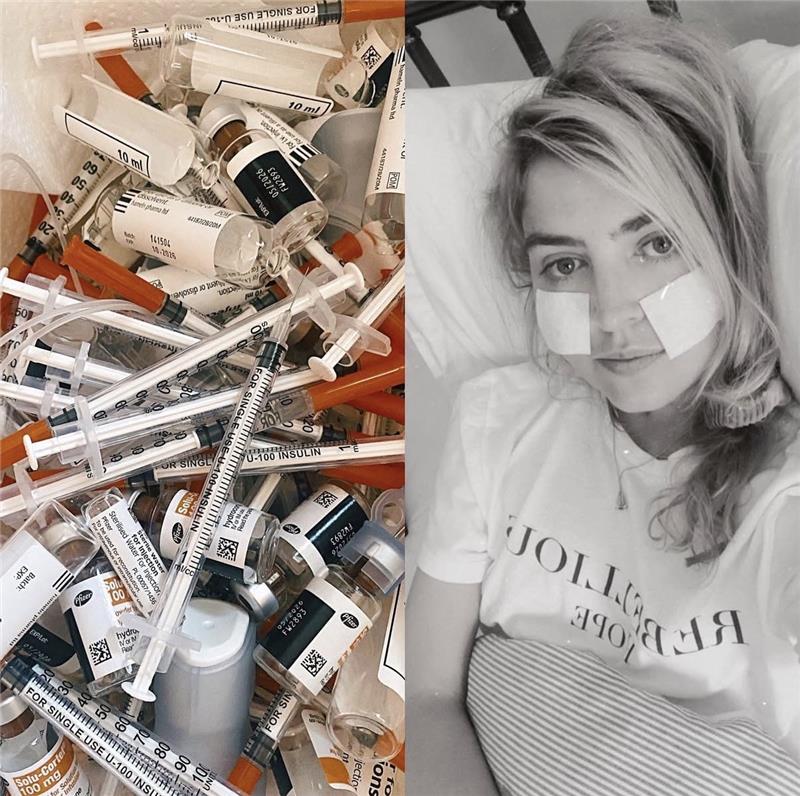
It turned out I was living with multiple vascular compressions meaning the blood vessels in my body were squashed (as a result of underlying Ehlers-Danlos Syndrome) and consequently, my Addison’s/AI was under constant pressure.
I’ve seen first-hand how as a rare condition Addison’s/AI are still not well understood by the medical community.
After my first crisis, I was discharged from the hospital with no lifesaving emergency injection, given no explanation of the sick day rule and no advice on wearing a medical alert wristband.
Given the seriousness of the condition and the fact that if untreated an adrenal crisis can lead to a coma and death, this was shocking. I ended up relying on the hugely valuable support of organisations like The Pituitary Foundation to understand more about my condition and access resources.
On too many occasions, I’ve found myself in A&E, retching, with doctors saying they’re going to discharge me as I ‘probably just have a little sickness bug’. It has been down to my mum to explain that Addison’s/AI patients cannot sick up their steroid and what they are observing is a patient in an adrenal attack, not a sickness bug.
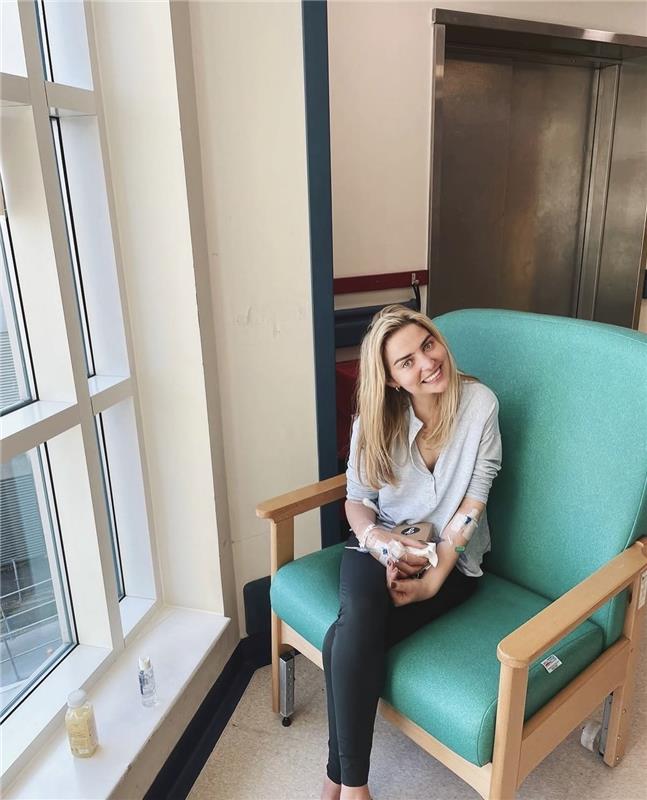
I am so incredibly lucky to have an advocate in these situations, as anyone with Addison’s/AI will know when you begin to descend into low cortisol, you can become very out of it and actually appear drunk. You aren’t always in a position to advocate for yourself.
Part 2 of my memoir ‘Be Patient’, about my 20 years behind the hospital curtain, details my journey to being diagnosed and is part of my mission to raise awareness about Addison’s and AI, as well as the broader challenges faced by the rare, zebra community.
I have become a zebra with far too many stripes and I’m now determined to use my platforms to change the path for others.
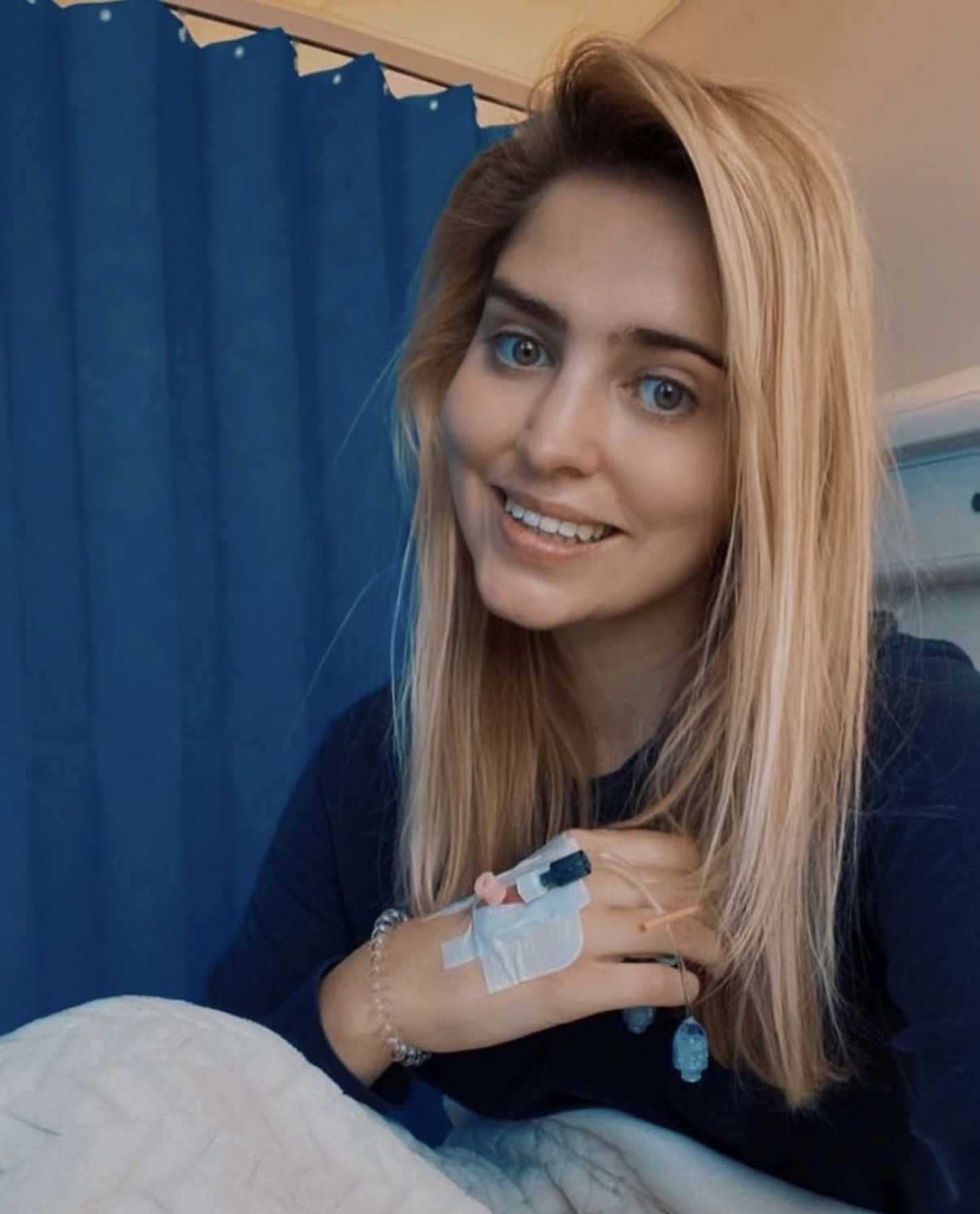

Tilly Rose's memoir 'Be Patient, life behind the hospital curtain' is available in hardback, paperback, e-book and audio-book.
Order Tilly Rose's Memoir Here!Have you found this helpful?
If so, please support us to bring useful information to more people affected by pituitary conditions.