



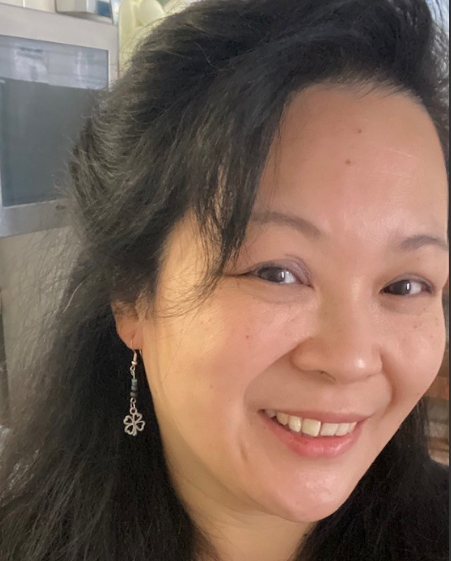
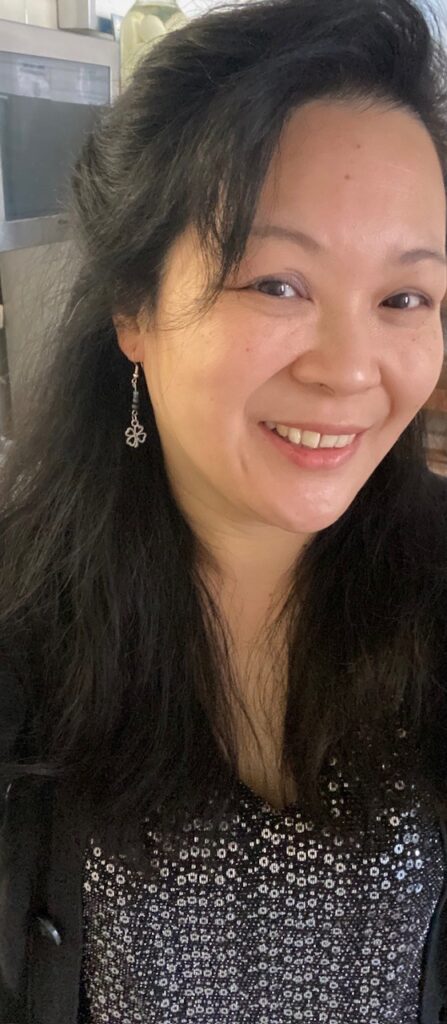
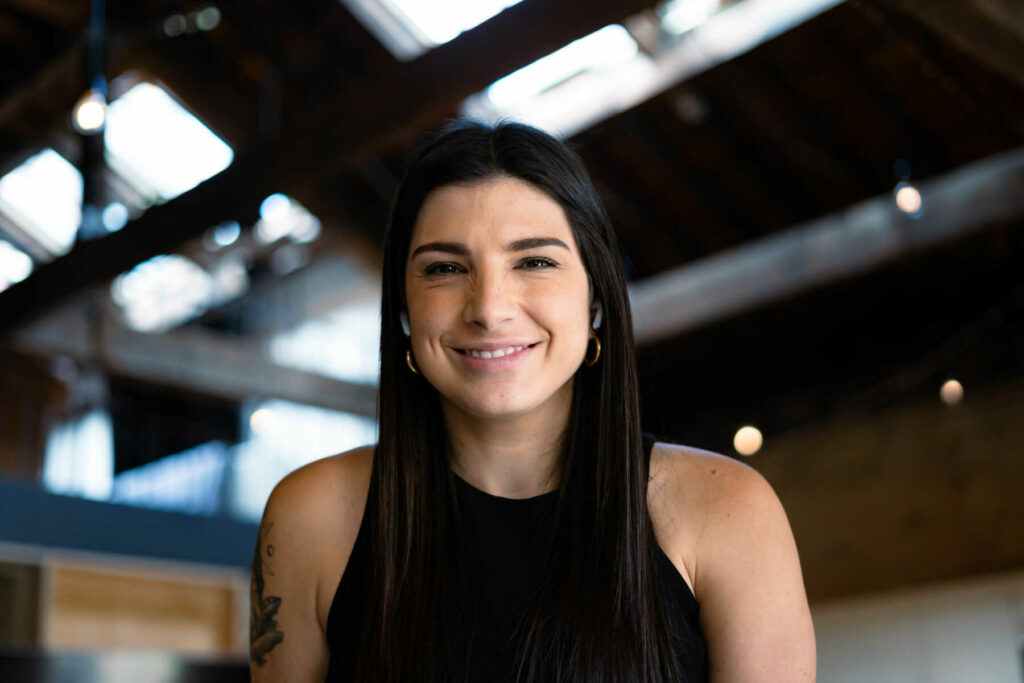
As we get ready to launch our new support group in North Wiltshire, we hear from the new support group leader Helen about her pituitary journey so far.
Helen’s story
I have always assumed I endured the same amount of discomfort as any other teen growing up, so when my symptoms of headaches and fatigue presented, I reasoned my lack of energy on packing too much into my day and opted for early nights.
When puberty hit, these symptoms were still there, but mostly overshadowed by more extreme period cramps and abdominal pain, which would come and go in waves. Some days were better than others, but I justified all was the norm and quietly got on with life.
For me, the very idea in seeking medical help was not a forthcoming option. Teenage embarrassment paired with conservatism within my asian culture, meant we scarcely talk about how we felt.
Eventually, when I finally plucked up the courage to see my GP, he concluded everything was down to ‘puberty and transitioning into an adult’. He asked me to return if my problems continued to persist. Months on, I revisited and left with the oral pill in hand. These were advised and prescribed to control all the symptoms in premenstrual syndrome or PMS.
It would be years on, when I returned and mentioned my breasts were continually tender and occasionally, lactating. Again, citing problems around severe PMS, I was sent home. My next medical encounter would be around five years on, as I hoped to start my own family.
In the first instance, I was directed to come off the Pill. I was told my period would return within the first couple of months, and when they did not, my doctor and I were concerned.
This was where my deeper medical investigations actually begun. Frequent trips to the surgery, followed by ongoing hospital appointments started. Eventually, a blood test revealed high prolactin levels, confirming Prolactinoma.
Numerous visual field tests and a MRI confirmed a pituitary macroadenoma, and soon after, an ultrasound revealed a 10cm rugby ball sized cyst on one of my ovaries. All these revelations, surfacing at the same time, literally broke me, but the doctors suggesting I may never have my own family, hurt me most.
This part of my life was exceptionally difficult, both physically and mentally. The uncertainty in how my body would respond to, and cope with treatment for my macroadenoma, paired with the urgent need to remove my ovarian cyst, filled me with dread and left me helpless. I was told, even if I made a full recovery from the operation, there was no guarantee I would ovulate and be well enough to create a family of my own.
Older now and reflecting on my past struggles, I feel so grateful for all the scientific advances around fertility and pituitary conditions. Without this expert knowledge, perhaps I would not be here to share my personal journey. This Autumn, I published my own book where I talk openly about my suppressed feelings. This has become one of my most significant times in my life, as I have come to recognise the power in healing, is actually in conversing, or at least, to have an option in ‘talking things through.’
I believe, no one should struggle alone, and by coming together we can support one another.
Fundamentally, this is why I reached out to The Pituitary Foundation. Furthermore, recognising the limited support in my local area, prompted me to take action.
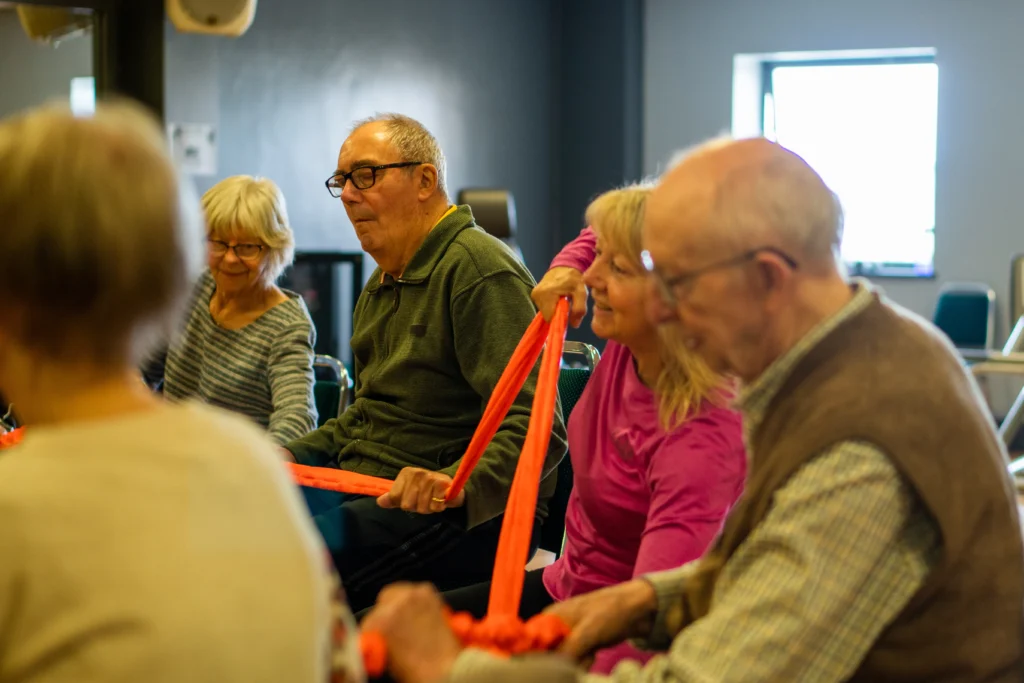
In November 2025, The North Wiltshire Support Group was established. Meeting four times a year, we sit alongside the other Support Groups in UK. Here, I hope to encourage people suffering with pituitary conditions, their carers, loved ones and extended family, to attend our safe space meetings. The objective is clear – It is to hear, support, and to direct help to those people who may need it, in an open and friendly, judgment-free environment. I believe, no one should struggle alone, and by coming together we can support one another.
For me, decades on, I have learned to live with Prolactinoma, a microadenoma, and am blessed with a healthy loving daughter and beautiful souled son.
I remain thankful for what I have and continue to live life with optimism.
Have you found this helpful?
If so, please support us to bring useful information to more people affected by pituitary conditions.